Mosquito larvicide and phragmites control by drone in Canada
Four biological larvicides (VectoBac 200G, VectoBac 1200L, VectoLex CG and VectoBac FG+) name drones on their Canadian labels. Ottawa and Winnipeg have used drones on stormwater ponds; every water body still needs a provincial permit and an aerial pesticide licence.
Updated
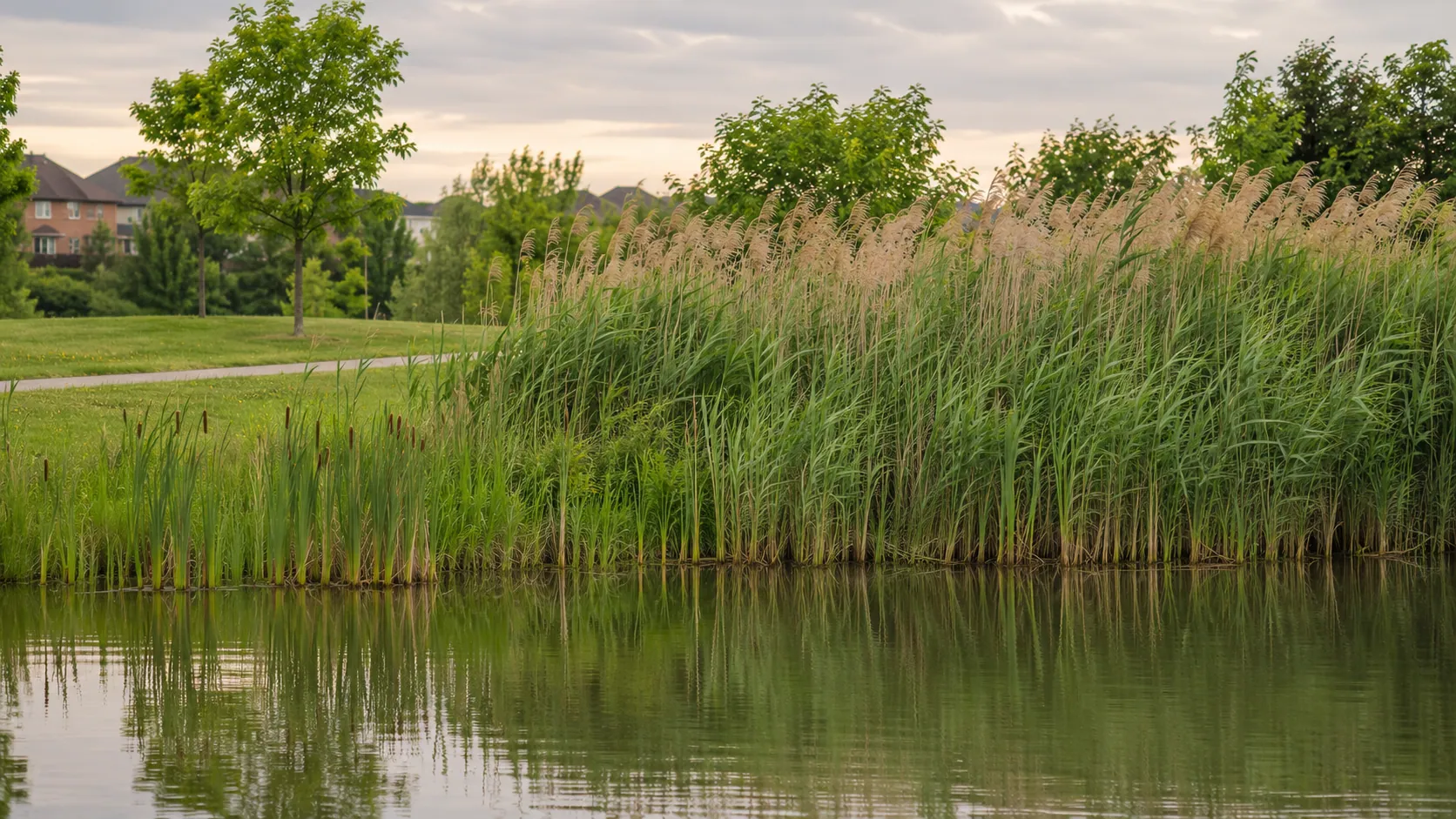
Standing water is hard to reach
Mosquito larvae develop in stormwater ponds, marshes, ditches and flooded woodland, much of it soft, overgrown or fenced. Crews on foot can't reach the middle of a pond, and helicopters are costly and loud near homes. Invasive phragmites grows in the same wet places, often in standing water no machine can enter.
Treat the water from the shore
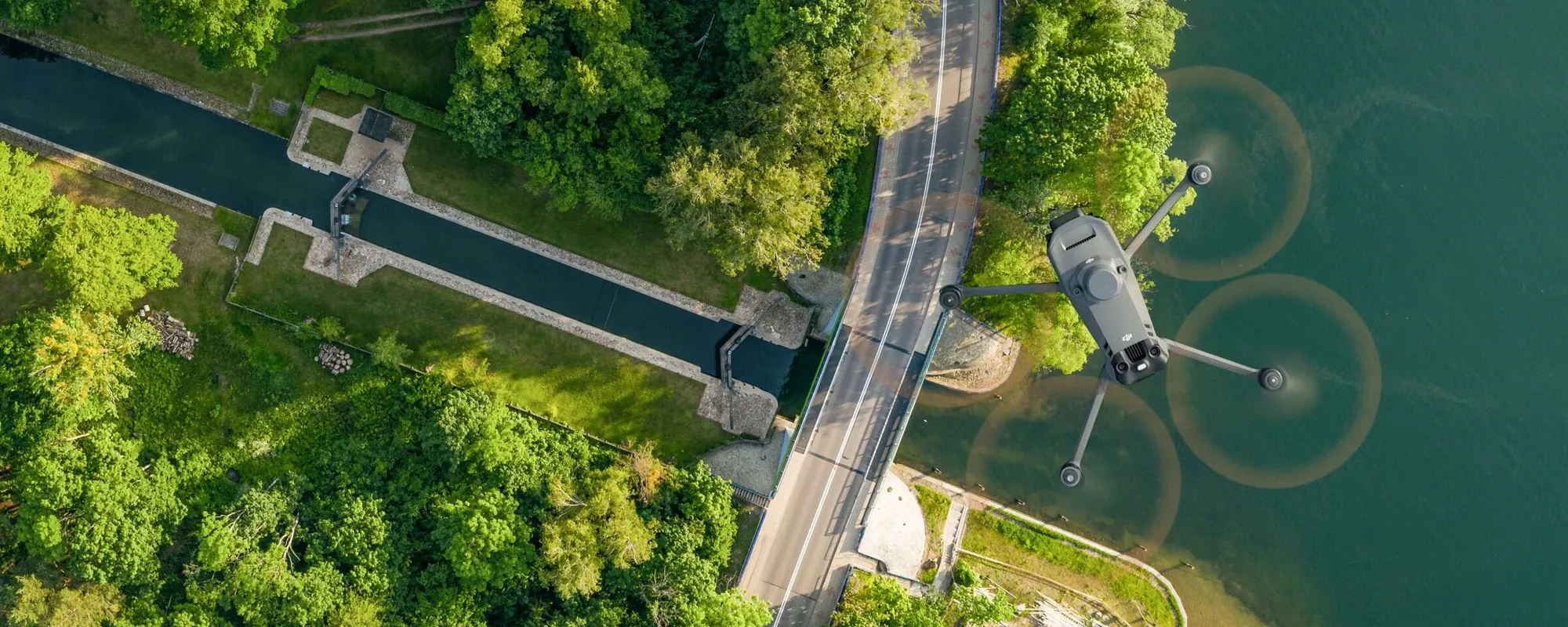
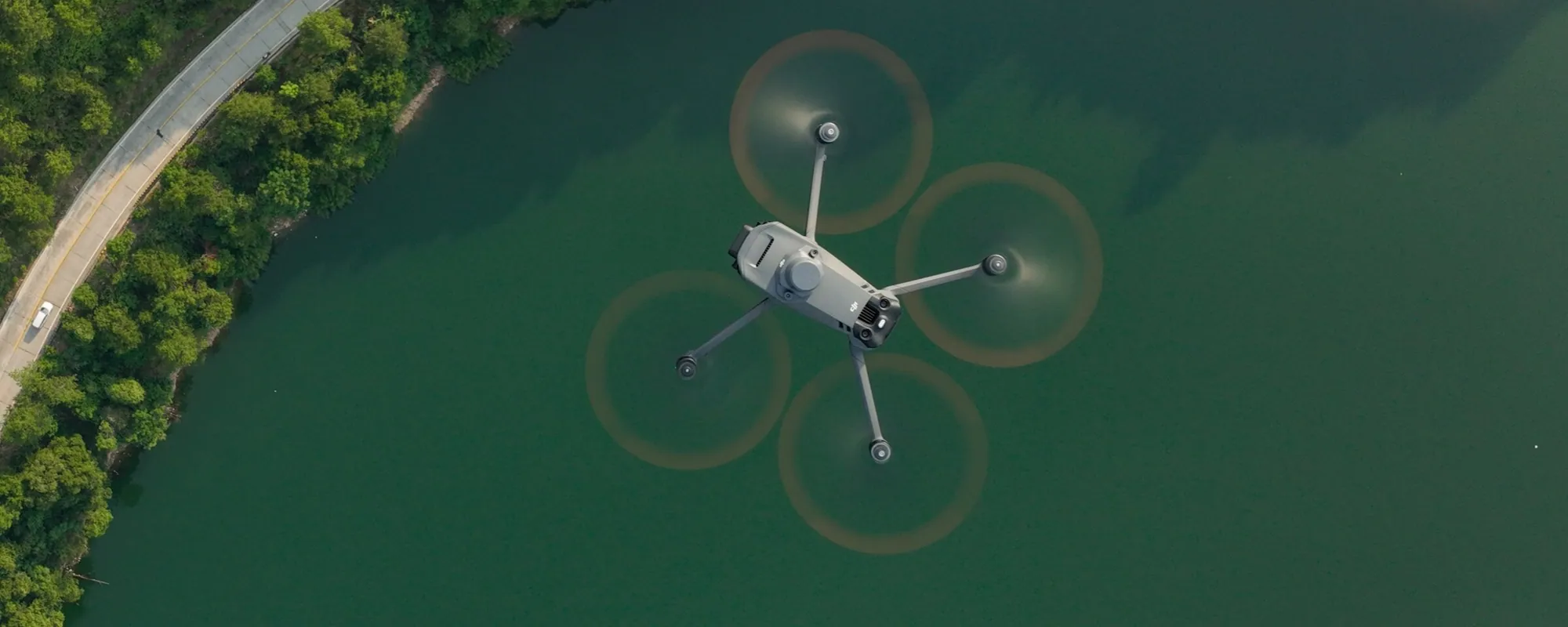
A drone such as the Agras T50 spreads granular larvicide or sprays a liquid over the water while the crew stays on the bank. A Mavic 3 Multispectral maps ponds, wet areas and phragmites stands first, so treatment goes only where it's needed and the result can be checked next year.
Reach is easier; permits come first
Expect better reach and less disturbance. Expect paperwork too: every water body needs a provincial permit and an aerial licence, the product label must allow the use, and wind can cancel a day's work. Public health units and municipalities usually hire licensed contractors for this.
Which mosquito larvicides can be applied by drone
Health Canada first allowed biological mosquito larvicides to be applied by drone in fall 2022. These labels name drones (RPAS):
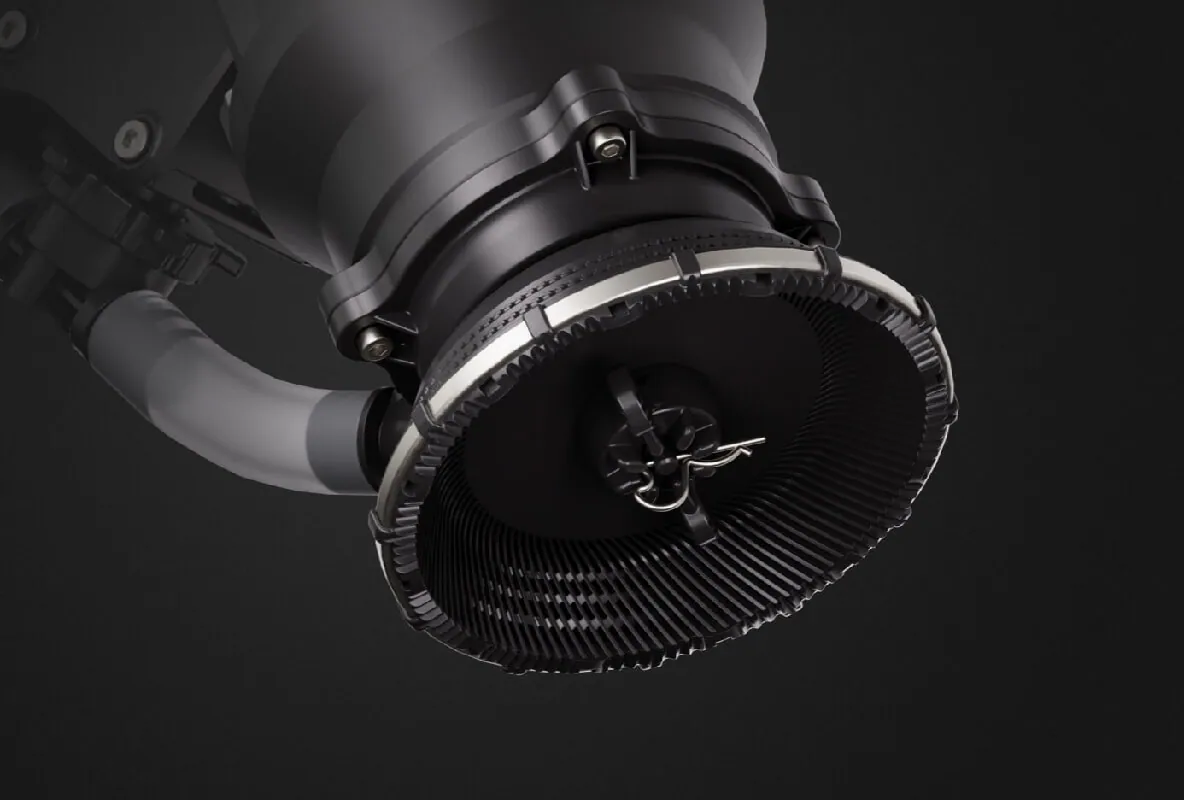
| Product | Registration no. | Form |
|---|---|---|
| VectoBac 200G | 18158 | Granular (Bti) |
| VectoBac 1200L | 21062 | Liquid (Bti) |
| VectoLex CG | 28008 | Granular (Lsph) |
| VectoBac FG+ | 34734 | Granular (Bti) |
Under Health Canada's 2026 drone policy, a product whose label has an aerial use can generally be applied by drone unless it says DO NOT apply by RPAS, but water is a restricted use that needs a provincial permit. Québec's notice says only labels that mention RPAS may be applied by drone there. Always check the current label.
How Canadian cities have used drones
- Ottawa, 2024: Ottawa Public Health's contractor used drones on stormwater ponds and other places crews couldn't reach on foot; the larger drones covered about a 6 m radius per pass.
- Winnipeg, 2023 and 2024: a pilot project treated standing water on six golf courses by drone, and the 2024 public notice listed drone applications of VectoBac 200G and 1200L from June 3 to September 30.
- Québec, 2021: about 1,000 ha were treated by drone under a research authorization.
Permits and licences
| Province | What the work needs |
|---|---|
| Ontario | A provincial permit for each water body, an aerial pesticide licence, and the extra rules for restricted products (Pesticides Act, s. 7(2)) |
| Québec | A C1 or D1 permit for the business, a CD1 certificate for the applicator, a Transport Canada pilot certificate, and the minister's authorization for water that drains to a watercourse |
| Other provinces | Start with the provincial pesticide licensing office |
Larviciding runs from snowmelt pools in April and May through the West Nile virus season, June to September.
Invasive phragmites
In September 2022, researchers treated phragmites in two provincially significant coastal wetlands on Lake Erie, Rondeau Provincial Park and Baie du Doré, by drone under a Health Canada research authorization. They applied Habitat Aqua (imazapyr) at 4.68 L/ha in 100 L/ha of water, flying 3 m high in winds under 8 km/h. A year later, live stems were down by more than 99%. Another invasive plant moved into some treated areas, so follow-up matters.
Habitat Aqua is the only product registered for phragmites in standing water in Canada, and its label now names drones. Ontario contractors began offering commercial drone treatment in 2026. Spraying runs from late July to mid-October, after flowering and before the plants die back, and needs the same water permit and aerial or aquatic vegetation licence.
Rights-of-way
Garlon XRT was the first industrial vegetation product whose label includes drones (2024), for utility rights-of-way, pipelines and well sites, not farmland. Hydro-Québec tendered drone herbicide work on transmission corridors in 2025.
Who does this work
Public health units, municipalities, conservation authorities and golf courses, almost always through licensed contractors. We supply the Agras T50 and Mavic 3 Multispectral, help with calibration on granular products, and can assess a site.
Common questions
Yes, for larviciding standing water, with a product whose label allows it, a provincial water permit and an aerial licence. Ottawa and Winnipeg have both used drones on stormwater ponds and golf courses.
Four labels name drones: VectoBac 200G, VectoBac 1200L, VectoLex CG and VectoBac FG+. Check the current label before any job, and in Québec use only labels that mention RPAS.
Not without the paperwork. Treating a water body needs a provincial permit and a licensed applicator, and the product must be labelled for it. Talk to your municipality or a licensed contractor.
From snowmelt pools in April and May through the West Nile virus season, June to September, depending on the province and the local program.
Yes. An Ontario trial in 2022 cut live phragmites stems by more than 99% a year after a drone application of Habitat Aqua. It needs a water permit, the right licence and follow-up for other invasive plants.
Yes. A Mavic 3 Multispectral maps stands and ponds before treatment and shows the result the next season. See crop scouting and mapping.
More Applications
Multispectral drones for crop scouting and mapping
A multispectral drone maps crop health with light bands the eye can't see, so you can find where a field differs, compare dates and build prescription maps. The map shows where to look; a ground check tells you why.
Greenhouse shading by drone: putting on and washing off roof coatings
A spray drone can put shading compound on greenhouse glass roofs in spring and spray the remover in late summer, with no one on the roof. It leaves droplets rather than an even film, and must stay 500 ft from people not on the job.
Crop dusting in Canada: airplanes, drones and what has changed
Crop dusting still happens: aerial applicators fly airplanes over Canadian farms every season, mostly for fungicide and insecticide. A spray drone can take over small, wet or obstructed fields; big open acres in a short window still favour an airplane.
Want to see a drone do this job on your farm?
Tell us the crop, the job and your timing. Demonstrations use clean water and show the flight, refill and crew workflow.
Book a demo