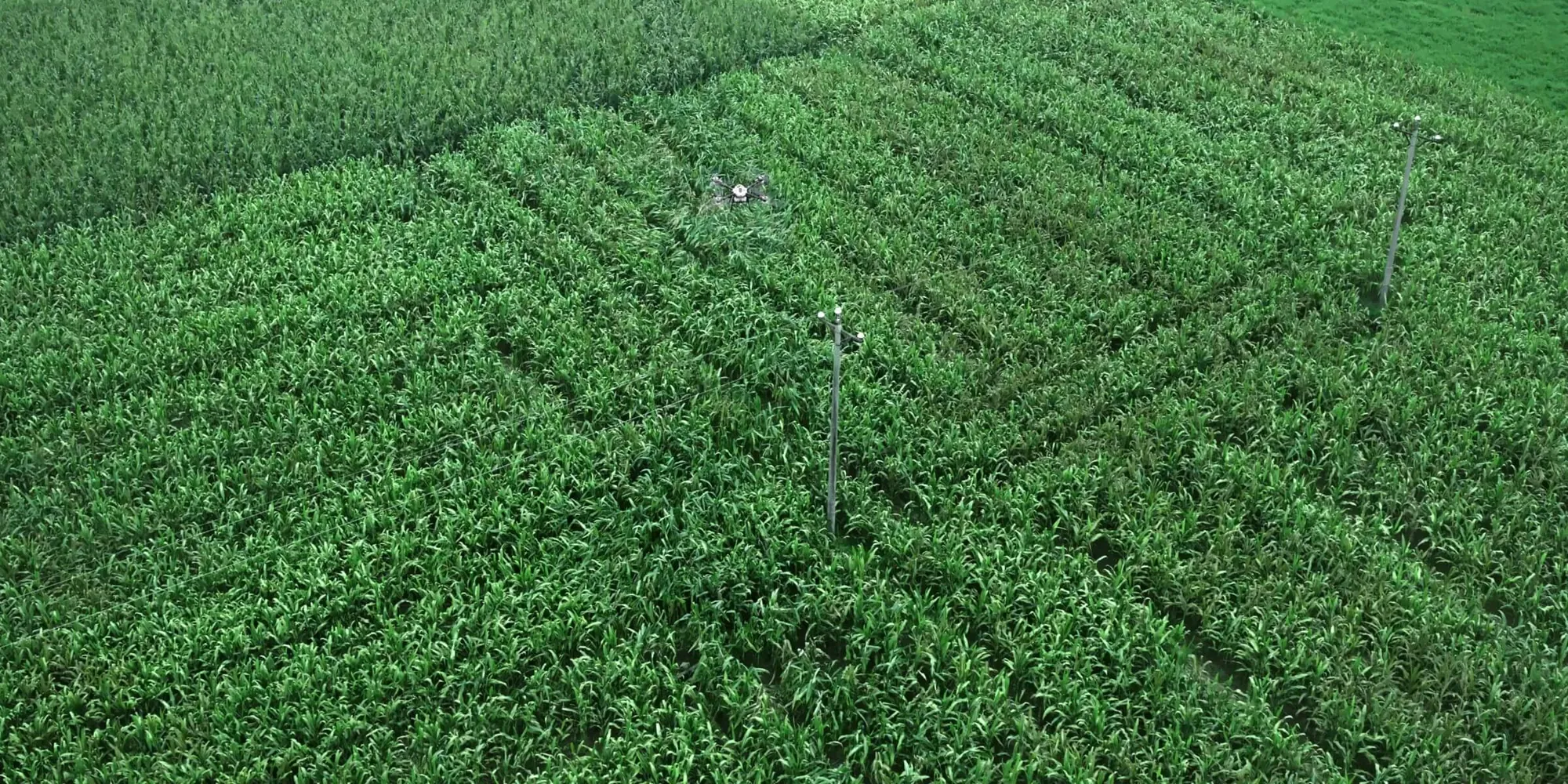
Drone spraying regulations
in Canada (2026)
Three sets of rules apply to every spraying job: Transport Canada for the flight, Health Canada for the product, and your province for the applicator.
The three layers of rules
| Layer | Who | What it controls |
|---|---|---|
| The flight | Transport Canada | Pilot certificate, drone registration and declaration, distance from people, airspace, the 150 kg SFOC line |
| The product | Health Canada (Pest Management Regulatory Agency) | Which products may be applied by drone, the rate, water volume and buffer zones on the label |
| The applicator | Your province | Applicator licences, permits for sensitive sites, insurance and records |
Buying a drone or holding a pilot certificate doesn't cover the product or provincial rules. Drones follow the same aerial labels as airplanes and helicopters; see crop dusting and drones.
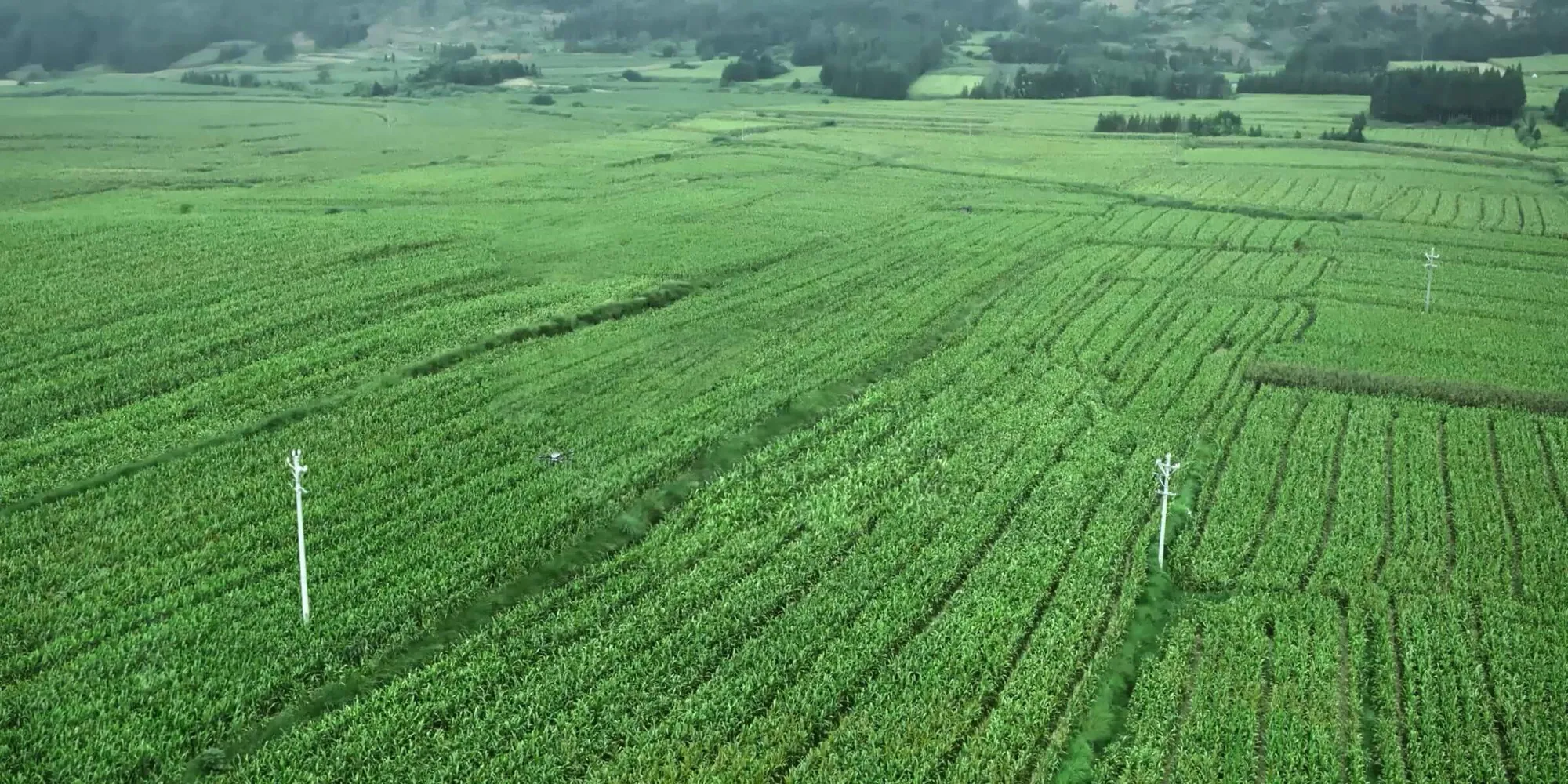
Transport Canada: the flight
- A loaded Agras T50 weighs 25–150 kg, so it is a medium drone; a T100 is too, unless a full load takes it past 150 kg. Every medium-drone operation needs a pilot with an Advanced certificate, a registered drone and a safety assurance declaration for the operation.
- Flying more than 500 ft (152.4 m) from anyone not involved needs a declaration; closer than that needs a pre-validated declaration.
- Above 150 kg operating weight you need a Special Flight Operations Certificate (SFOC). Operating weight includes the battery, attachments and the product. A fully loaded T100 can pass 150 kg; a T50 stays well under.
- You must fly within visual line of sight. Controlled airspace needs permission from NAV CANADA (air traffic control).
- Slung loads may be carried only as the system's manual describes, or under an SFOC. See the FlyCart 100.
See the drone licence guide for the certificates.
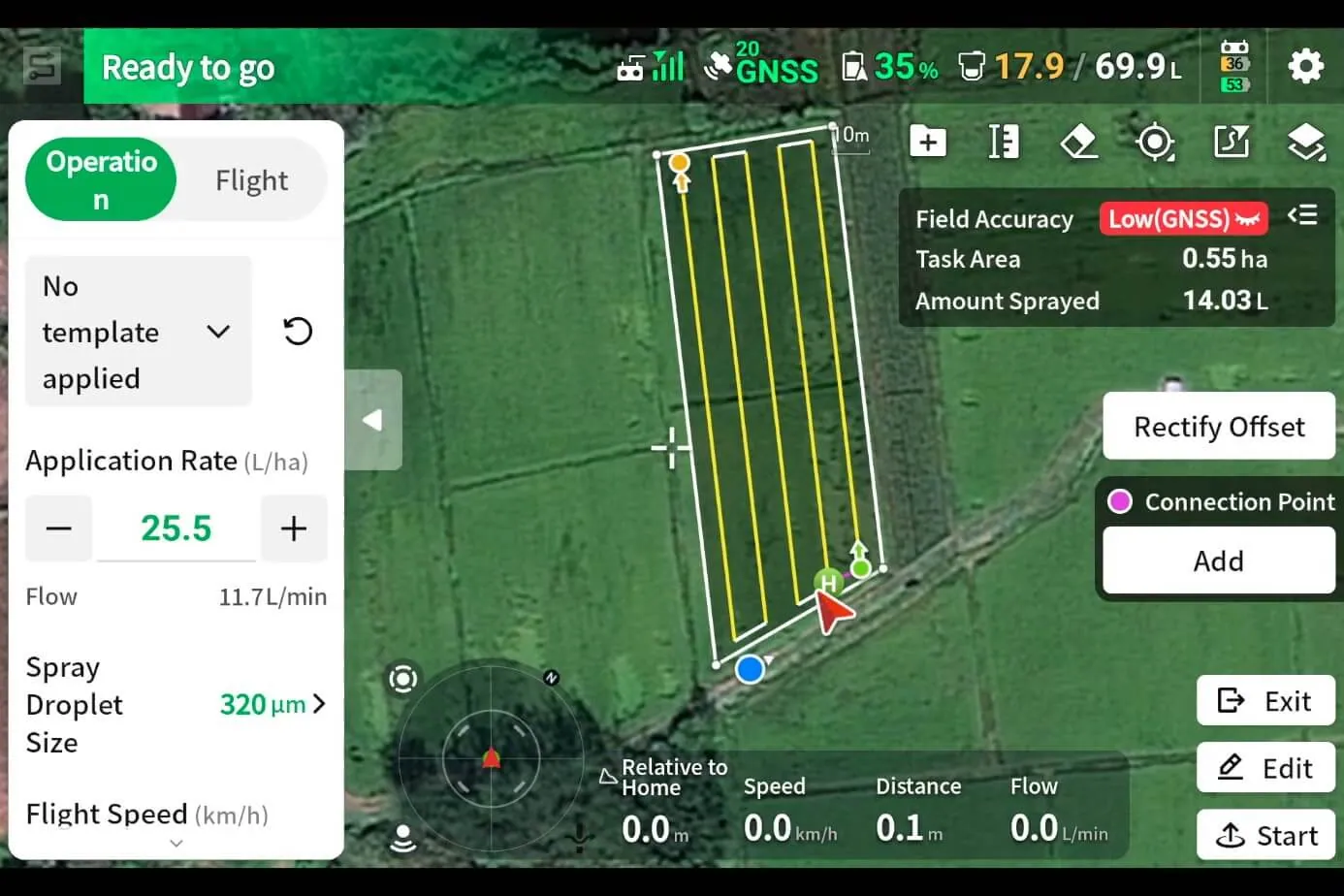
Health Canada: the product label
- A product may be applied by drone if it is registered for aerial application, unless the label says DO NOT apply by RPAS (RPAS is the regulators' word for a drone).
- The water volume may not go below the label's aerial minimum (often 45–50 L/ha for field-crop fungicides), and the label's helicopter (rotary-wing) buffer zones apply.
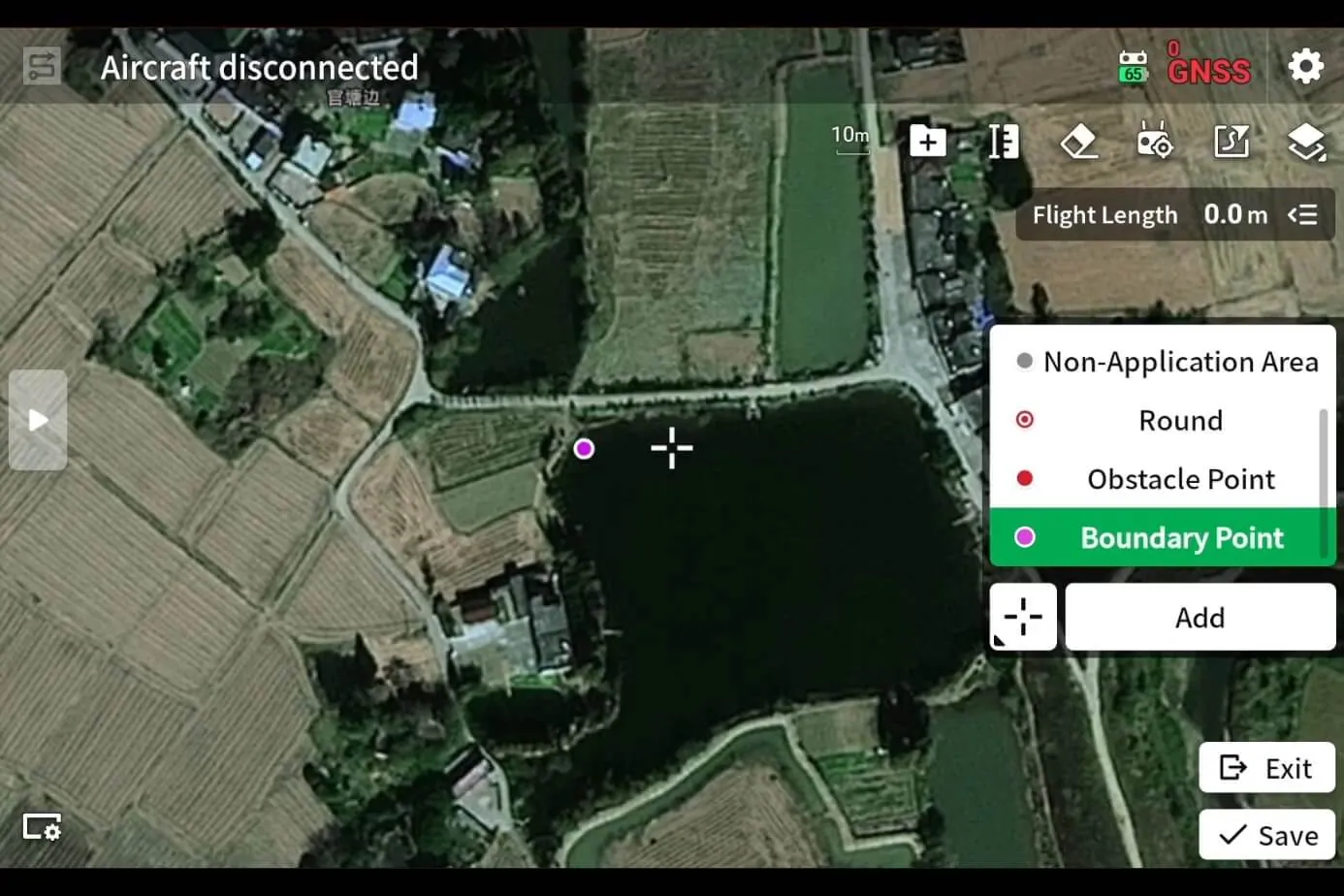
- Forests, residential areas and water bodies are restricted uses that need provincial permission as well.
- Check candidates with the Sprayers101 Canadian spray drone label search, then read the label itself on the PMRA label registry.
- Health Canada's guidance: using remotely piloted aircraft to apply pesticides.
Provincial rules
| Province | What applies to drone spraying |
|---|---|
| Ontario | Aerial pesticide application needs the aerial class exterminator licence (O. Reg. 63/09, s. 73); water bodies need a permit; aerial businesses carry at least $150,000 of drift liability insurance. An October 2026 proposal would let current aerial licence holders spray by drone and add a drone licence and a farmer exemption; check the Environmental Registry of Ontario (ERO 026-1061) for its status. |
| Québec | The business needs a C1 or D1 permit and the applicator a CD1 certificate. Water bodies draining to a watercourse, forests, and non-agricultural uses need ministerial authorization. From March 1, 2027, renewing a certificate requires passing the new aerial exam. Québec's notice allows drone application only for labels that mention RPAS. |
| Saskatchewan | Since January 2026 there is an RPAS licence category for commercial applicators, with one-year terms, drift liability insurance and GPS flight records. Producers applying on their own land are exempt from the commercial licence but must follow the label. (Release) |
| Other provinces | Start with your province's pesticide licensing office and confirm the aerial licence, permits and insurance before booking a job. |
Work on or near water, such as mosquito larviciding or phragmites control, needs a provincial permit as well as the aerial licence; see mosquito larvicide and phragmites.
Before every spraying job
- Check the label: aerial use, no RPAS exclusion, the water volume and buffer zones.
- Check the licence: Advanced pilot certificate, declared drone, provincial aerial licence.
- Check the site: people, water, hydro lines, neighbours and airspace.
- Check the weight: battery, attachments and product under 150 kg, or an SFOC.
- Keep records: product, rate, field, date, weather and flight logs.
Want a second pair of eyes on a job? Ask about a job assessment.
Frequently asked questions
Is drone spraying legal in Canada?
Yes, for products registered for aerial application whose labels don't exclude drones, flown by a pilot with the right Transport Canada certificate and applied by someone holding the provincial licence.
When do I need an SFOC for a spray drone?
When the drone's operating weight, including battery, attachments and product, is over 150 kg, or for operations outside the standard categories. A fully loaded T100 can pass 150 kg; a T50 stays well under.
Do I need a pesticide licence to spray by drone?
For commercial work, yes, in every province. Some provinces exempt farmers applying on their own land; Saskatchewan does, and Ontario has proposed it. Check with your province.
Which pesticides can be applied by drone in Canada?
Products registered for aerial application, unless the label says DO NOT apply by RPAS. Look them up in the Sprayers101 label search, then confirm on the label.
How far from people must a spray drone stay?
For a medium drone, more than 500 ft (152.4 m) from anyone not involved with a standard declaration. Closer operations need a pre-validated declaration.
Do I need permission to spray near water or a forest?
Yes. Water bodies, forests and residential areas are restricted uses that need provincial authorization in addition to the label.
Ask about a spraying job
Tell us the crop, product, province and site. A person replies.
Tell us about your farm and the job
Your name and email are enough to start. A person from our Toronto team replies.