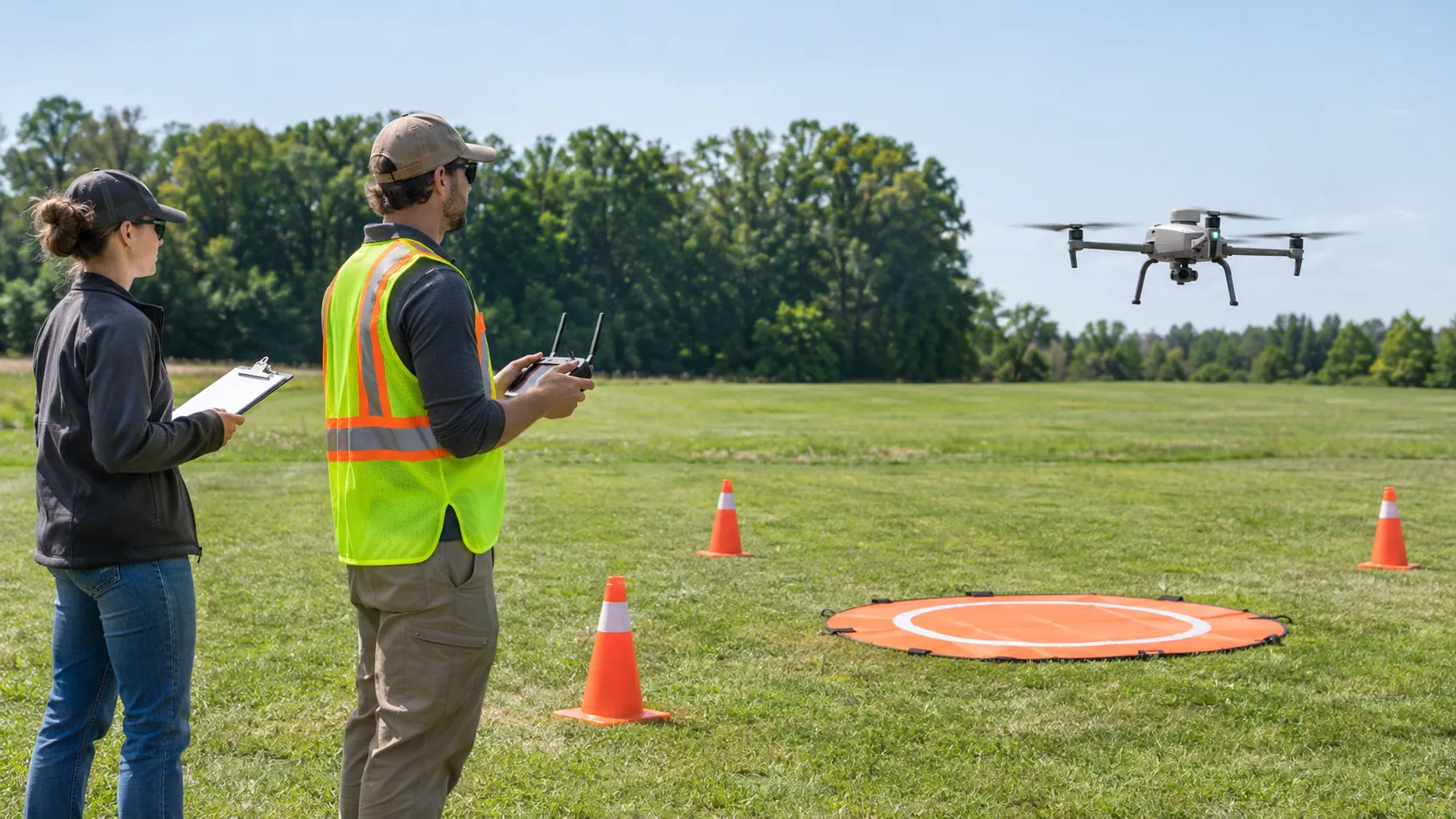
Drone flight review
how it works, and a field to practise
The in-person test for the Transport Canada Advanced pilot certificate: what to do first, what the reviewer checks, and a field you can use to practise and take it.
How the flight review works
| Step | What happens |
|---|---|
| 1. Pass the Advanced exam | Online, through Transport Canada's Drone Management Portal; see the drone licence guide. The reviewer checks that you passed. |
| 2. Find a reviewer | Reviewers are pilots approved by Transport Canada and attached to a drone flight school. Transport Canada publishes the list of schools; each sets its own fee. |
| 3. Take the review | In person, flying a registered drone, at a site that suits the review. |
| 4. Get your result | The reviewer enters it within 24 hours, and you receive an email pointing you to the portal. |
| 5. Apply for the certificate | Pay the certificate fee in the portal. You must apply within 12 months of passing the review. |
If you don't pass, you can take the review again after 24 hours. You must be at least 16 to hold an Advanced certificate.
What to bring
- A copy of your passed Advanced exam results.
- Government-issued photo ID.
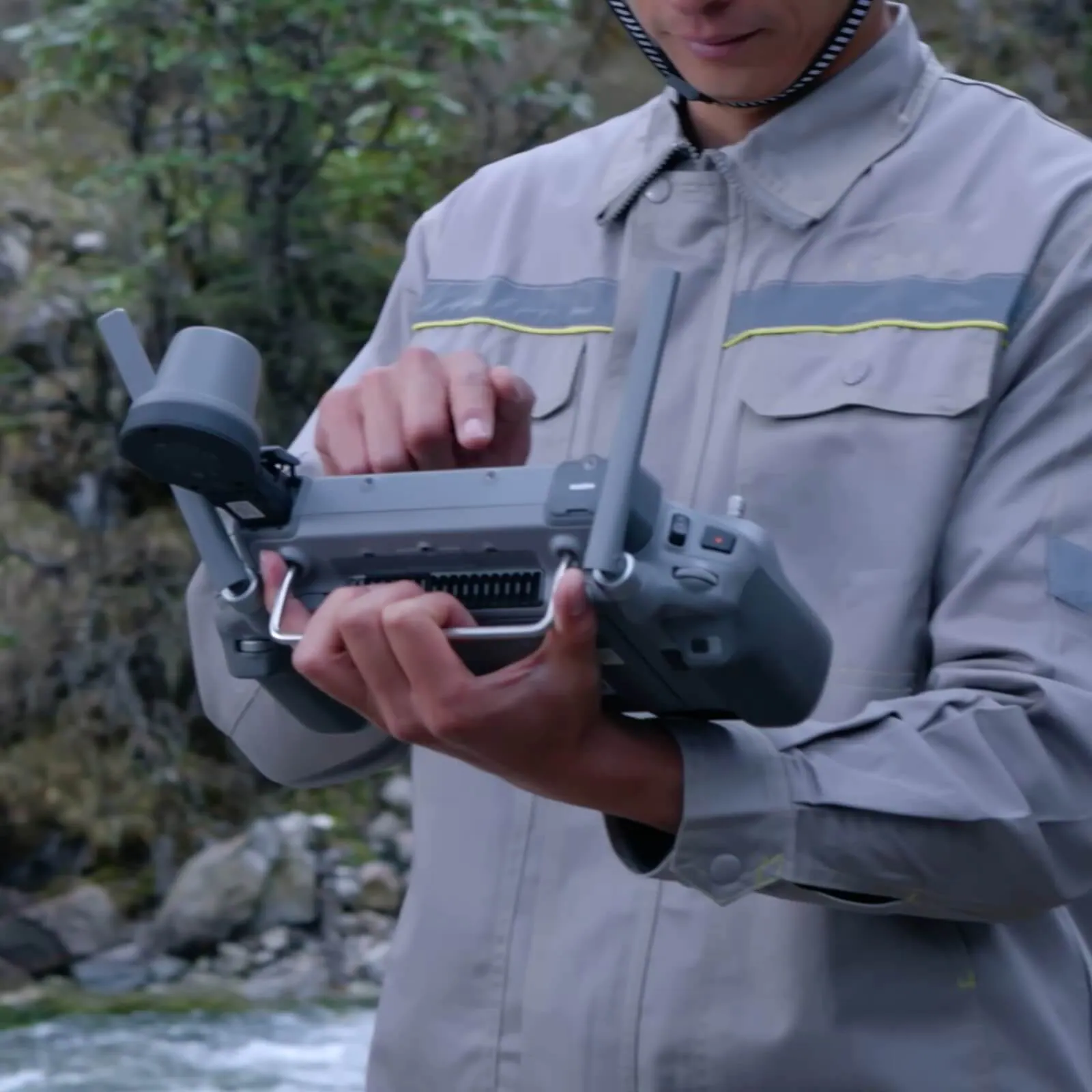
- The drone you'll fly and its registration certificate. A registered small drone without a safety declaration can be used for the review.
- Your procedures: pre-flight checklist, normal and emergency checklists, and your site survey.
What the reviewer checks
Transport Canada's flight review standard lists what you'll be asked to show:
- Describe your site survey and plan the operation.
- Describe emergency, lost-link and fly-away procedures.
- Explain how you'd report an incident to Transport Canada and the Transportation Safety Board.
- Run your pre-flight checks.
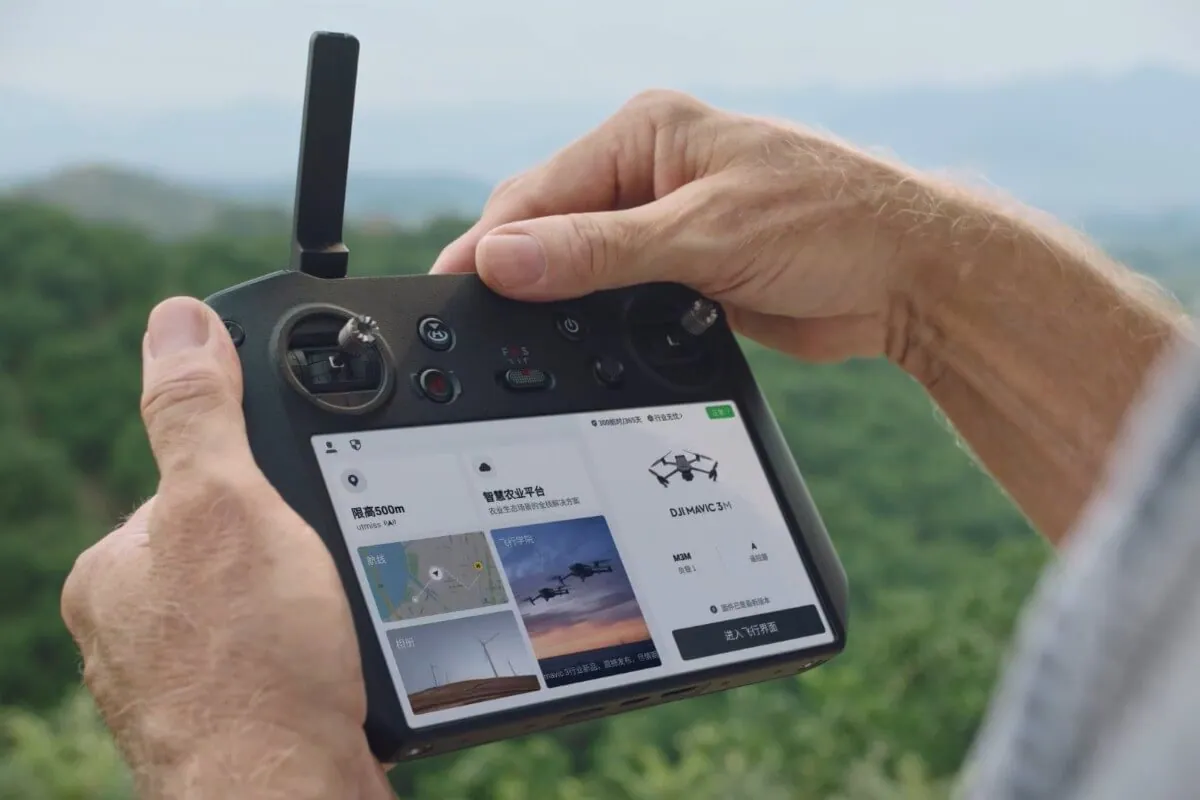
- Take off, navigate visually and by the controller screen (ground station) alone, judge distances, and land.
If your drone is declared for particular advanced operations, the review also uses them.
Source: Transport Canada, complete a flight review for drones.
A field to practise on and take your review
We can provide a field for practice and for the review itself. We don't conduct flight reviews: a reviewer approved by Transport Canada, from a drone flight school, does. A good review site has:
- open ground, away from buildings, roads and bystanders;
- uncontrolled airspace, or permission to fly there;
- a clear take-off and landing spot.
Tell us whether you already have a reviewer booked when you ask for field time.
Before the day, practise what the reviewer will watch:
- Your checklists, out loud. Pre-flight, normal and emergency; reviewers want to hear the reasoning.
- A site survey on paper. Obstacles, people, airspace, a place to land if something goes wrong.
- Hover and box patterns at different headings, so orientation never surprises you.
- Flying on the screen only, using the ground station's map and telemetry.
- Judging distance: how far is 30 m, 100 m, 500 ft?
- Lost-link and return-to-home: know exactly what your drone does and when.
After the certificate: flying a spray drone
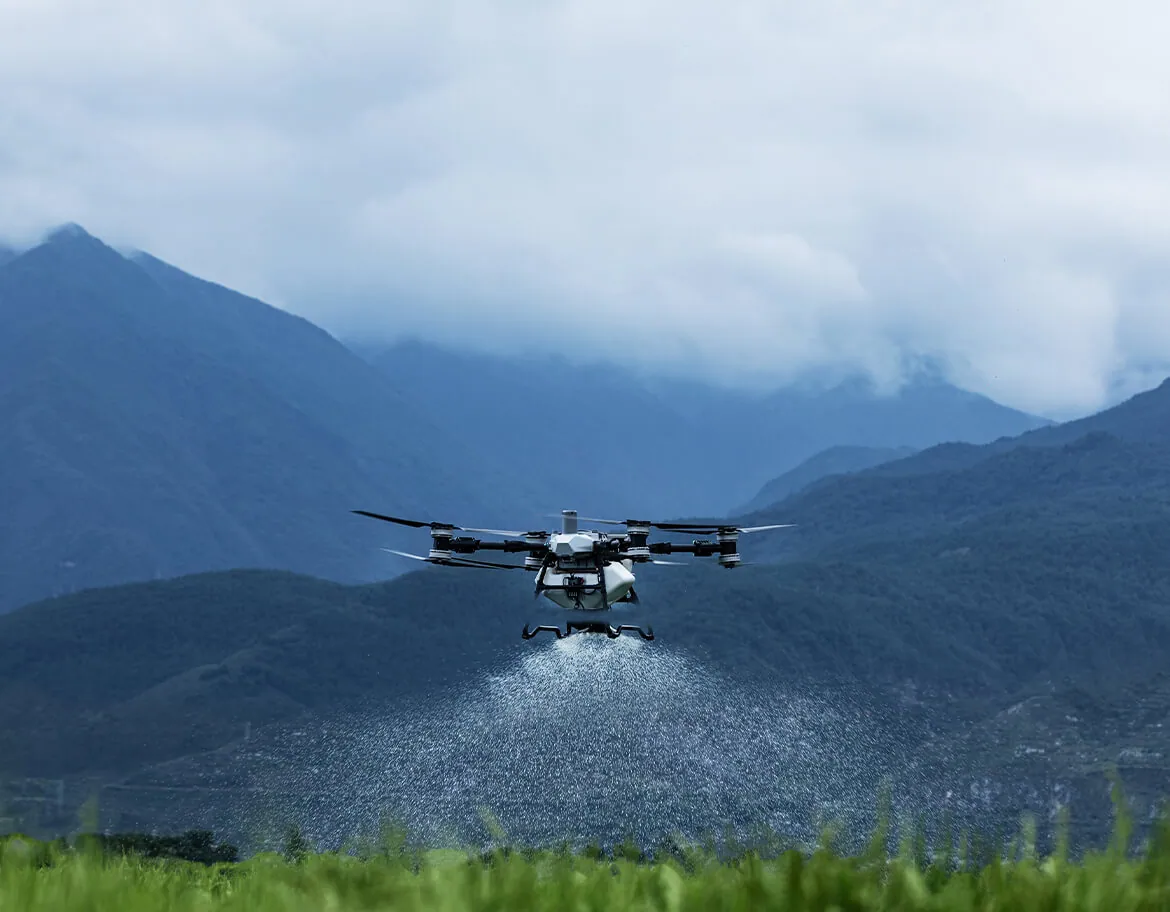
The Advanced certificate also covers medium drones (25–150 kg), such as a loaded Agras, with no separate flight review. The requirement moves to the drone: it needs a safety assurance declaration for the operation. With a standard declaration, a medium drone flies more than 500 ft (152.4 m) from people not involved; closer work needs a pre-validated declaration.
To stay current, you need a qualifying activity, such as a flight review, an exam or recurrent training, within the previous 24 months. Next steps: Agras training and drone spraying regulations. Want to fly farm jobs once you're certified? See the partner program.
Frequently asked questions
What is a drone flight review?
The in-person practical test for the Transport Canada Advanced pilot certificate. After passing the online Advanced exam, you fly a registered drone for a Transport Canada-approved reviewer, who checks your procedures and flying.
How do I book a drone flight review?
Pick a reviewer through one of the drone flight schools on Transport Canada's list; each sets its own fee and dates. We can provide a field for practice and for the review.
What do I need to bring to a drone flight review?
Your passed Advanced exam results, government photo ID, the registered drone you'll fly with its registration certificate, and your checklists and site survey.
How soon after the exam do I need to do the flight review?
Transport Canada sets no deadline between the exam and the review, but you must apply for the certificate within 12 months of passing the review.
What happens if I fail the flight review?
You can take it again after 24 hours. Ask the reviewer which items to practise.
Do I need a separate flight review to fly an Agras?
No. The Advanced certificate covers medium drones up to 150 kg; the drone needs a safety assurance declaration for the operation. See Agras training.
Can I practise at your field before my review?
Yes. We can provide a field for practice and for the review itself. Tell us which drone you fly and whether you have a reviewer booked.
Book field time
Tell us whether you've passed the Advanced exam, which drone you fly and whether you have a reviewer booked.
Tell us about your flight review
Your name and email are enough to start. A person from our Toronto team replies.