Cover crop seeding with drones
A drone with a spreading system can broadcast clover, cereal rye or ryegrass into standing corn, soybeans or winter wheat before harvest. Establishment depends on moisture; one T50 load covers about 5 ha (12 acres) of clover at 10 kg/ha.
Updated
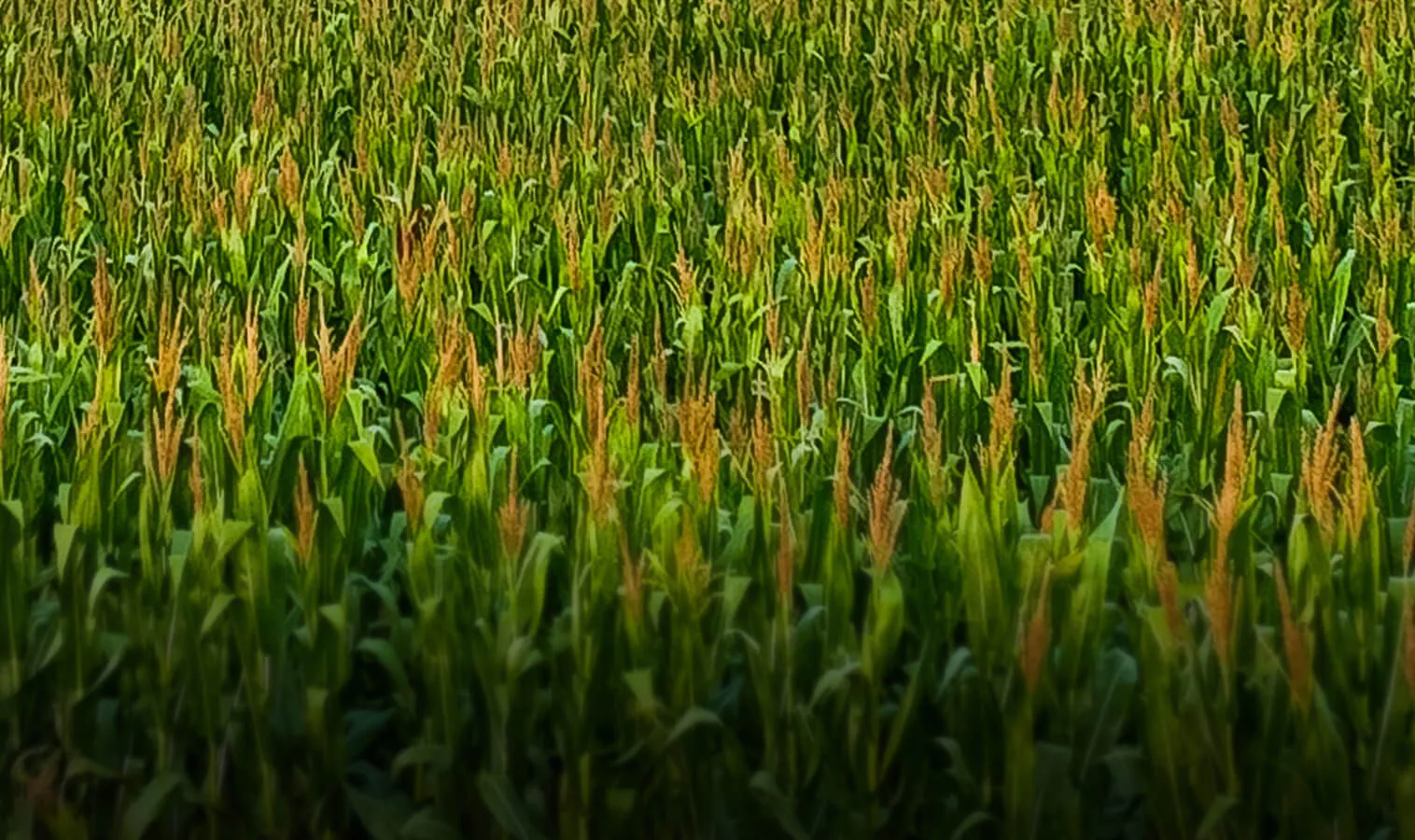
The window closes before harvest does
A cover crop seeded after harvest often has too little fall left to establish, especially after corn. Getting seed on earlier means going into a standing crop, where a drill can't follow and a high-clearance rig is slow or not available.
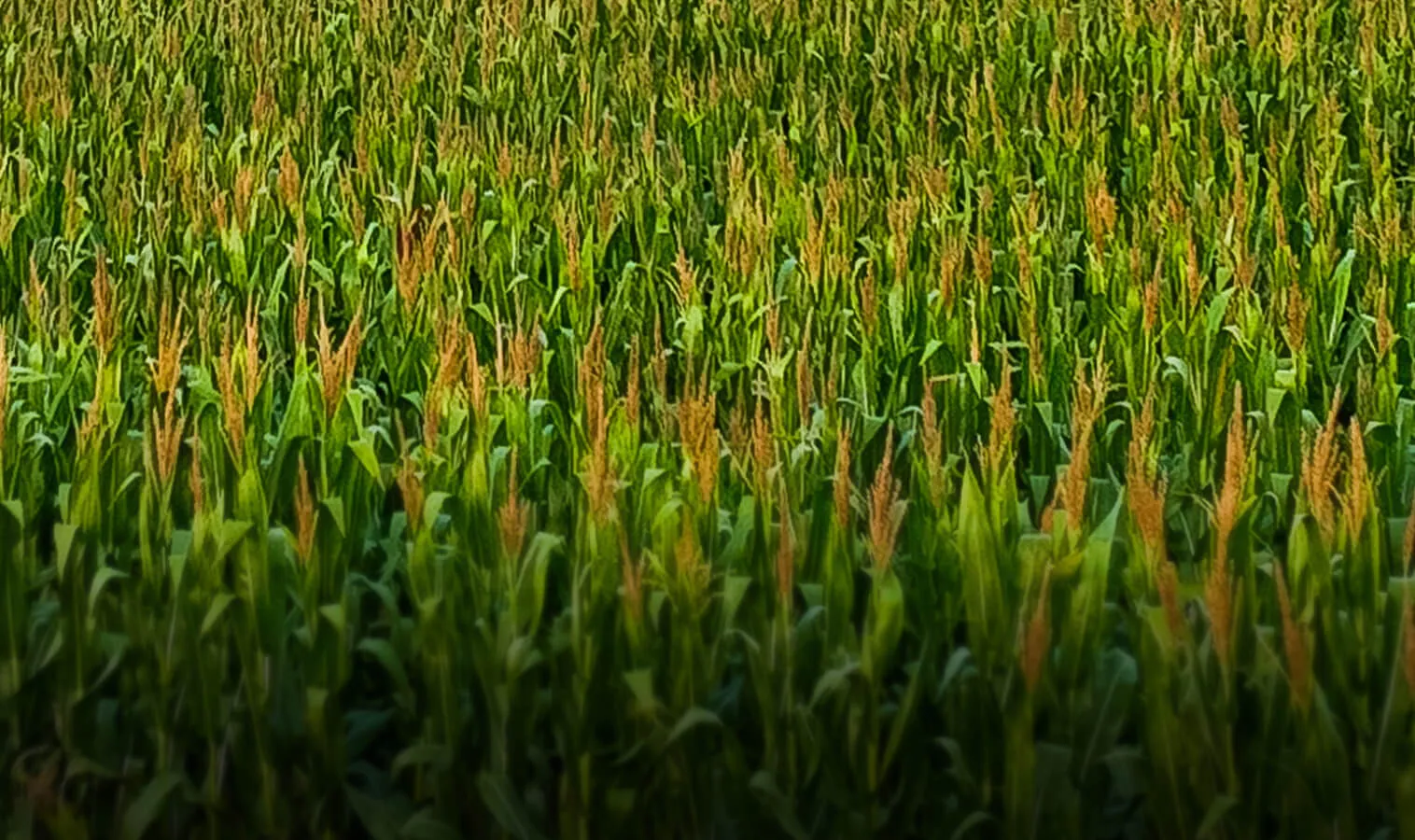
Broadcast into the standing crop
A drone with a spreading system, such as the Agras T50 with its 75 L hopper, broadcasts seed over the canopy without touching the crop: clover into winter wheat in early spring, cereal rye or ryegrass into corn and soybeans before harvest.
Earlier cover, patchier stands than a drill
In Ontario's Living Lab trials, drone-seeded rye at one corn site was further ahead before winter and had more biomass at spring termination than the other methods, but stands were patchier than drilled seed. Seed-to-soil contact and moisture decide the result.
What the Canadian trials found
- Ontario Living Lab (OMAFA and OSCIA). Replicated trials across 12 sites, split equally between corn and soybeans, all seeded with an Agras T50. At one corn site, drone-seeded rye was more advanced before winter and produced more biomass by spring termination; establishment was patchier than drilling. (Better Farming report)
- Québec, Montérégie (MAPAQ, June 2026). Clover interseeded into fall-seeded cereals emerged fairly evenly and helped growers seed when wet ground kept equipment out. Cereal rye into standing grain corn was more variable: target rates were 60–80 kg/ha, some sites needed two passes, and canopy interception and dry conditions made establishment less certain. (MAPAQ field note)
- Alberta (Medicine Hat College). Forage seed broadcast into standing silage corn with an Agras T40, tracked with multispectral imaging, soil sensors and weekly scouting. (Project summary)
- Ontario field record. SpeedyDrone has documented clover broadcast into standing winter wheat in Ontario.
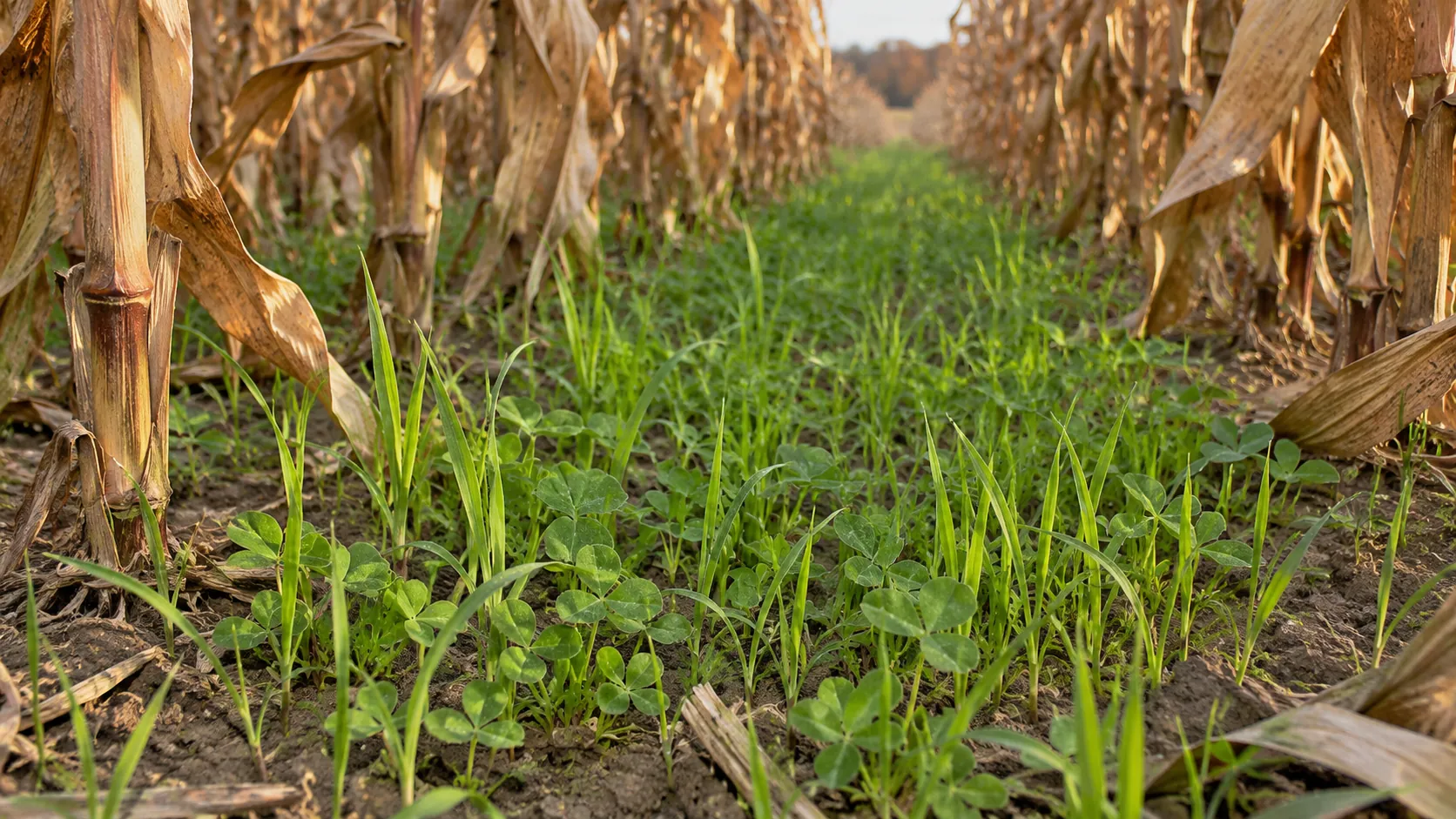
When to seed
| Cover crop | Into | Timing | Watch for |
|---|---|---|---|
| Red clover | Winter wheat | Early spring frost seeding, while freeze–thaw cycles work seed into the soil | Seed sitting on dry residue |
| Cereal rye | Standing corn | Late season, before harvest | Canopy catching seed; dry soil |
| Cereal rye or ryegrass | Soybeans | Around leaf yellowing, before leaf drop | Leaves covering seed help moisture |
| Forage mixes | Silage corn | During the season, as in the Alberta work | Shade and competition |
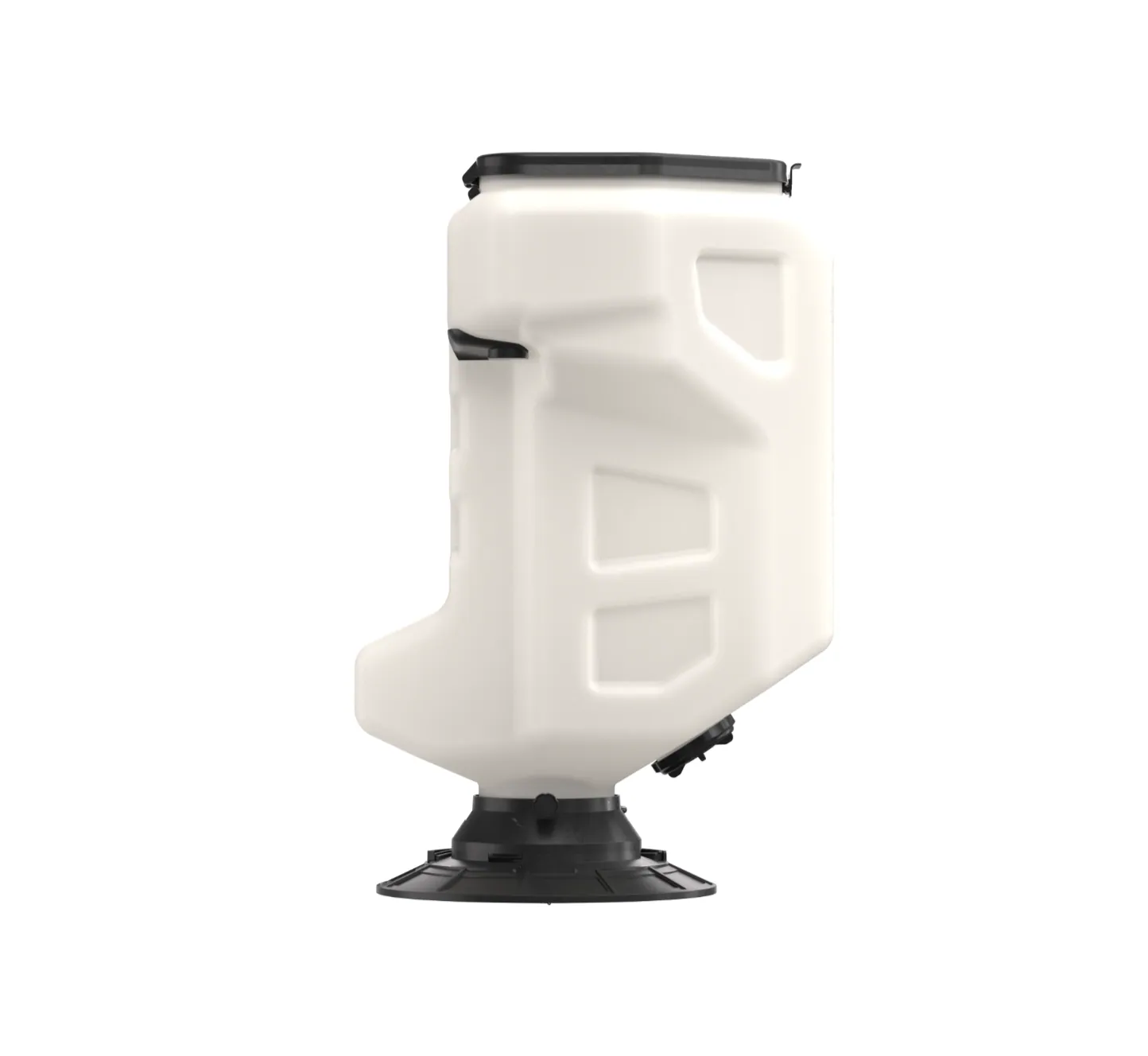
Seed rate and area per load
Area per load is load weight divided by seed rate. Rates below are examples from the trials or common practice; set yours with your seed supplier or adviser.
| Seed rate | T50 (50 kg load) | T100 (75 kg, stays under 150 kg) |
|---|---|---|
| 10 kg/ha (clover, about 9 lb/ac) | 5 ha (12 ac) | 7.5 ha (18.5 ac) |
| 25 kg/ha (about 22 lb/ac) | 2 ha (5 ac) | 3 ha (7.4 ac) |
| 70 kg/ha (cereal rye, about 62 lb/ac, as in Québec) | 0.7 ha (1.7 ac) | 1.1 ha (2.7 ac) |
Heavy seeds like rye fill the load fast, so a larger hopper (the Agras T100) or more refills matter more for rye than for clover.
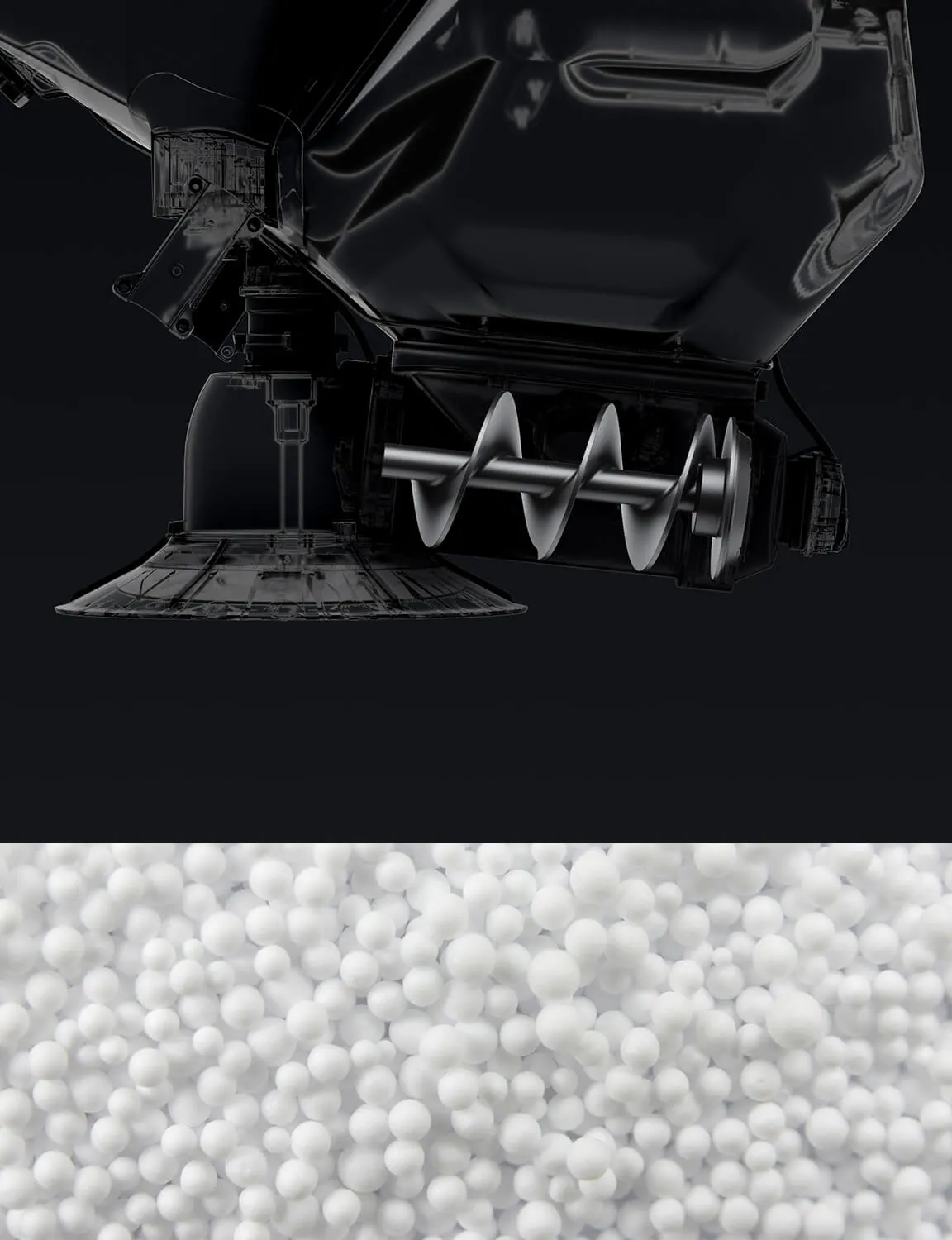
Calibrate before you fly the field
Calibration is the most expensive thing to get wrong: an untested setup can put down double the target rate across the first fields. Before production:
- Check the seed fits the spreader (0.5–5 mm for the T50; the T100 has augers from 0.5 to 10 mm) and flows freely; coated seed and chaffy mixes behave differently.
- Run a ground calibration with a scale and the actual seed lot.
- Fly a test strip over catch trays to check the rate and the spread pattern.
- Re-check when you change seed lot or mix, or when humidity changes a lot.
Rules
Untreated seed needs no pesticide licence, but seed treated with a pesticide carries its own label directions: check them before broadcasting treated seed onto the surface. The drone and pilot rules still apply: a loaded T50 is a medium drone that needs an Advanced pilot certificate and a declared model. See the regulations guide.
Ready to plan a trial? Talk to us about the seed, field and timing, or read about granular fertilizer spreading.
Common questions
Yes. A drone with a spreading system broadcasts seed over a standing crop: clover into winter wheat, cereal rye or ryegrass into corn and soybeans. Ontario and Québec trials have tested it with Agras drones.
It varies with moisture and seed-to-soil contact. Ontario trials saw earlier growth at one corn site but patchier stands than drilling; Québec saw even clover stands in cereals and more variable rye in corn.
Set it with your seed supplier or adviser for the species and field. Québec trials used 60–80 kg/ha of cereal rye, and some sites needed two passes. Calibrate with your actual seed lot.
In early spring, while freeze–thaw cycles can work the seed into the soil of a winter wheat field. Drones help when the ground is too soft for equipment. Thin pasture is frost seeded the same way; see pasture seeding.
Divide the load by the rate. A T50's 50 kg load covers about 5 ha at 10 kg/ha of clover, but only about 0.7 ha at 70 kg/ha of rye.
Check the seed treatment's label and the seed tag first. A pesticide on the seed brings its own label directions, and broadcasting treated seed onto the surface may not be allowed.
We fly contract seeding jobs after a job assessment. Send the crop, cover species, acres and timing. See drone spraying and seeding services.
More Applications
Pasture seeding by drone: frost seeding clover into thin pasture
Frost seeding broadcasts clover onto thin pasture in March and April and lets freeze and thaw work the seed into the soil. A drone does it when the ground is too soft or steep for a spinner; one 50 kg T50 load covers about 12 acres at 9 lb per acre.
Fertilizer drones: spreading granular fertilizer by drone
A fertilizer drone spreads granular fertilizer on wet, soft or irregular fields and patches a ground spreader can't reach. At 100 kg/ha one T50 load covers about 0.5 ha (1.2 acres), so it is a precision tool, not a replacement for bulk spreading.
Spray drones for Canadian field crops
A spray drone makes sense when wet ground, tall crops or a short fungicide window keep your sprayer out. At a typical 50 L/ha label rate one T50 tank covers about 0.8 ha (2 acres), so it suits patches and timing gaps, not whole farms.
Want to see a drone do this job on your farm?
Tell us the crop, the job and your timing. Demonstrations use clean water and show the flight, refill and crew workflow.
Book a demo