Spray drone training
for DJI Agras pilots
From the Transport Canada certificate to calibration: what Agras pilots need to learn, and the training we offer with an Agras purchase.
The three things a spray drone pilot needs
| Step | What it covers | Where |
|---|---|---|
| 1. Transport Canada Advanced pilot certificate | Flying a medium drone legally: exam and flight review | Drone licence guide; we can provide the field for your flight review |
| 2. Provincial aerial pesticide licence | Applying pesticides from the air | Your province's pesticide licensing office (rules by province); Saskatchewan Polytechnic announced a drone (RPAS) pesticide applicator course for 2026 |
| 3. Agras operator training | Setting up, calibrating, planning routes and maintaining the drone | With your own drone, at handover, on your field or ours |
You need all three before a commercial spraying job. Farmers spraying their own land may have different provincial rules, so check with your province.
What Agras training covers
- Setup: assembling the aircraft, firmware, linking the controller, and setting up RTK (centimetre-accurate positioning) or a relay.
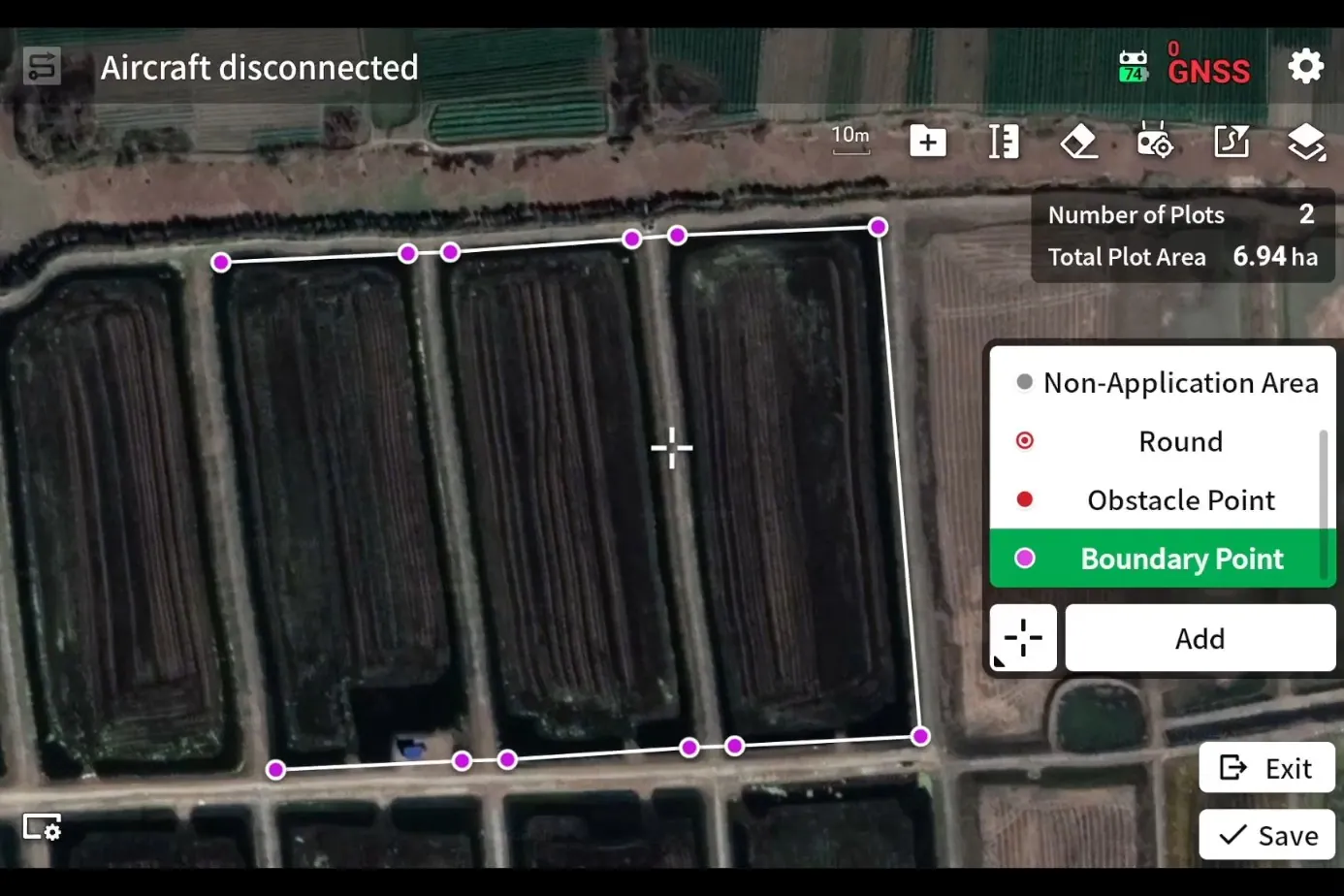
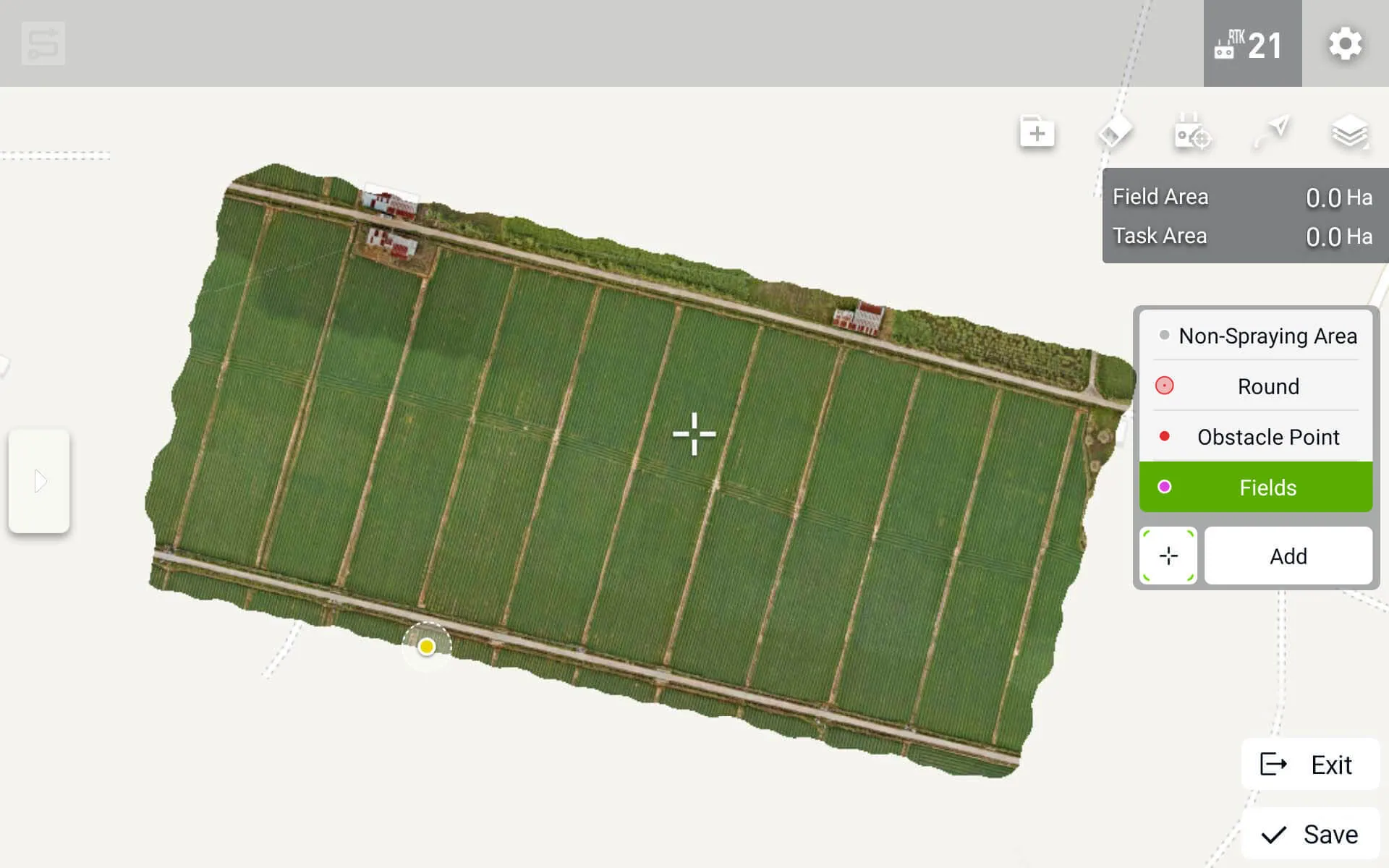
- Field mapping and routes: boundaries, obstacles and no-spray areas in the DJI Agras app; route spacing and margins.
- Calibration: flow calibration for spraying; ground and catch-tray calibration for spreading, with your own seed or fertilizer.
- Spray quality: droplet size, swath width narrower than the maximum, water-sensitive paper checks.
- Batteries and charging: rotation, cooling and the power your charger needs. See the field kit guide.
- Safety: pre-flight checks, wind limits, buffer zones, emergency landing and return-to-home.
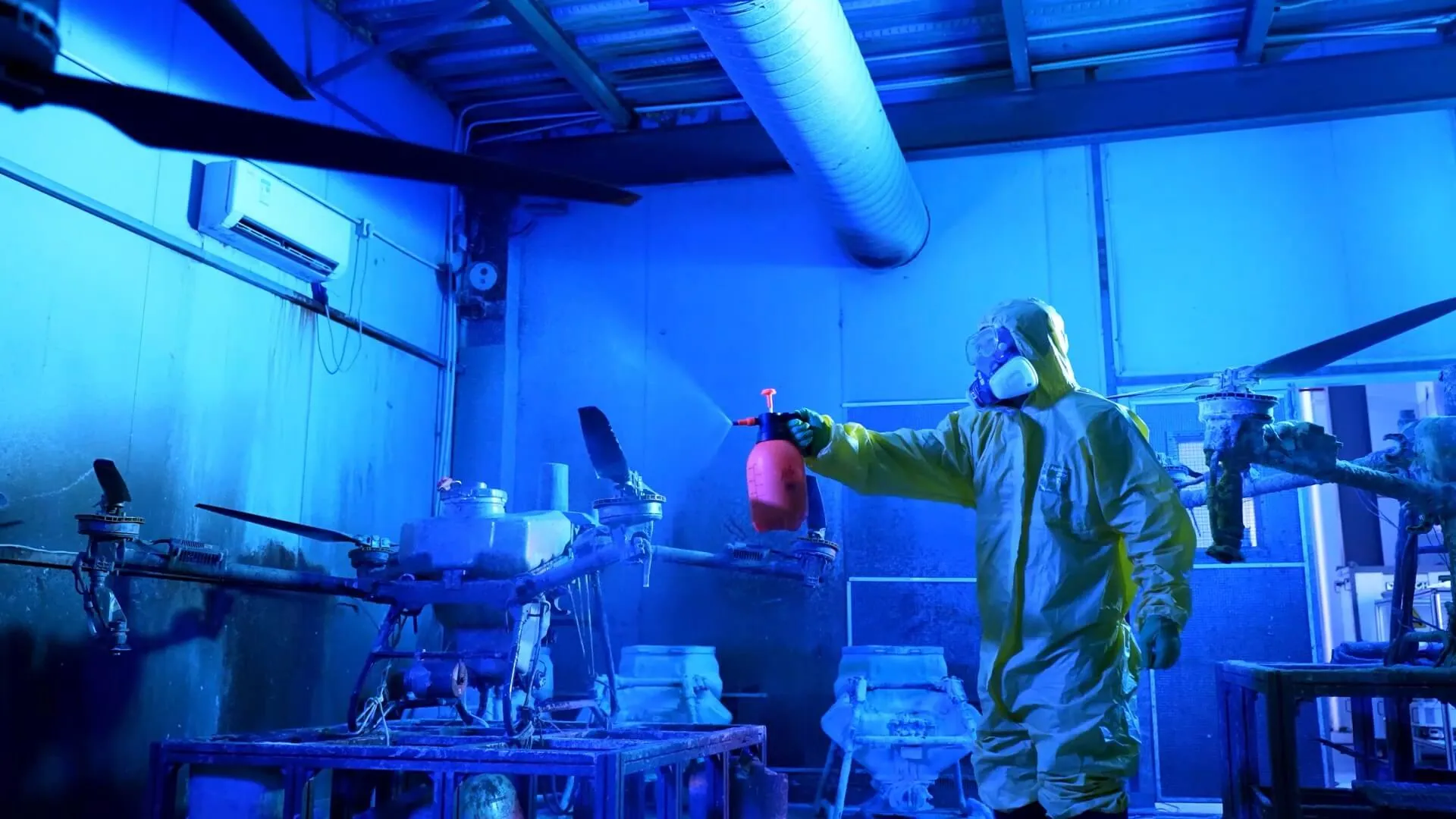
- Maintenance and cleaning: rinsing the system, filters and nozzles, storing for winter. See repair and support.
Training is offered with an Agras purchase, and we can provide a field for the training sessions. Tell us your crew size and what you will apply.
Lessons from real jobs
- Calibrate on your own material. An untested setup can put down double the target seed rate across the first fields. Calibrate on the ground with a scale, then over catch trays.
- Don't trust the maximum swath. Ontario trials found drone deposits vary much more across the swath than other equipment; a narrower swath is safer.
- Don't go low and fast. Low water volumes and high speed raised drift and cut coverage in a tar spot trial by Ontario's agriculture ministry (OMAFA).
- Plan power first. On 120 V the C10000 charger is limited to 3,000 W, and the crew ends up waiting on batteries.
- Demos are water-only. A demo shows flight and workflow, not how well a product works.
Read more in the spray drone guide and the cover crop seeding guide.
Frequently asked questions
What training do I need to fly a spray drone in Canada?
A Transport Canada Advanced pilot certificate, your province's aerial pesticide licence for pesticide work, and operator training on the drone itself: setup, calibration, routes and maintenance.
Is Agras training included with a drone?
Training is offered with an Agras purchase and covers setup, calibration, route planning, batteries and maintenance with your own drone.
Where does Agras training take place?
We can provide a field for training and for your Transport Canada flight review. Tell us your location and crew size when you ask.
Do farmers need a pesticide licence to spray their own fields by drone?
It depends on the province. Saskatchewan exempts producers applying on their own land from the commercial licence, but they must still follow the label. As of November 2026, Ontario's drone licence and farmer exemption are proposals; see the regulations guide. Check with your province.
Where can I take an RPAS pesticide applicator course?
Saskatchewan Polytechnic announced an RPAS Pesticide Applicator course for 2026. Other provinces handle aerial licensing through their pesticide licensing offices.
How long does it take to learn to fly an Agras?
The flying is largely automated; the skill is in mapping fields, calibrating and managing the crew, water and batteries. Plan your first jobs on simple, open fields.
Ask about Agras training
Tell us the drone, your crew and what you'll apply.
Tell us about your drone and crew
Your name and email are enough to start. A person from our Toronto team replies.