Greenhouse shading by drone: putting on and washing off roof coatings
A spray drone can put shading compound on greenhouse glass roofs in spring and spray the remover in late summer, with no one on the roof. It leaves droplets rather than an even film, and must stay 500 ft from people not on the job.
Updated
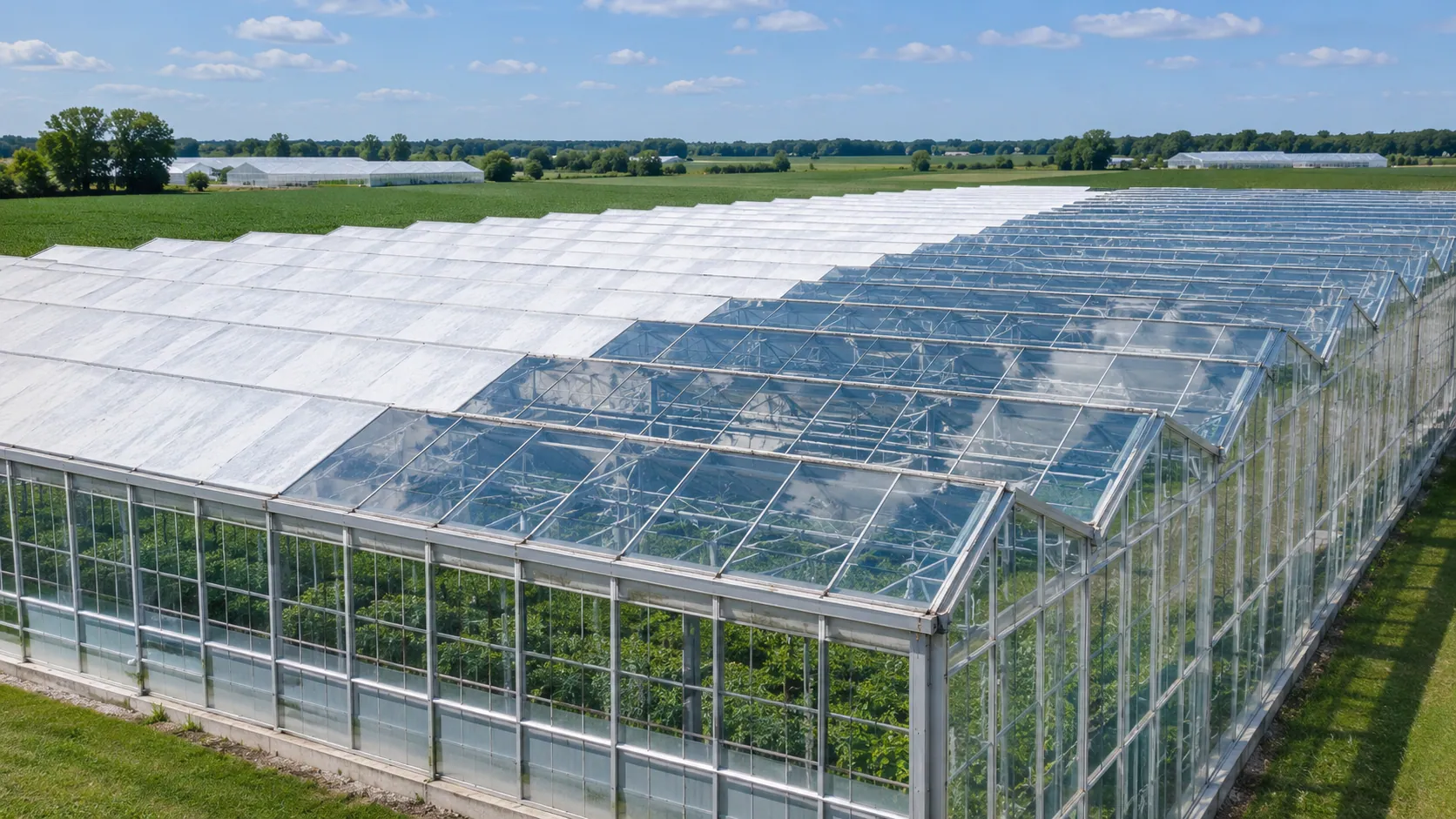
Shading a glass roof is slow and awkward
As spring light gets stronger, tomato, cucumber, pepper and flower growers put a chalk-based shading compound on the glass to keep plants from scorching, then wash it off in late summer. The work is done by roof machines running along the gutters, by crews on the roof, or by helicopter. Each is slow, hard to book at the right week, or puts people on fragile glass.
Spray the roof from above, on your schedule
A spray drone such as the Agras T50 flies a planned route over each roof block and sprays the compound at the coating maker's dilution, without anyone on the glass. In late summer the same drone sprays the remover so rain can rinse the coating off. Ontario operators already offer drone shading to greenhouse growers.
Faster to book; check the coverage
Expect easier scheduling and no crew on the roof. A drone leaves droplets, not an even film. Coating makers say standard shading products work fine this way; diffusing coatings may need a second pass. Fly a test block and check the shade level before you do the whole range.
Shading paint, whitewash or shade cloth?
| Shading compound (paint or whitewash) | Shade cloth or screens | |
|---|---|---|
| Where it goes | Sprayed on the outside of the glass | Fixed or retractable, inside or outside |
| How long | One season; washed off with a remover and rain | Years |
| Adjusting | Fixed until removed; a second coat adds shade | Opened and closed as light changes |
| Applied by | Roof machine, crew, helicopter or drone | Installed once |
| Best for | Large glass ranges that need seasonal shade | Houses with screen systems already fitted |
Most large commercial ranges use a compound in spring and summer and screens for daily control.
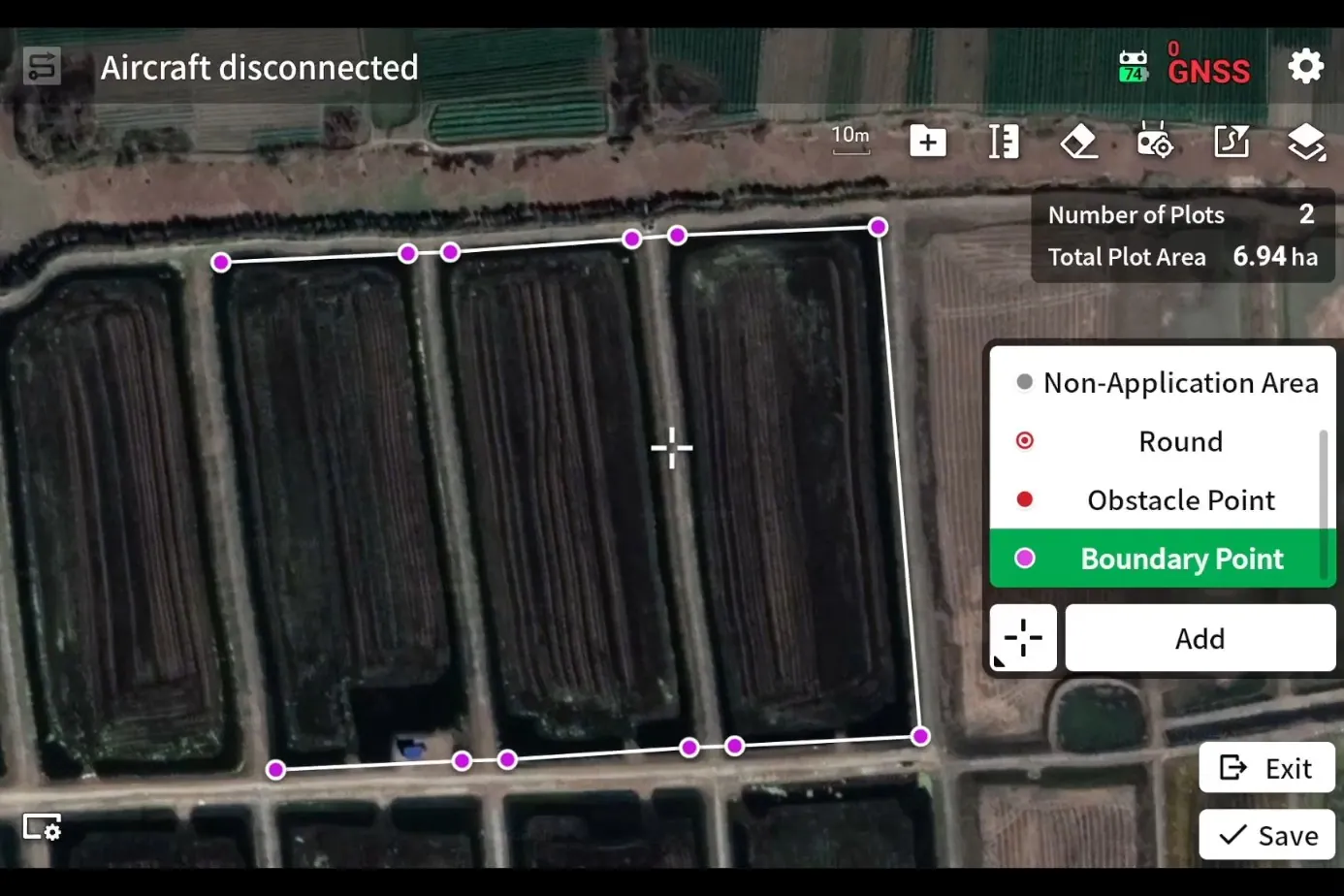
How a drone shading job works
- Map the range. Fly a mapping drone or use existing drawings to outline each roof block, gutters, vents, chimneys, power lines and roads.
- Mix to the coating maker's sheet. The dilution for aerial or drone application can differ from the rate for roof machines; ask the manufacturer.
- Fly a test block. Check the shade level and how the coating looks on the glass before doing the whole range.
- Spray block by block in calm, dry weather so the coating dries on the glass, not in the gutters.
- Wash off in late summer. Spray the remover and let rain rinse the roof. Ask where the rinse water drains, because many removers are acidic.
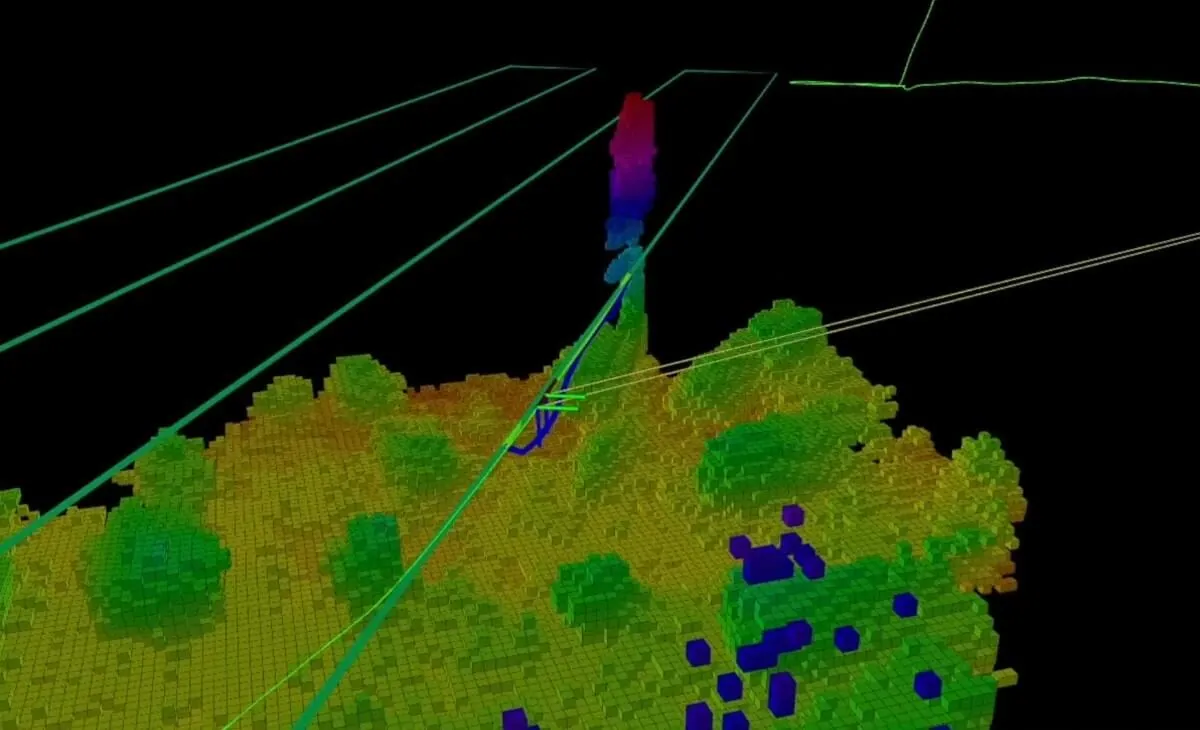
Rules to plan around
- Pilot certificate and drone class. A loaded Agras weighs over 25 kg, so it is a medium drone: the pilot needs a Transport Canada Advanced certificate and the drone a declaration for the operation. See drone spraying regulations.
- People below. Under the normal rules, a spray drone this size must stay at least 500 ft (about 150 m) from anyone not on the job, including staff in the greenhouse. Flying closer needs a stricter declaration that Transport Canada has reviewed (pre-validated). Staff inside and around the greenhouse, neighbouring sites and roads all count in the plan, so schedule around shifts or ask Transport Canada how your site applies.
- Is it a pesticide? A shading compound that only reduces light isn't sold as a pest control product. Roof algae and moss removers are pesticides and need a label that allows aerial use and the right licence.
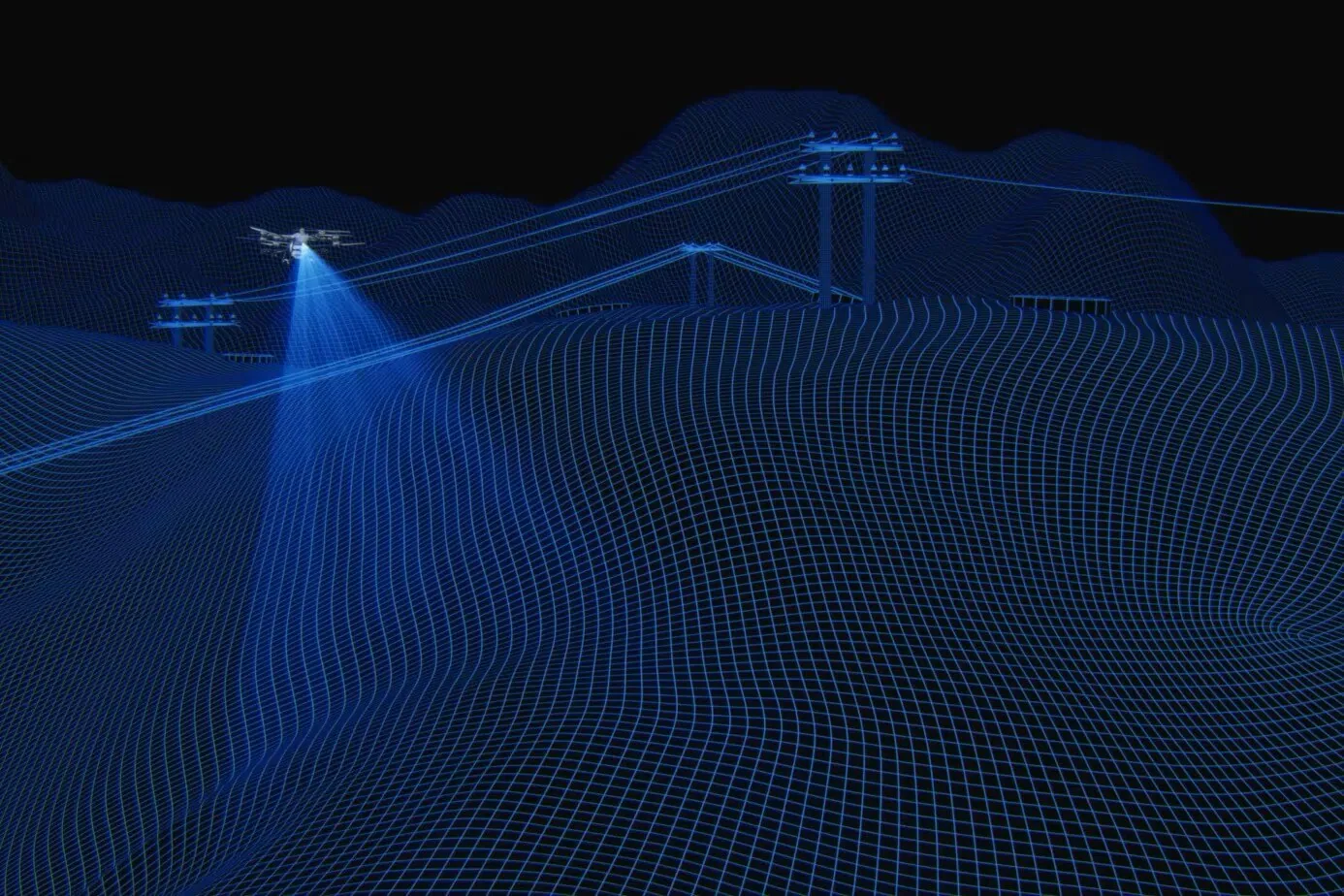
Ontario's greenhouse cluster
The Leamington and Kingsville area has about 2,000 acres of greenhouses, the largest cluster in North America. Large ranges in the Niagara region and around Toronto use the same seasonal shading. Want to see a drone spray a test block with water? Book a demo, or ask us to fly the job.
Common questions
Yes. A spray drone such as the Agras T50 can spray shading compound on glass roofs at the coating maker's dilution, and spray the remover in late summer. Ontario operators already do this for greenhouse growers.
Not quite. A drone leaves a pattern of droplets rather than an even film. Standard shading products usually work this way; diffusing or light-filtering coatings may need a second pass. Test a block first.
It usually goes on between March and July as light gets stronger, depending on the crop and region, and comes off between August and October with a remover and rain.
A compound that only reduces light isn't sold as a pest control product. Roof algae and moss removers are pesticides, so they need a label that allows aerial use and the right licence.
A loaded Agras is a medium drone. With a standard declaration it must stay more than 500 ft (152.4 m) from anyone not involved in the job, and closer work needs a pre-validated declaration. Plan around staff shifts and check with Transport Canada how your site applies.
Send the roof area, glass type, coating product and the week you want it on. After a job assessment we confirm whether we can fly it and send a written quote.
More Applications
Orchard and vineyard spraying with drones
Spray drones can treat orchards, vineyards and berry blocks on slopes and wet rows an airblast sprayer can't reach, but they spray from above at a lower water volume, so canopy coverage differs. Check the label allows aerial use and test coverage first.
Multispectral drones for crop scouting and mapping
A multispectral drone maps crop health with light bands the eye can't see, so you can find where a field differs, compare dates and build prescription maps. The map shows where to look; a ground check tells you why.
Mosquito larvicide and phragmites control by drone in Canada
Four biological larvicides (VectoBac 200G, VectoBac 1200L, VectoLex CG and VectoBac FG+) name drones on their Canadian labels. Ottawa and Winnipeg have used drones on stormwater ponds; every water body still needs a provincial permit and an aerial pesticide licence.
Want to see a drone do this job on your farm?
Tell us the crop, the job and your timing. Demonstrations use clean water and show the flight, refill and crew workflow.
Book a demo