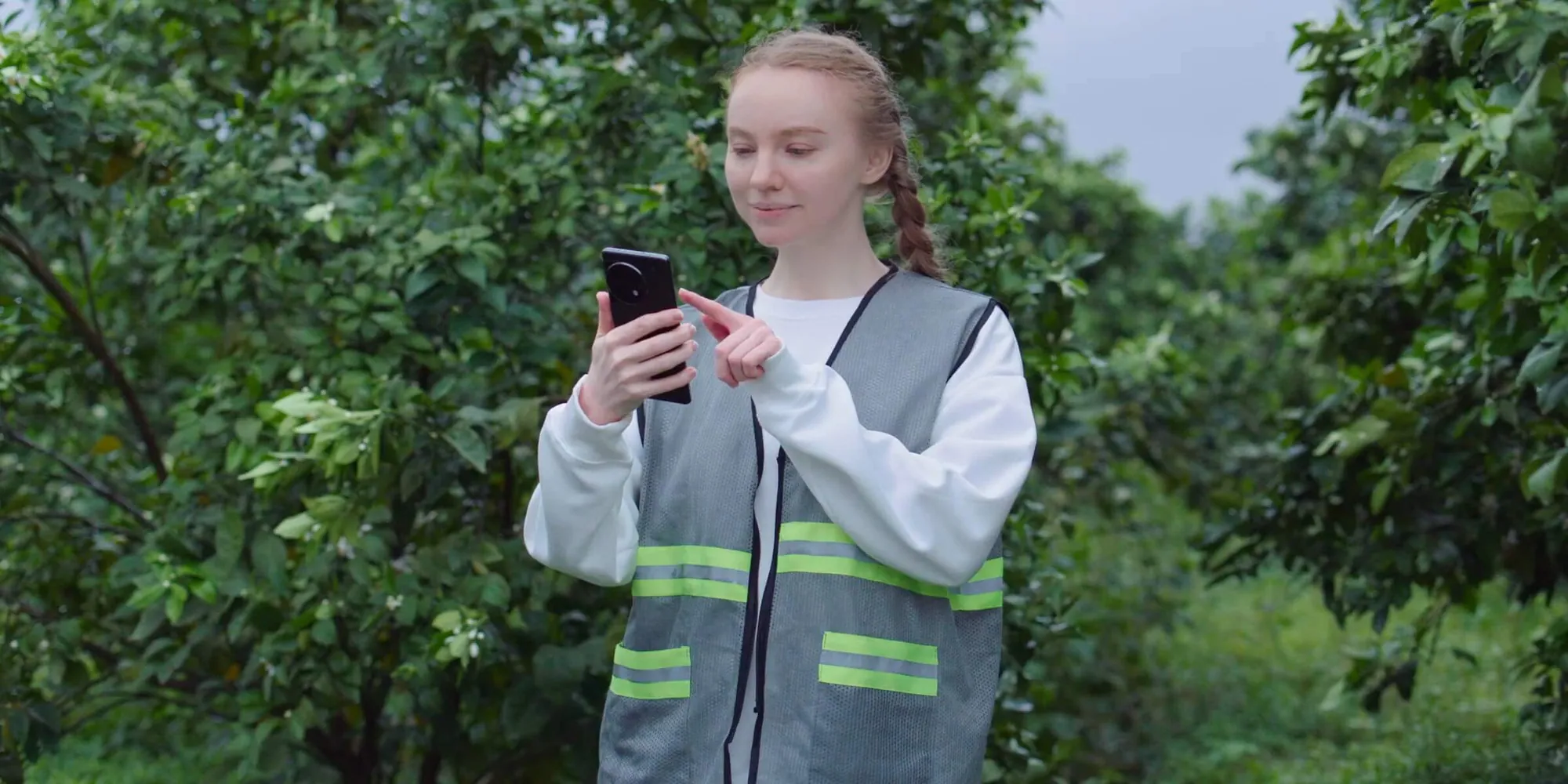
Agricultural drone pilot jobs
with the SpeedyDrone partner network
Interested in farm drone work? If you hold, or are working toward, the Transport Canada Advanced certificate, register your interest. When a farm job comes up near you, we contact partners first.
What it takes to join
Two things:
| Requirement | Detail |
|---|---|
| Interest in the work | You want to fly agricultural jobs: spraying, seeding, spreading or mapping |
| The Advanced pilot certificate | Pass the Transport Canada Advanced exam and the in-person flight review |
That's it to join. We can provide a field to practise on and for your flight review; see the flight review guide.
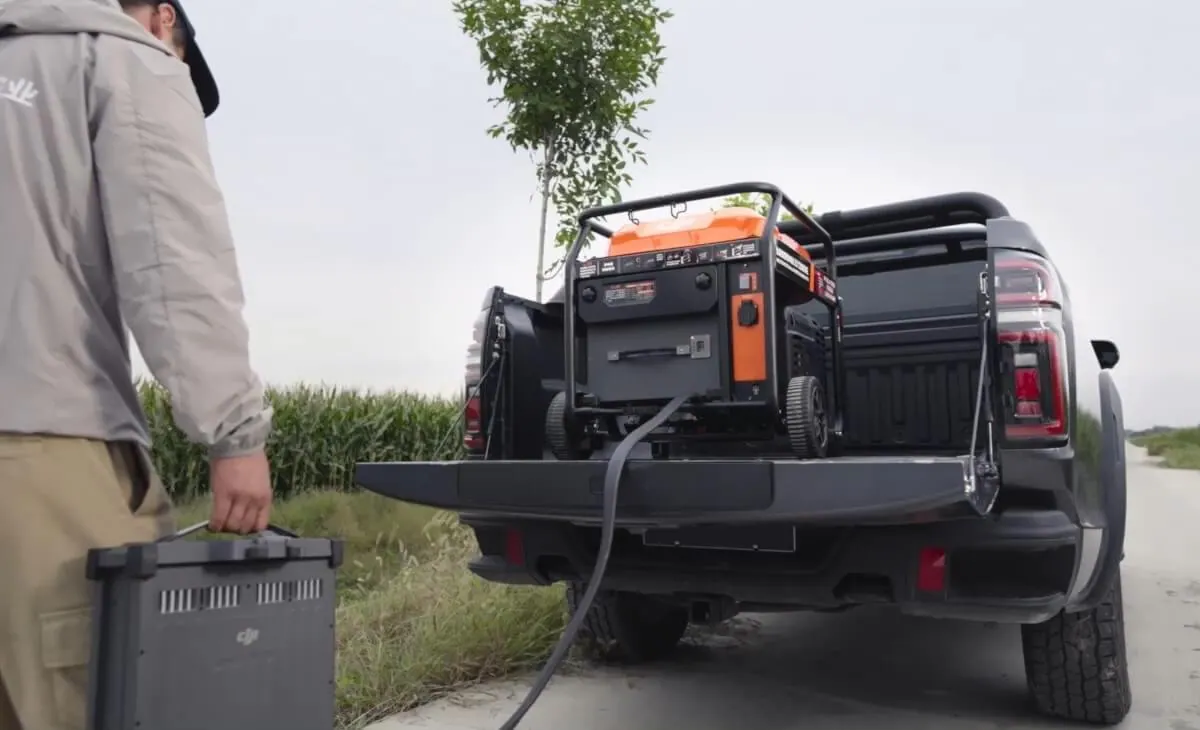
How the partner program works
- Register your interest. Tell us your province and the work you want to do.
- Get certified. Pass the Advanced exam and flight review. The drone licence guide covers the steps.
- Learn the Agras. Agras training covers setup, calibration, routes and safety.
- Take jobs near you. When a farm asks us to fly a spraying or seeding job in your area, partners are the first we call.
Registering puts you on the list; it is not a job offer or a promise of work. You can register any time; you join as a partner once you hold the Advanced certificate.
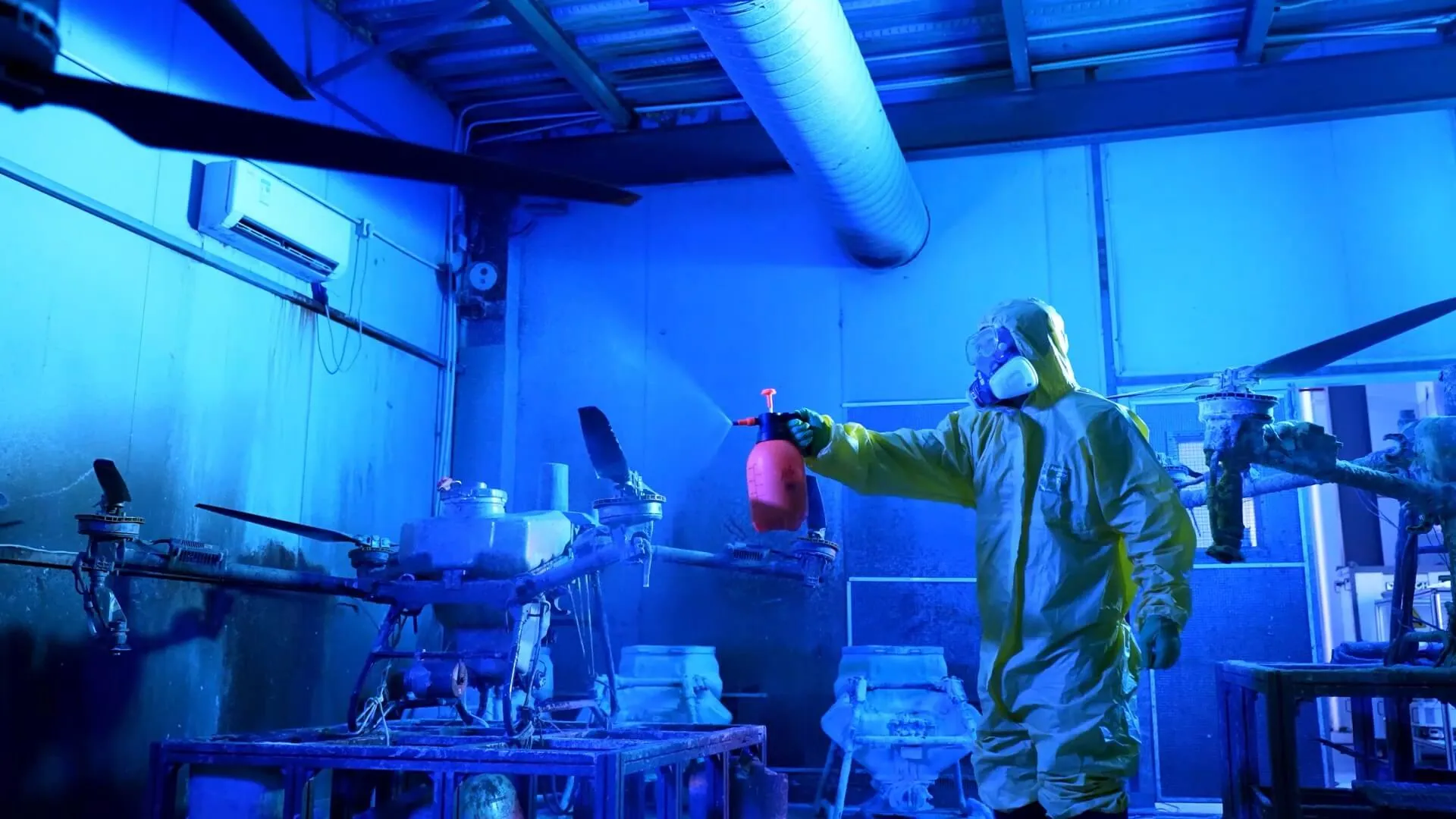
What each job needs
Joining is simple; each job still has to meet the law for that work:
- Pesticide jobs: your province's aerial pesticide licence and a label that allows aerial application.
- Insurance: liability cover for aerial application, including drift where your province requires it.
- The drone: registered and declared for the operation.
- Records: product, rate, field, weather and flight logs for every job.
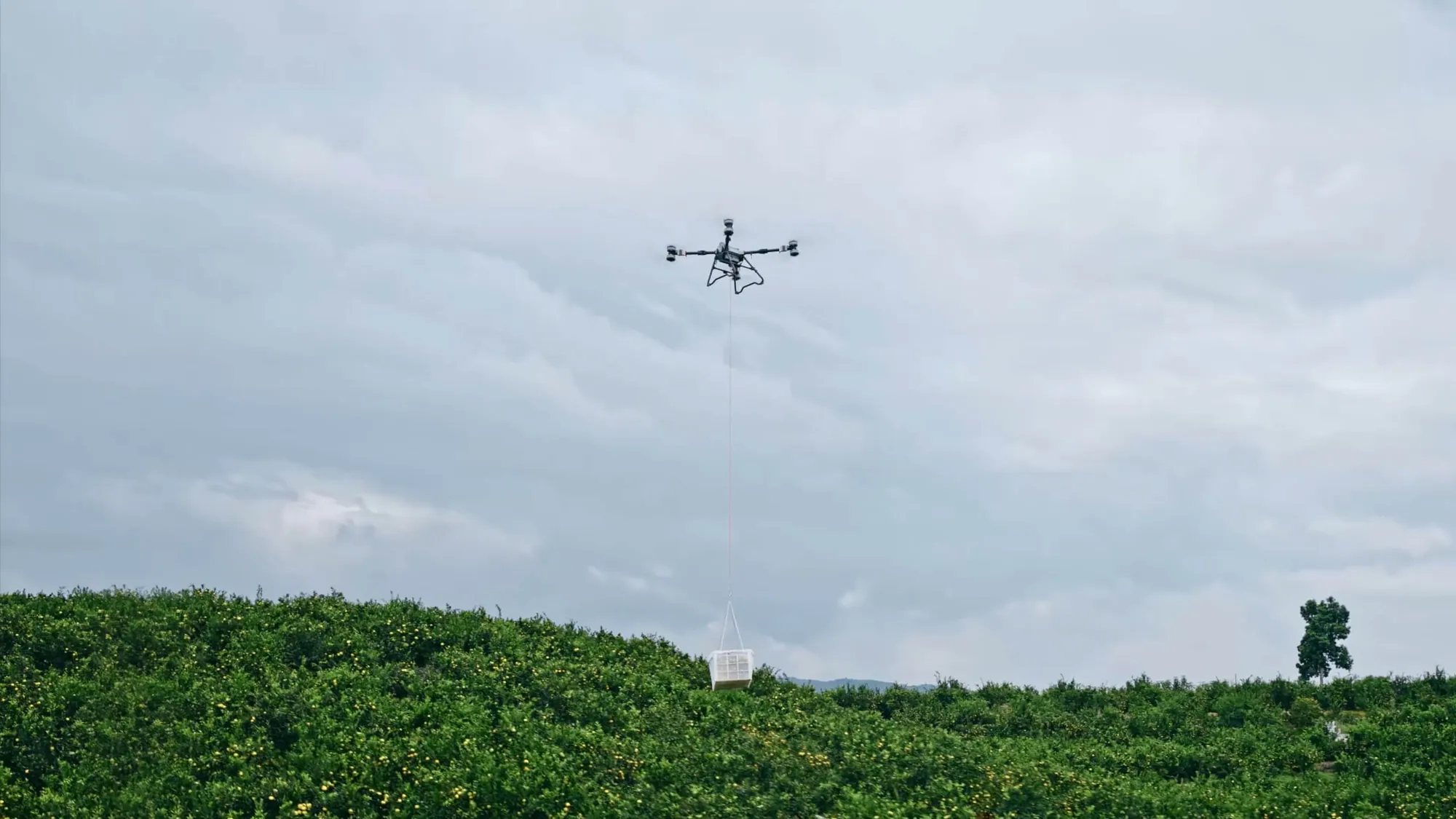
What agricultural drone pilot work looks like
Most farm drone work is seasonal and local:
- Spring: frost seeding clover, fertilizer top-dress, mapping emergence.
- Summer: fungicide passes in wheat, soybeans, corn and potatoes; orchard and vineyard work.
- Late summer and fall: cover crop seeding into standing crops.
Job listings for "drone pilot" in Canada are often for inspection, survey or film work. Farm spraying usually means running your own business or working for a custom applicator. The partner program connects farm jobs with certified local pilots. Read how to start a drone spraying business.
Frequently asked questions
How do I get an agricultural drone pilot job in Canada?
Earn the Transport Canada Advanced pilot certificate, then register for our partner program; partners are the first we call for farm jobs near them. Pesticide jobs also need your province's aerial licence.
What do I need to join the partner program?
An interest in agricultural drone work and the Transport Canada Advanced pilot certificate: pass the online exam and the flight review. We can provide a field for practice and the review.
Do I need my own drone to join?
Tell us what equipment you have when you register. If you're thinking of buying, see the Agras T50 and financing options.
Are drone pilots in demand in Canadian agriculture?
Demand is growing as more products are registered for aerial use and provinces add drone licences. The work is seasonal, so most pilots combine spraying, seeding and mapping.
How much do agricultural drone pilots make?
It depends on acres, rates and the season. Most farm drone pilots run their own business, so income is revenue minus equipment, insurance, travel and crew costs.
Does registering mean I will get work?
No. Jobs depend on local demand. Registering puts you on the list for work near you.
Register your interest
Tell us your province, whether you've passed the Advanced exam, and the work you want.
Tell us about you and the work you want
Your name and email are enough to start. A person from our Toronto team replies.