How to start a
drone spraying business in Canada
Licences, equipment, insurance, customers and pricing: a practical plan for your first season as an agricultural drone operator.
Step 1: Get the licences
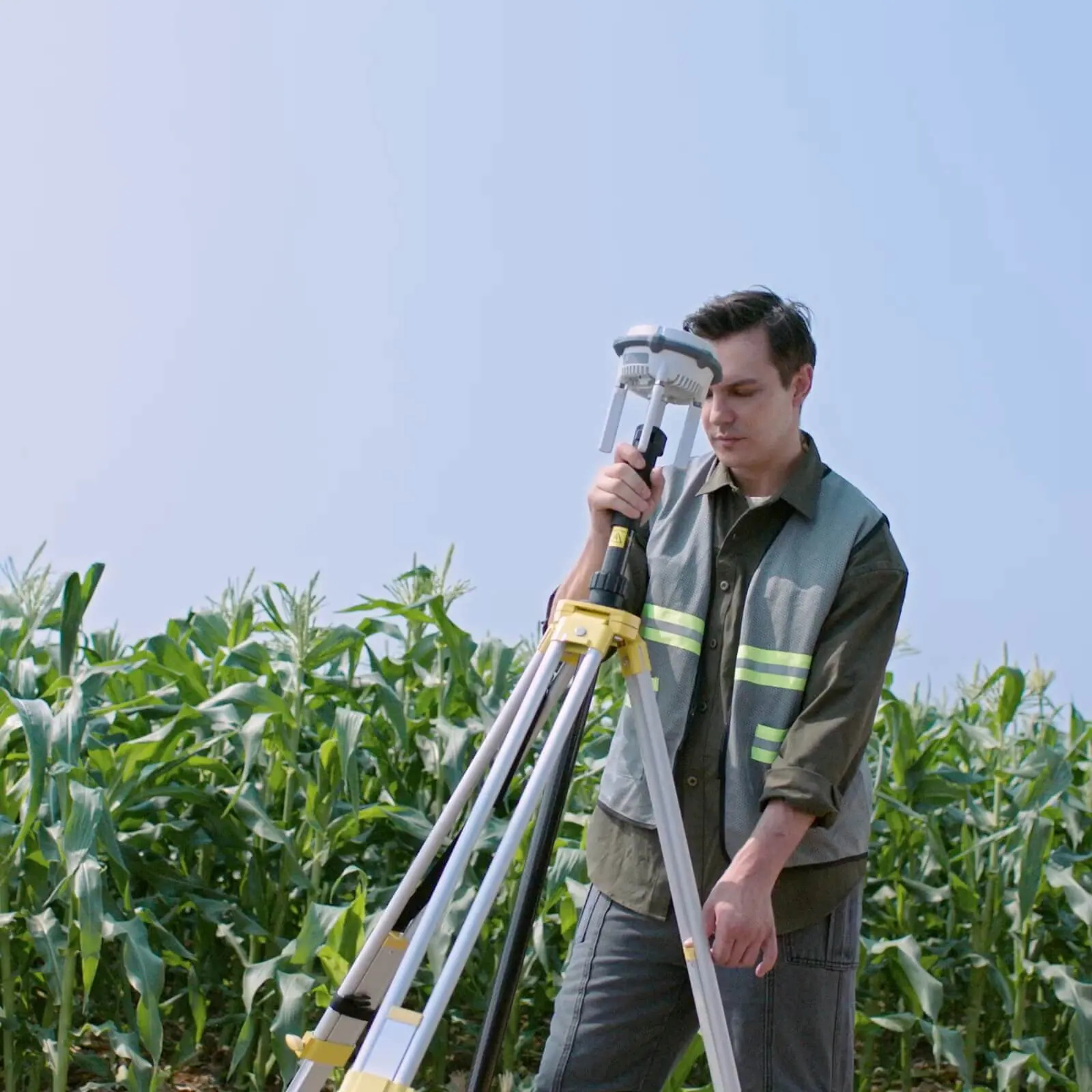
- Transport Canada Advanced pilot certificate for every pilot. See the drone licence guide.
- Provincial aerial pesticide licence. Rules differ by province: Saskatchewan has had a drone applicator licence since 2026, Ontario proposed one in October 2026, and Québec needs a permit for the business and a certificate for the applicator. See the regulations guide.
- Agras training with your drone: setup, calibration, routes and safety. See Agras training.
- A registered, declared drone for the operations you will fly.
Step 2: Choose the equipment
| Starting out | Growing | |
|---|---|---|
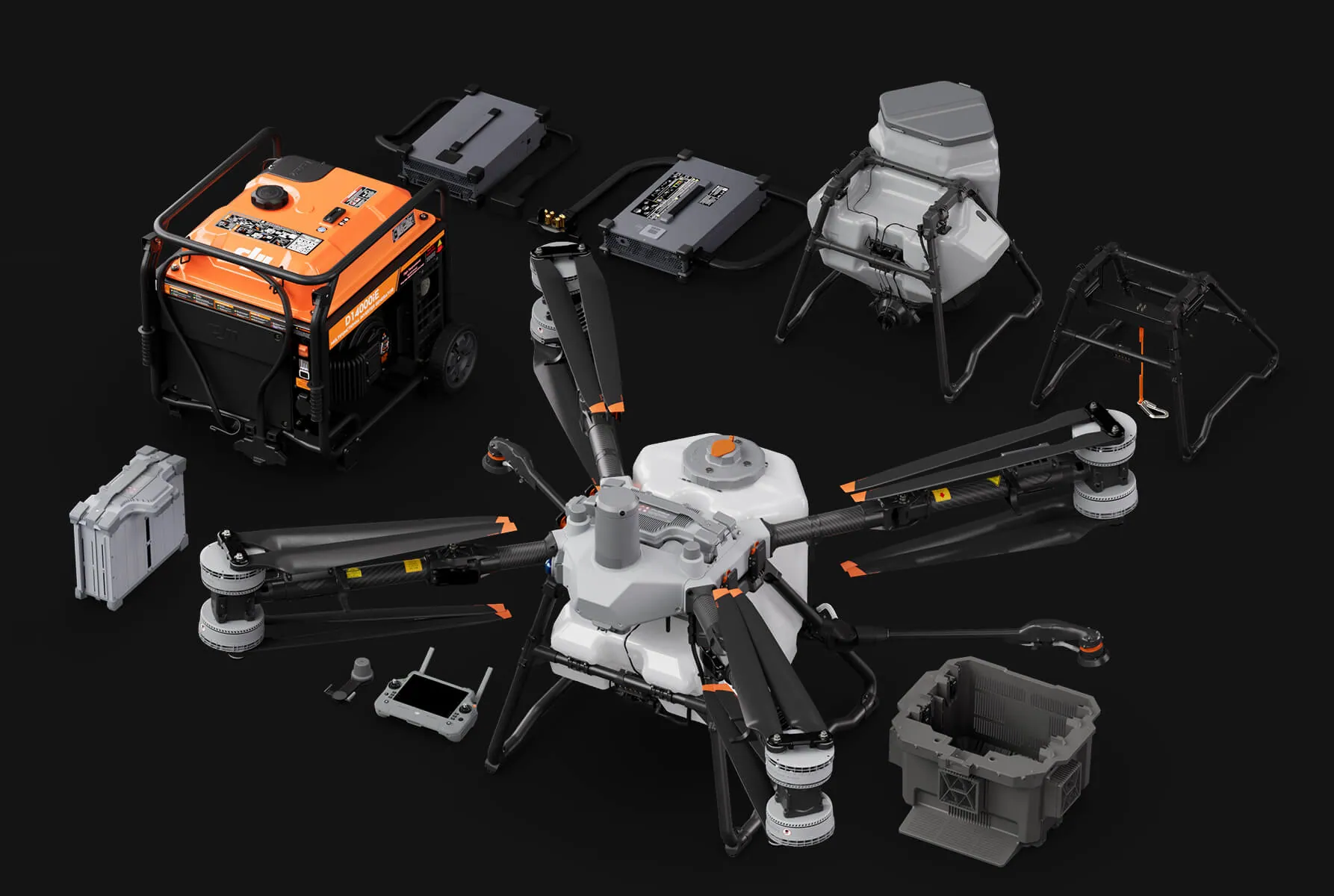
| Drone | Agras T50 | Second T50 or an Agras T100 |
| Batteries | Three or four | Enough to never wait on charge |
| Power | D12000iE generator | Generator per drone |
| Payloads | Spray system; add the spreader for seeding | Both, plus spare sprinklers and a second tank |
| Transport | Trailer with water tank and battery rack | Second trailer |
A fully loaded T100 can pass 150 kg and then needs a Special Flight Operations Certificate (SFOC). See the field kit guide, financing options, and repair and support for parts in season.
Step 3: Insurance and records
Buy liability insurance that covers aerial application and drift. Ontario sets a minimum for aerial businesses; Saskatchewan requires drift cover for drone applicators. Keep records of product, rate, field, weather and GPS flight logs for every job.
Step 4: Find customers
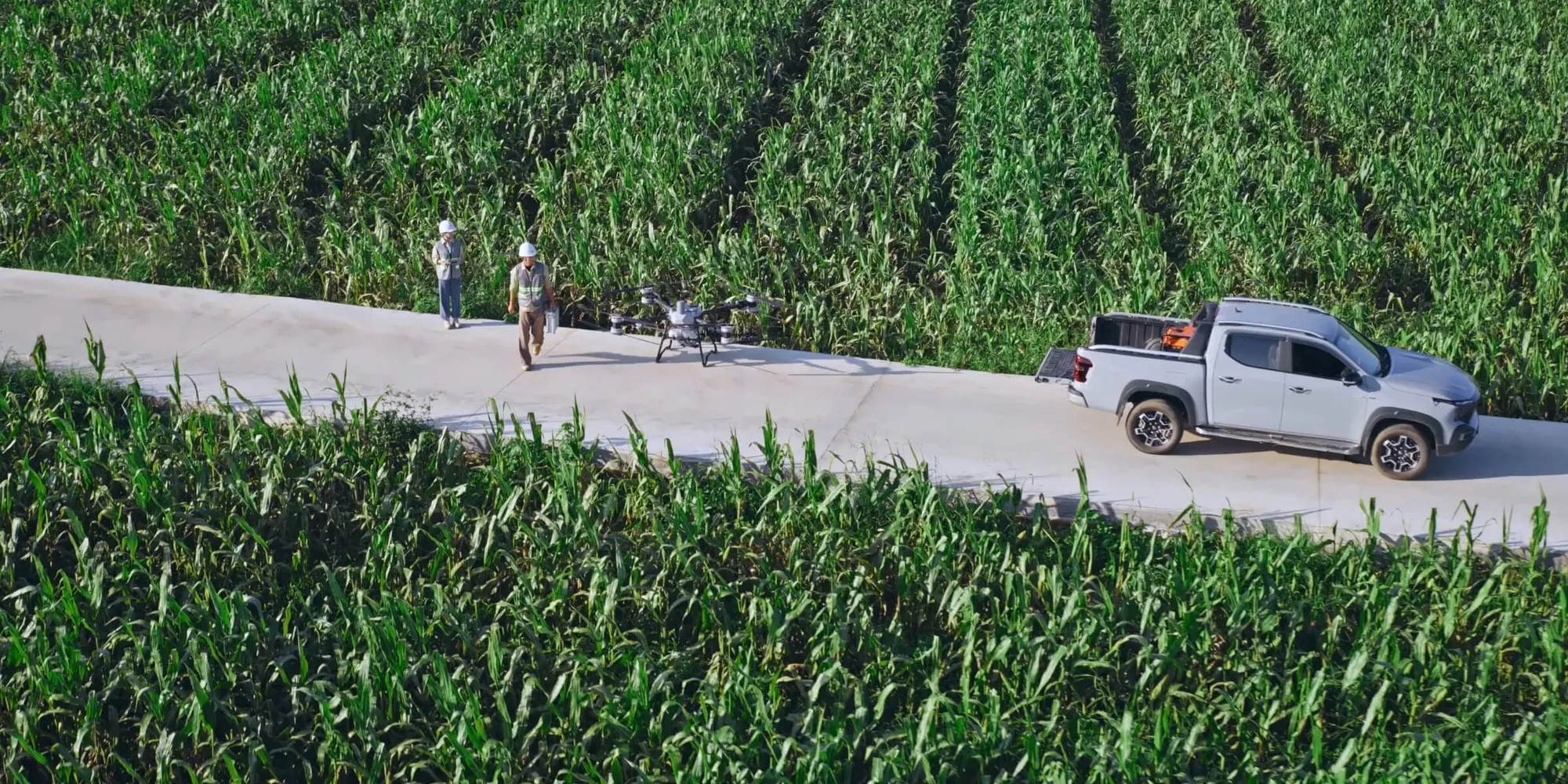
- Farms with wet or tall-crop timing problems: fungicide in wheat, soybeans and corn, often small fields that would otherwise wait for a crop duster.
- Potato and forage growers: late blight passes on wet rows and pasture seeding.
- Greenhouse ranges that shade their glass each spring. See greenhouse shading.
- Cover crop growers who want seed on before harvest. See cover crop seeding.
- Orchards and vineyards on slopes. See orchard spraying.
- Agronomists and retailers who need someone to apply what they recommend.
Start with neighbours and local crop advisors. Farmers buy on trust and timing.
Step 5: Price the work
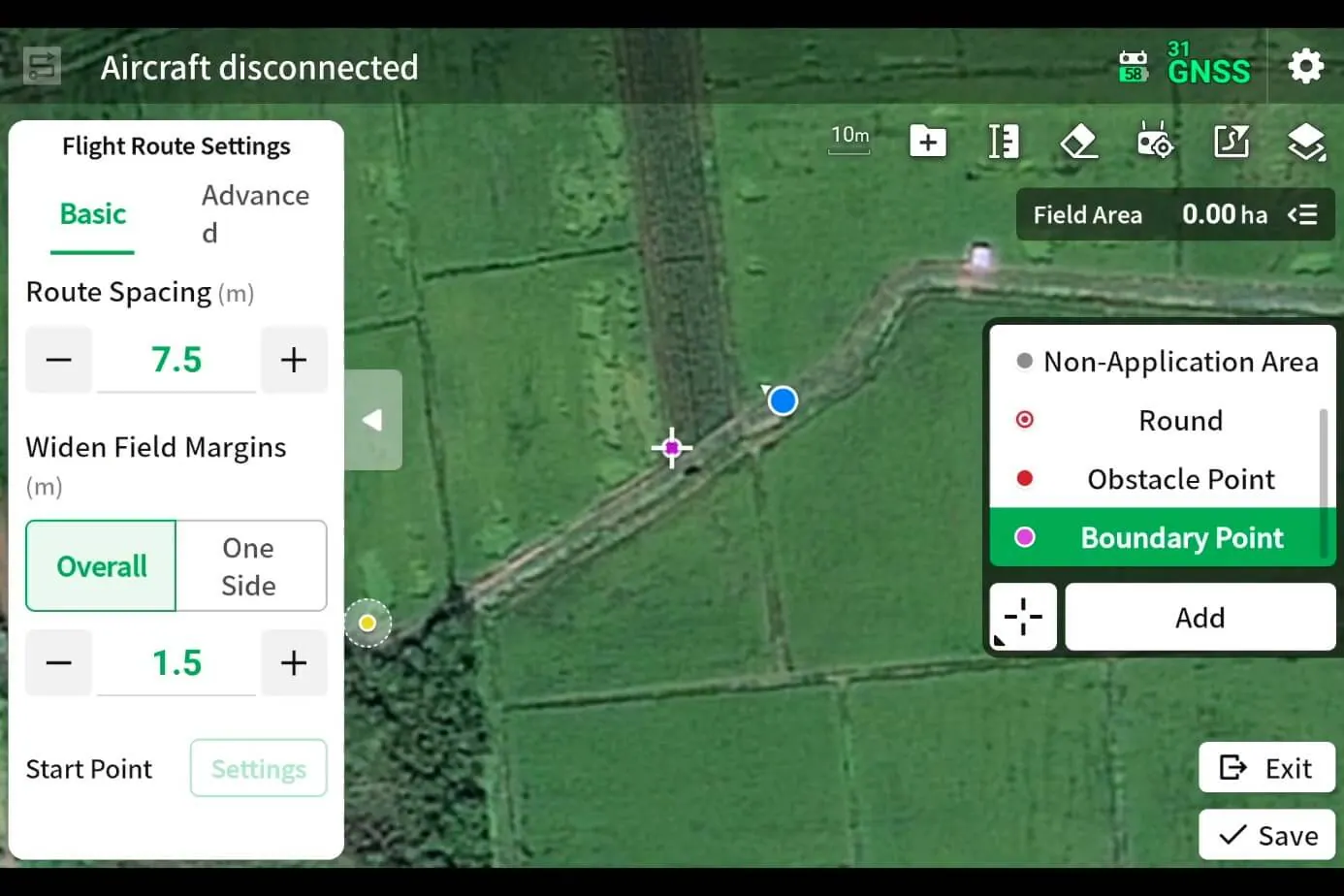
Build each quote from mobilization, a minimum charge, a per-acre rate that rises with water volume, who supplies the product and water, and weather terms. At 50 L/ha one T50 tank covers about 0.8 ha (about 2 acres), so time a full cycle (fly, land, refill, swap batteries) before you set a per-acre price. Seeding at low rates goes much faster per load than spraying.
Step 6: Plan the first season
- Winter: licences, equipment, insurance, trailer build.
- Early spring: practice on simple, open fields; calibrate on real seed and fertilizer.
- Spring and summer: take jobs within a short drive; measure acres per day honestly.
- Fall: cover crop seeding, then review the season's costs and rates.
Want jobs as well as equipment? Join the partner program.
Frequently asked questions
How do I start a drone spraying business in Canada?
Get the Transport Canada Advanced pilot certificate and your province's aerial pesticide licence, buy a declared Agras with enough batteries and power, insure the business for aerial application, and start with local farms and crop advisors.
How much does it cost to start a drone spraying business?
Budget for the drone, batteries, a generator, spray and spreading systems, a trailer, training, licences and insurance. Batteries and power are a large share. Ask for an itemized quote and see financing options.
How much do drone sprayers make?
It depends on acres per season, your rate and your costs. Time a full spraying cycle first: at 50 L/ha a T50 tank covers about 0.8 ha, so refills and charging set how many acres you can bill.
Which drone is best for a spraying business?
Do I need insurance for drone spraying?
Yes. Liability insurance for aerial application, including drift. Ontario and Saskatchewan set requirements for aerial and RPAS applicators.
Talk to us about your business plan
Tell us your province, acres and the work you want to do.
Tell us about your business plan
Your name and email are enough to start. A person from our Toronto team replies.