Farm yard with 240 V
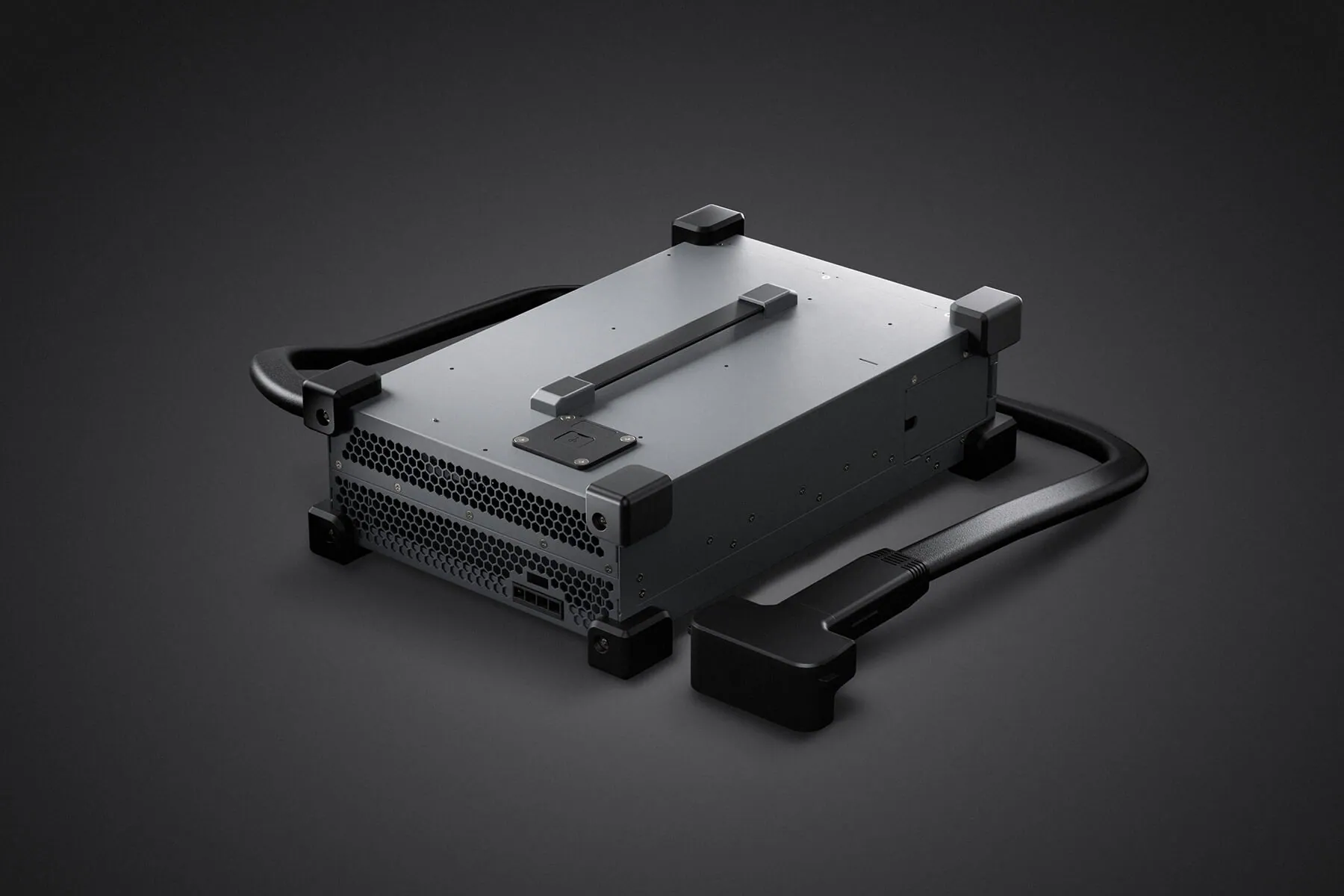
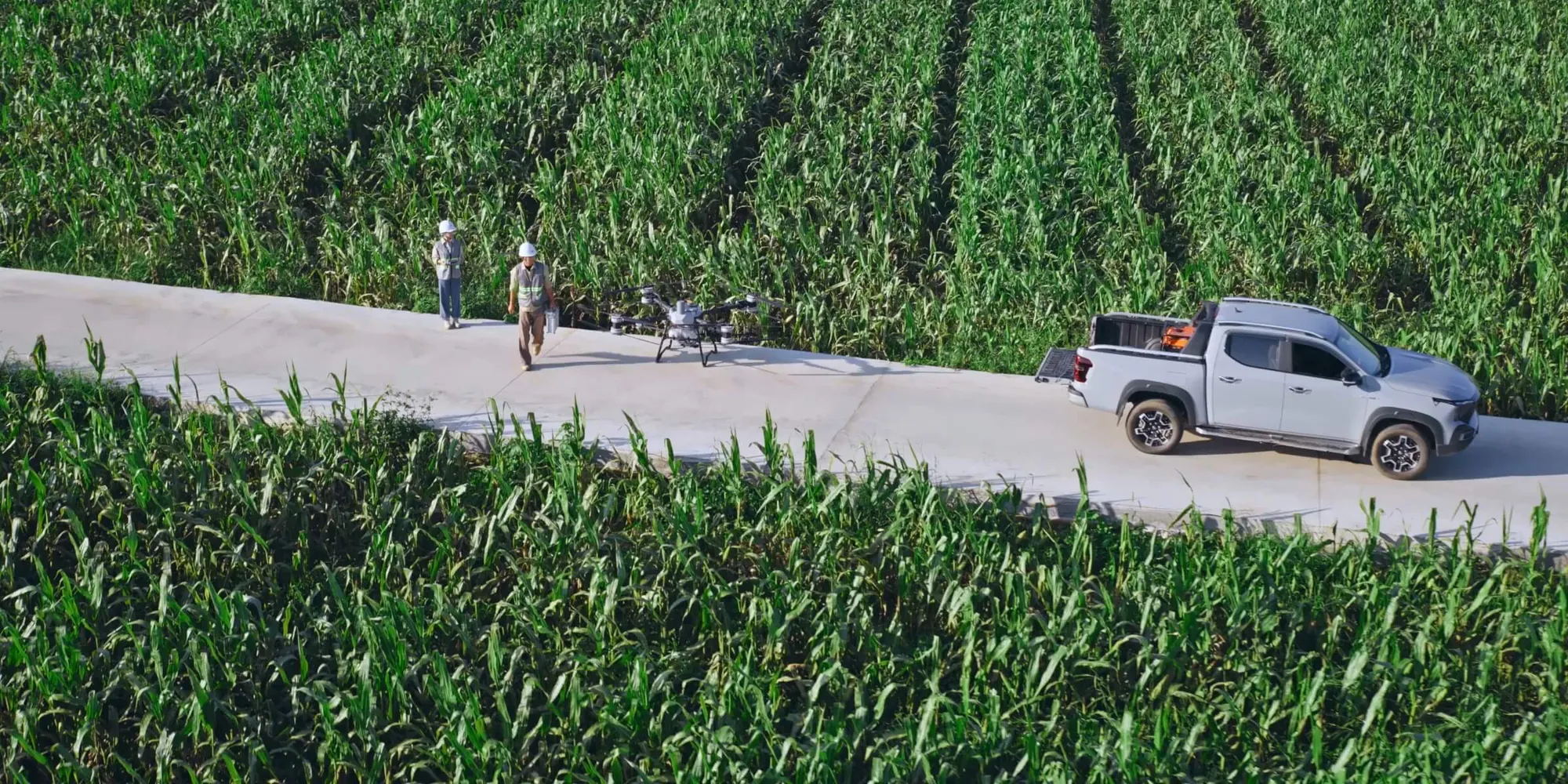
A C10000 on a 240 V circuit charges a DB1560 in 9–12 minutes, as long as you load and launch from the yard.
Questions about a project? Our team can help. Contact us →
Batteries and charging decide how much an Agras drone gets done. A T50 crew usually rotates three DB1560 batteries through a C10000 charger or a D12000iE generator; a T100 runs DB2160 batteries on a C12000 or D14000iE. We size the kit to your site power, daily acres and temperature, and add RTK, relays, spare propellers and nozzles so the aircraft isn't waiting on parts.
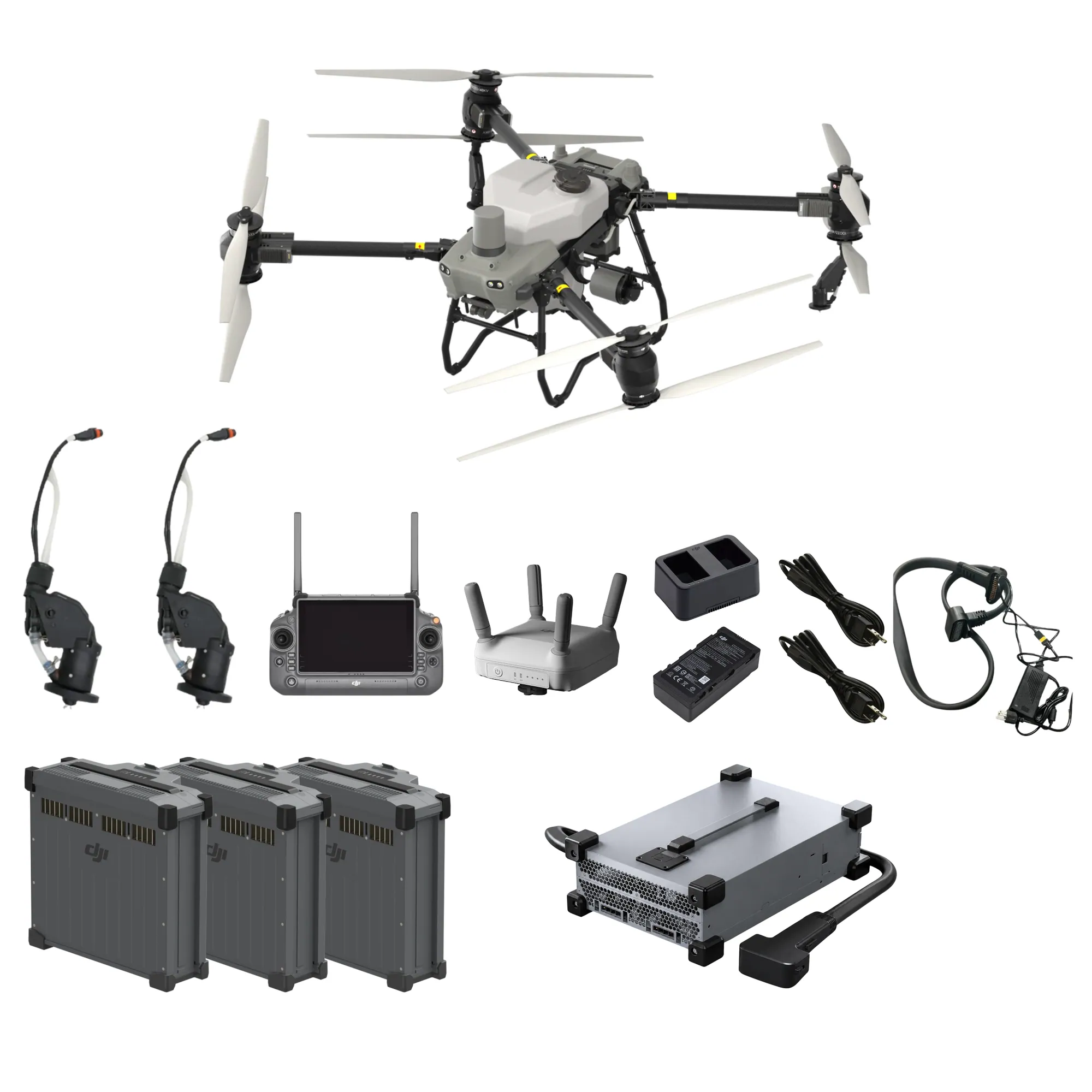
Most T50 packages come with three DB1560 batteries, so one flies, one charges and one cools. Add another for long days or hot weather, when batteries need longer to cool before charging.
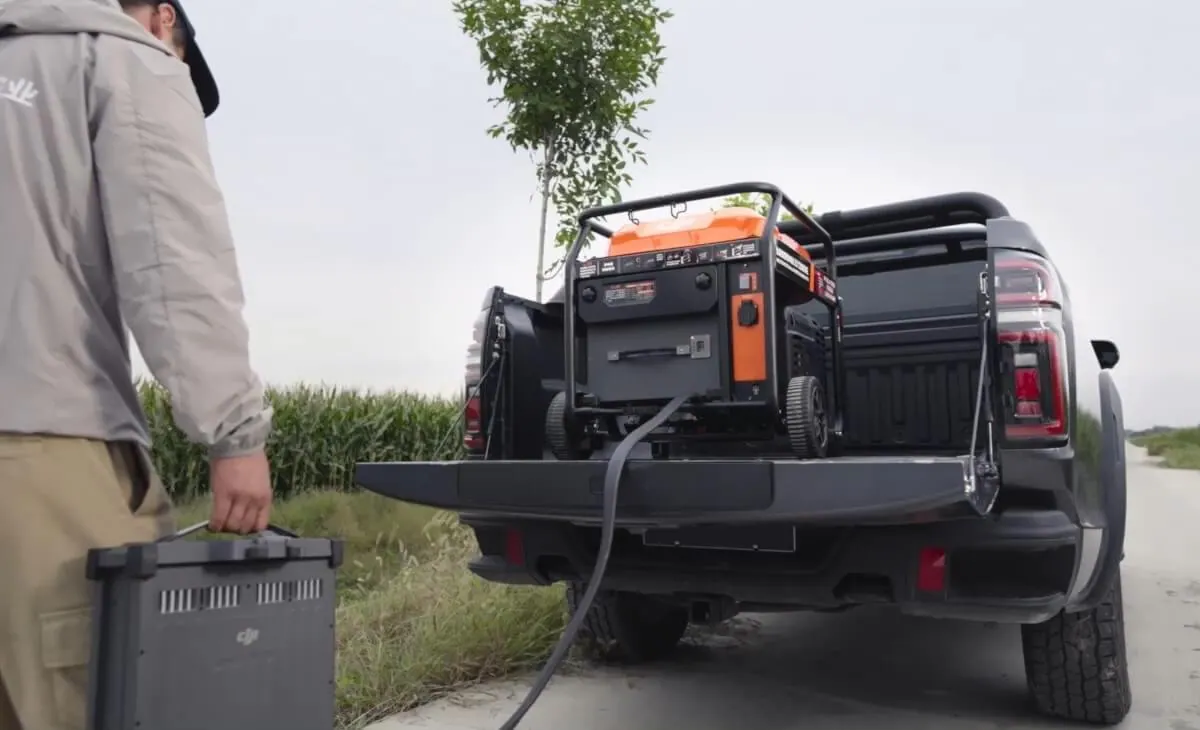
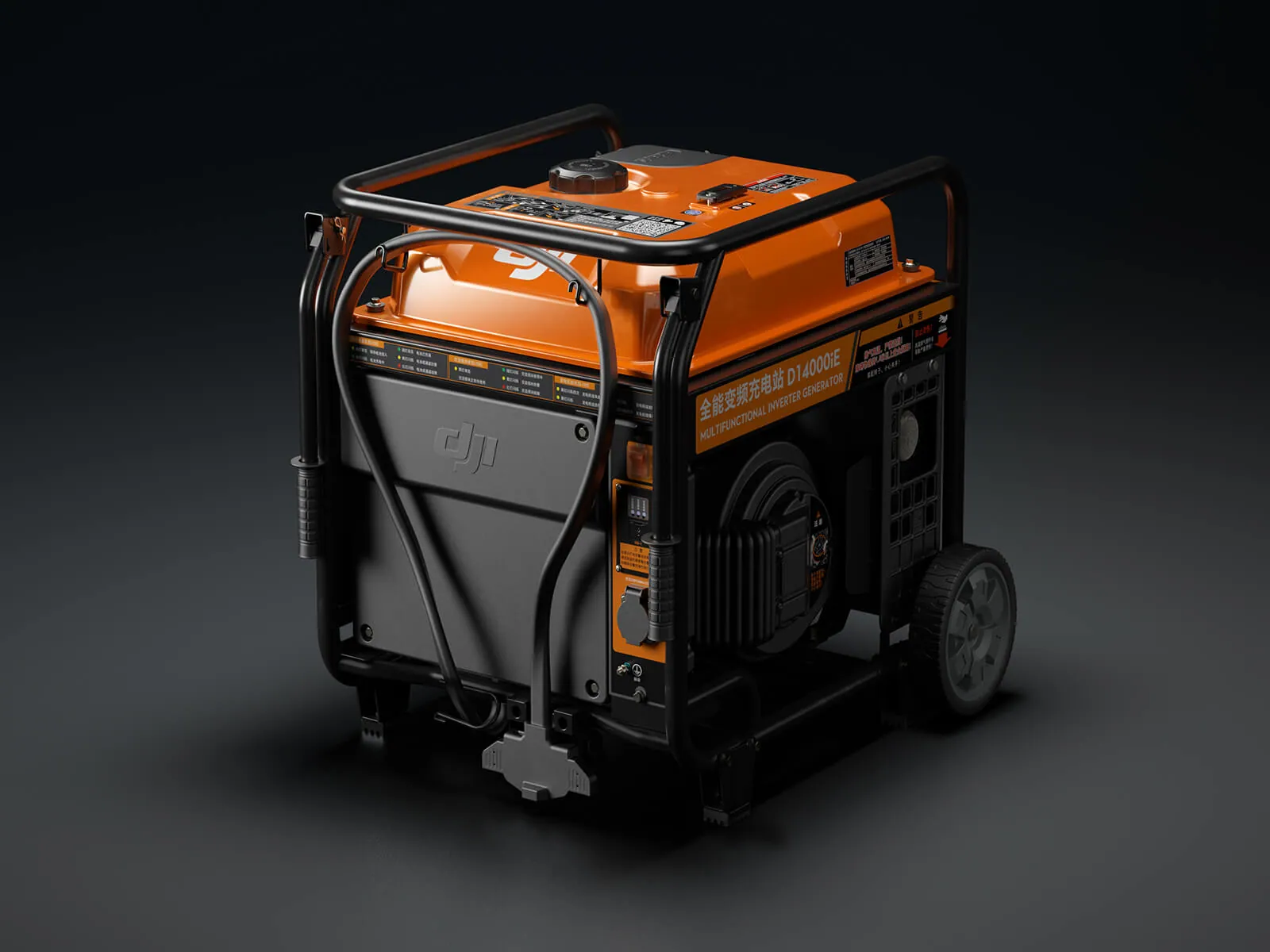
The C10000 needs a 240 V circuit to reach full power; on 120 V it drops to 3,000 W. Fields without power need a generator: a D12000iE charges a T50's DB1560 in about 9–12 minutes, a D14000iE charges a T100's DB2160 in about 8–9 minutes.
Batteries are one of the largest lines on an Agras quote. Many buyers start with three and add more once they have timed a real day in their own fields.
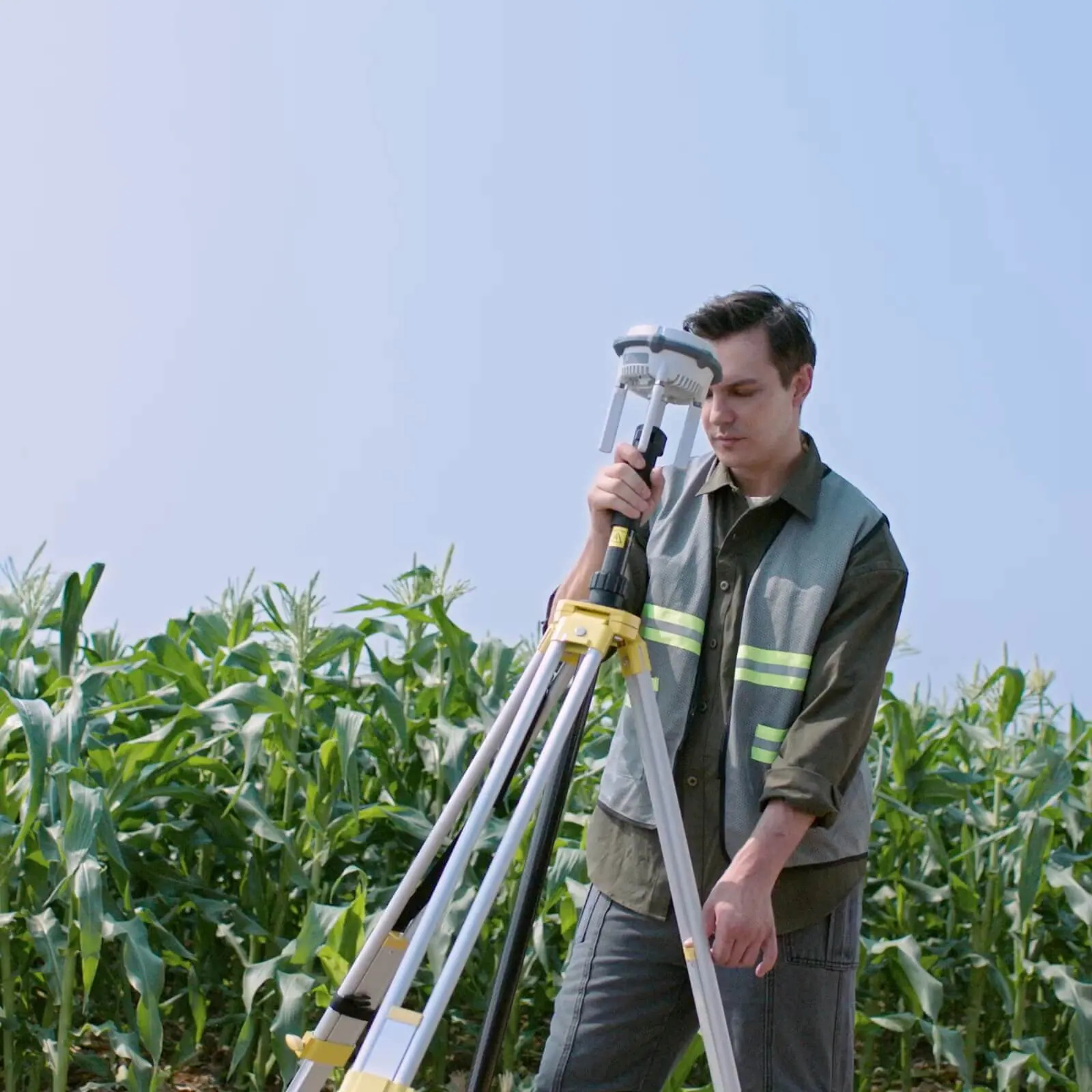
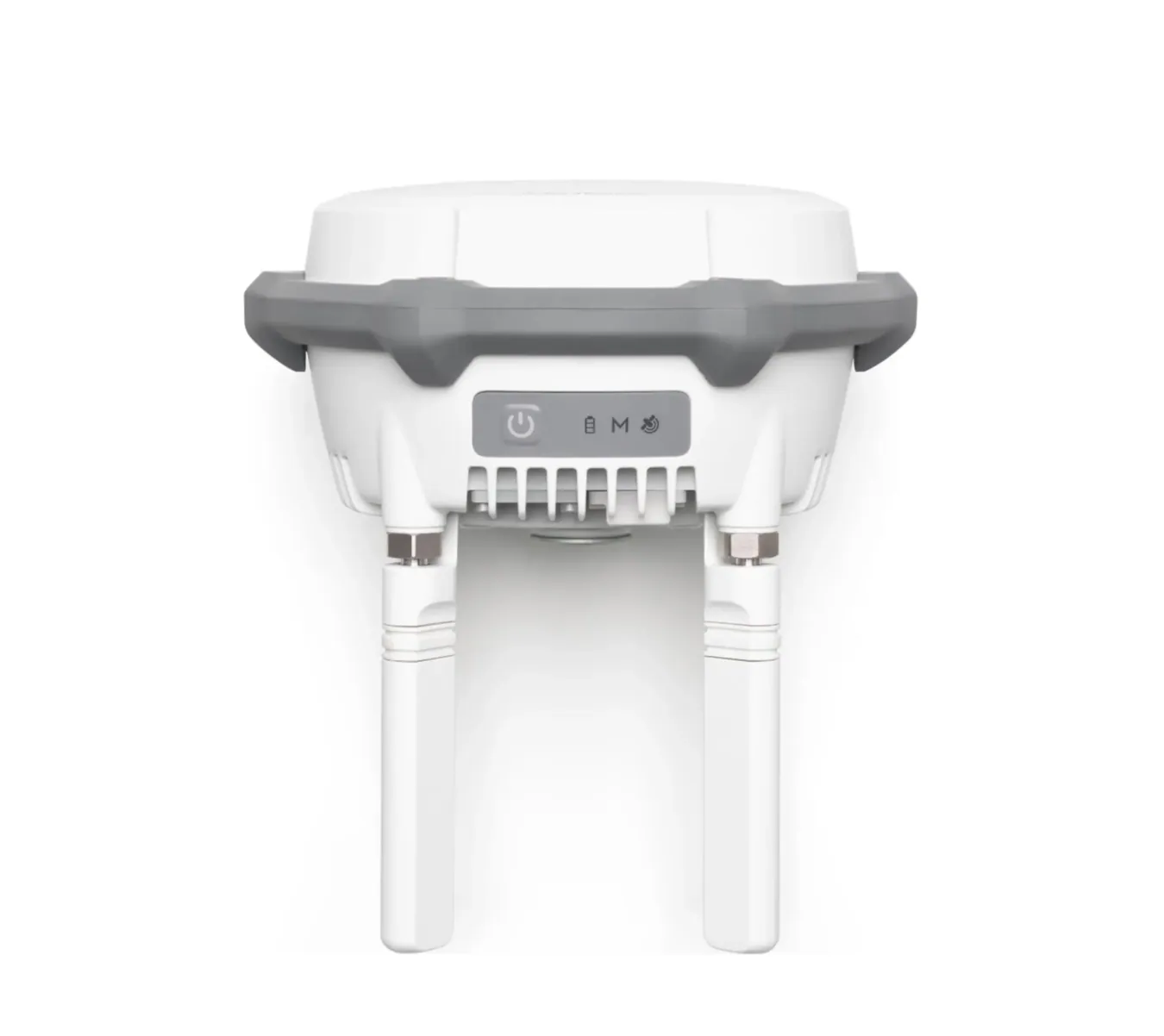
RTK corrects GPS to a few centimetres, from a D-RTK 3 AG base station at the field or a network RTK service, so lines repeat exactly. A relay keeps the signal around shelterbelts and hills. They solve different problems, so ask which your site needs.
Extra sprinklers, a second tank, filters, propellers and a spare motor: the parts that fail mid-season and are hardest to find in May.
Most Agras fleets sit from November to April. Book a firmware update, battery health check and calibration before planting so the first job isn't the test flight.
DJI's 8–12 minute charging times assume full power. Before you choose a charger, find out what each yard and field actually has: a 120 V outlet, a 240 V circuit, three-phase, or nothing. That answer decides between a wall charger and a generator.
A C10000 on a 240 V circuit charges a DB1560 in 9–12 minutes, as long as you load and launch from the yard.
A D12000iE or D14000iE generator makes every field a charging station.
Trailer rigs with a generator, water tank and battery rack, built to move between clients.
Add batteries, spare parts and a pre-season check to an aircraft you already fly.
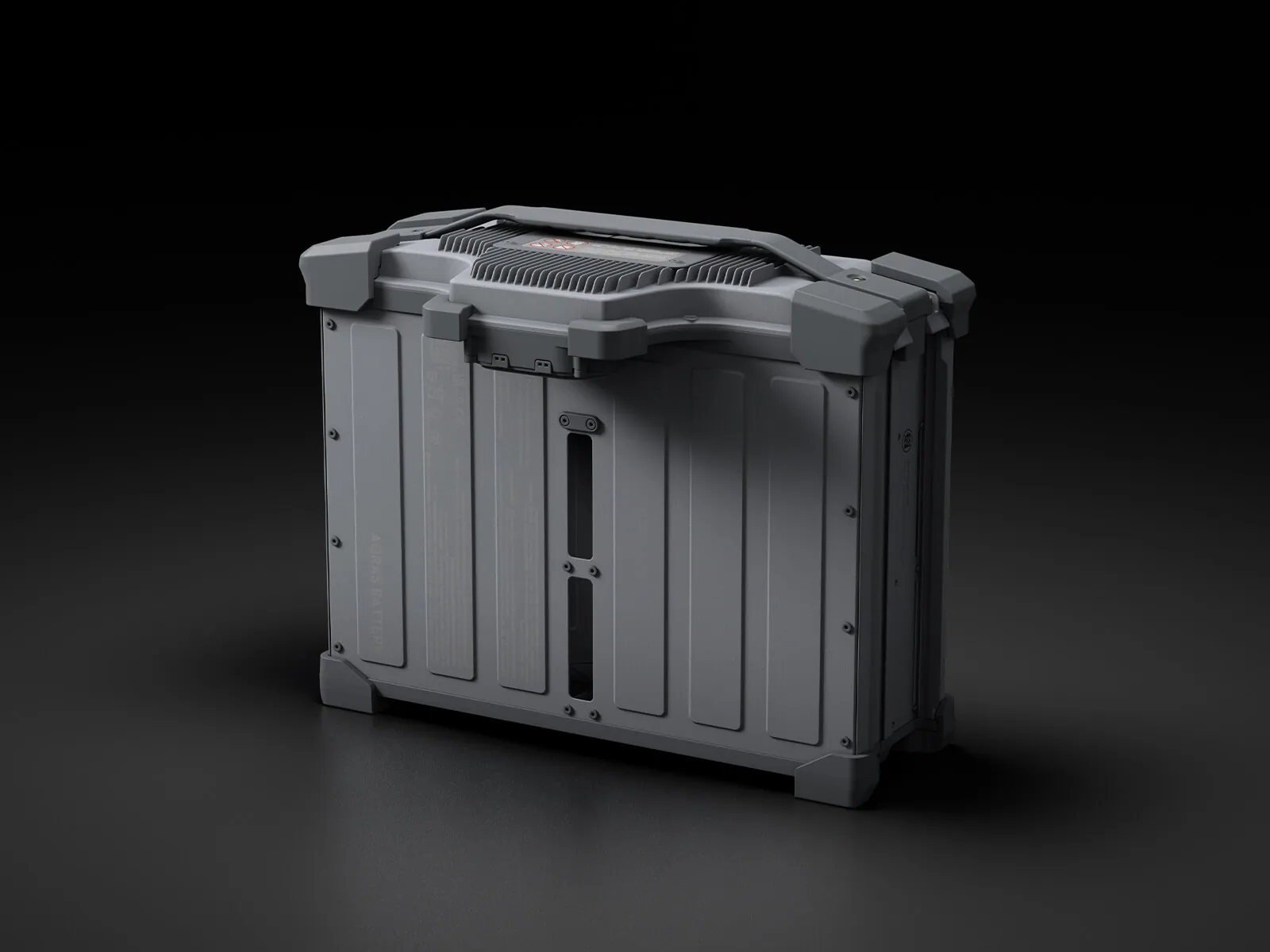
Most packages include three DB1560 batteries. The right number depends on your daily area, payload, charging power and temperature. Budget early, because batteries are a significant line, and add more once you have timed a real day. See the Agras T50 page for the full package.
9 to 12 minutes on a C10000 supplied with 220–240 V, or on a D12000iE generator. On a 120 V outlet the C10000 is limited to 3,000 W and charging takes much longer.
No. The T50 uses DB1560 batteries; the Agras T100 uses DB2160 batteries with the C12000 charger or D14000iE generator.
For a T50, only if you can't reach a 240 V circuit where you fly; for a T100, only if you can't reach three-phase power. Book a pre-season check to update chargers and batteries. Most custom operators run a generator on a trailer with the water tank so they can work any field.
Battery life is counted in charge cycles, and the DJI Agras app shows each battery's cycle count and health. Ask for the cycle count on any pre-owned battery before you buy it.
Not always. RTK gives repeatable centimetre lines for seeding, plots and orchard rows. A relay solves a different problem: signal loss behind trees or hills. Tell us about the field and we will suggest which one you need.
Ask for current stock on propellers, sprinklers, filters and motors before the season starts, because parts get scarce in spring and some ship from the distributor. Contact us with your model and serial number.
Ask us about a pre-season check before spring: firmware, battery health and sprinkler or spreader calibration. See Agras repair and support for how intake works.
The Agras T50 is DJI's mid-size agricultural drone: one aircraft that sprays from a 40 L tank or broadcasts seed and granules from a 75 L spreader. Canadian growers and custom applicators use it for fungicide passes, cover-crop interseeding and fertilizer top-dress where a ground rig can't get in or would cost an extra pass. We quote it as an itemized package and help you set it up for your fields.
Learn more →High-capacity spray, spread and lift droneThe Agras T100 is DJI's largest agricultural drone, built for operators losing time to refills: a 100 L spray tank, a 150 L spreading system with four auger sizes, and an optional lifting system. In Canada its weight is the first question. Fully loaded it can pass the 150 kg line that requires a Special Flight Operations Certificate, so we size the payload, power and crew with you before quoting.
Learn more →Heavy-lift delivery droneThe FlyCart 100 is DJI's largest delivery drone: an eight-rotor aircraft that carries cargo on a 30 m winch or a 10 m lifting cable, flies up to 12 km on two batteries and has radar, LiDAR and a built-in parachute. It moves tools, parts and supplies across terrain trucks can't cross: hills, water, bush and steep slopes. In Canada, a drone over 150 kg needs a Special Flight Operations Certificate (SFOC), so plan on roughly 60 kg of cargo, not DJI's 85 kg rating.
Learn more →Tell us your drone, the work you plan and the power at your fields. We quote a kit that keeps the drone flying instead of waiting on charge.