Fertilizer drones: spreading granular fertilizer by drone
A fertilizer drone spreads granular fertilizer on wet, soft or irregular fields and patches a ground spreader can't reach. At 100 kg/ha one T50 load covers about 0.5 ha (1.2 acres), so it is a precision tool, not a replacement for bulk spreading.
Updated
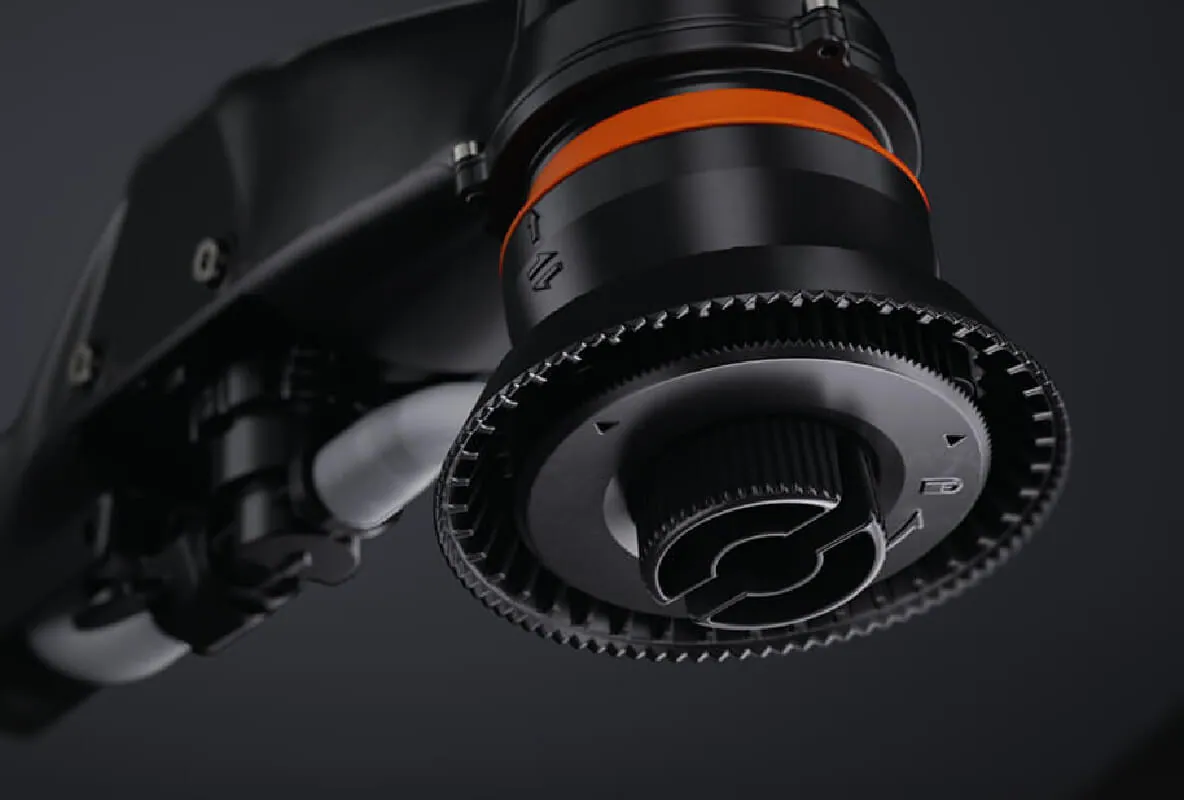
Fertilizer that can't wait for dry ground
Top-dressing nitrogen on winter wheat in spring, patching low spots, or feeding a field that is too wet to drive on all depend on timing. A ground spreader leaves tracks, and some fields can't carry one when the crop needs it.
Spread from the air, where and when it's needed
A drone such as the Agras T50 (75 L, 50 kg) or the Agras T100 (150 L, up to 100 kg) spreads granular fertilizer from the air, at a flat rate or by prescription map, without touching the field.
A precise tool, not a bulk spreader
At broadacre nitrogen rates a drone covers less than a hectare per load, so it is a precision tool: small or wet fields, variable-rate patches, edges, pasture and specialty crops. For a whole farm at full rate, a ground spreader or custom applicator is faster.
How much one load covers
Area per load is load weight divided by rate. Fertilizer rates are high, which is why a drone suits targeted work better than bulk spreading.
| Rate | T50 (50 kg load) | T100 (75 kg, stays under 150 kg) |
|---|---|---|
| 25 kg/ha (about 22 lb/ac; patches, micronutrient blends) | 2.0 ha (4.9 ac) | 3.0 ha (7.4 ac) |
| 100 kg/ha (about 89 lb/ac) | 0.5 ha (1.2 ac) | 0.75 ha (1.9 ac) |
| 150 kg/ha (about 134 lb/ac) | 0.33 ha (0.8 ac) | 0.5 ha (1.2 ac) |
Rates here are product weight, not nitrogen: 100 lb N/ac as urea is about 240 kg/ha of product, so a 50 kg T50 load covers about 0.2 ha (half an acre). A full 100 kg T100 load takes it over 150 kg, which needs a Special Flight Operations Certificate (SFOC); 75 kg keeps it under. Want it spread for you? We fly fertilizer jobs after a job assessment.
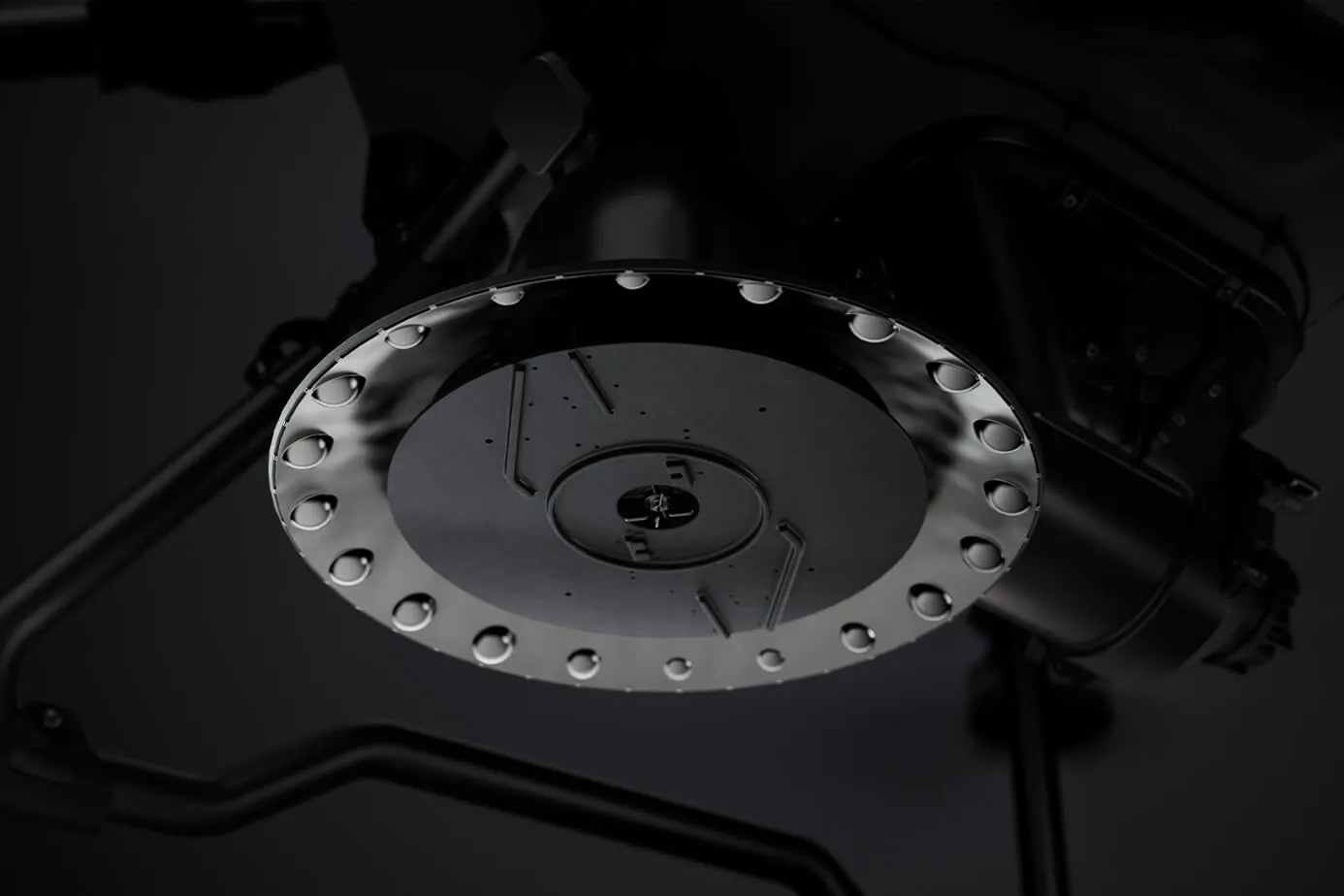
Where a fertilizer drone fits
- Wet fields and spring top-dress when a spreader would rut the field.
- Variable-rate patches from a multispectral map, not the whole field. See crop scouting and mapping.
- Small, irregular or hard-to-reach fields, edges and headlands.
- Pasture and forage, often combined with overseeding.
- Specialty crops where wheel traffic does damage.
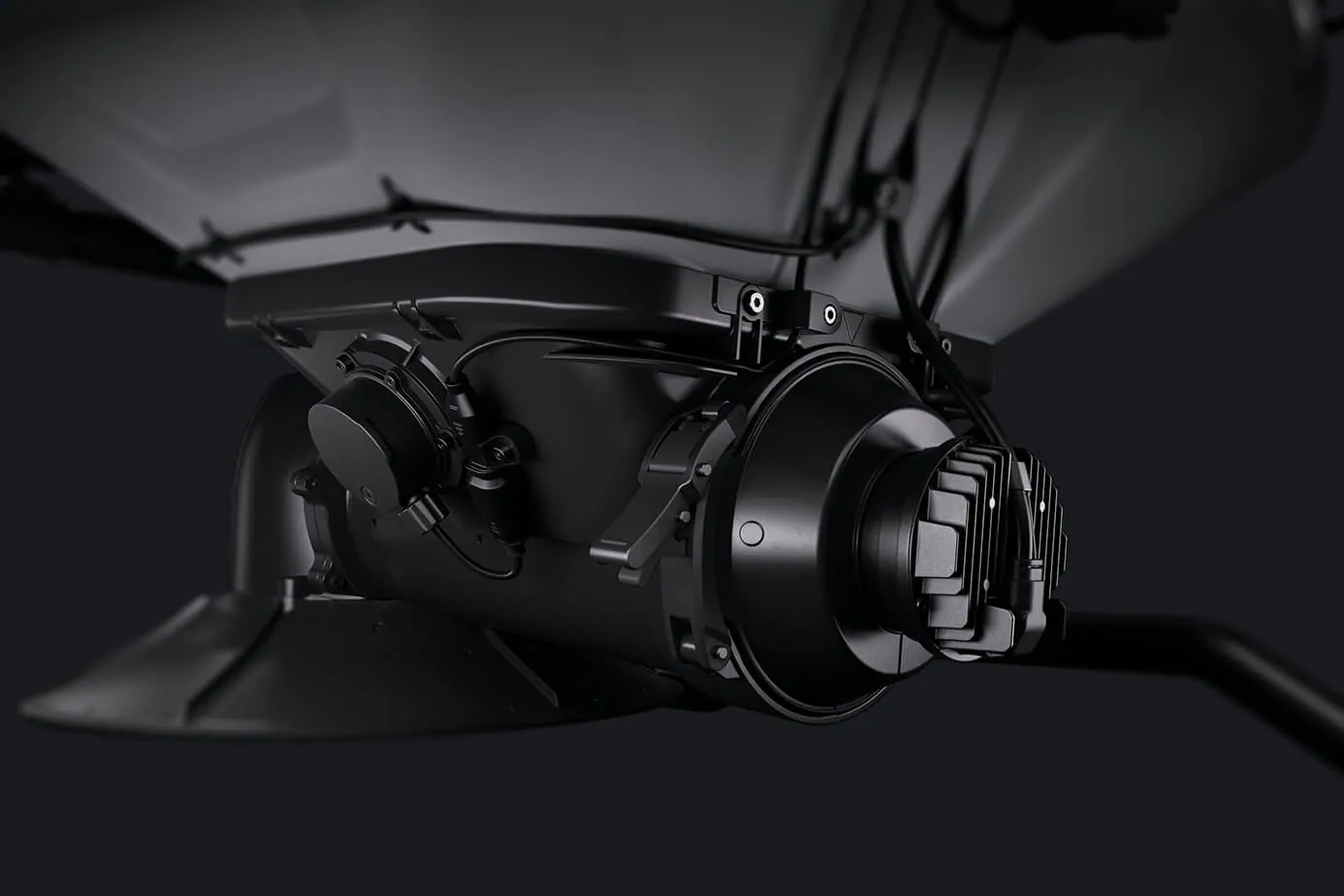
Granule size and the right auger
The T50 spreading system handles dry granules from 0.5 to 5 mm. The T100's Spreading System 4.0 uses augers matched to the material: extra-large 0.5–10 mm (fertilizer, wheat), medium 4–6 mm, large 4–10 mm, and small 0.5–4 mm. Dust, broken prills, moisture and coatings change how fertilizer flows, so test your actual product.
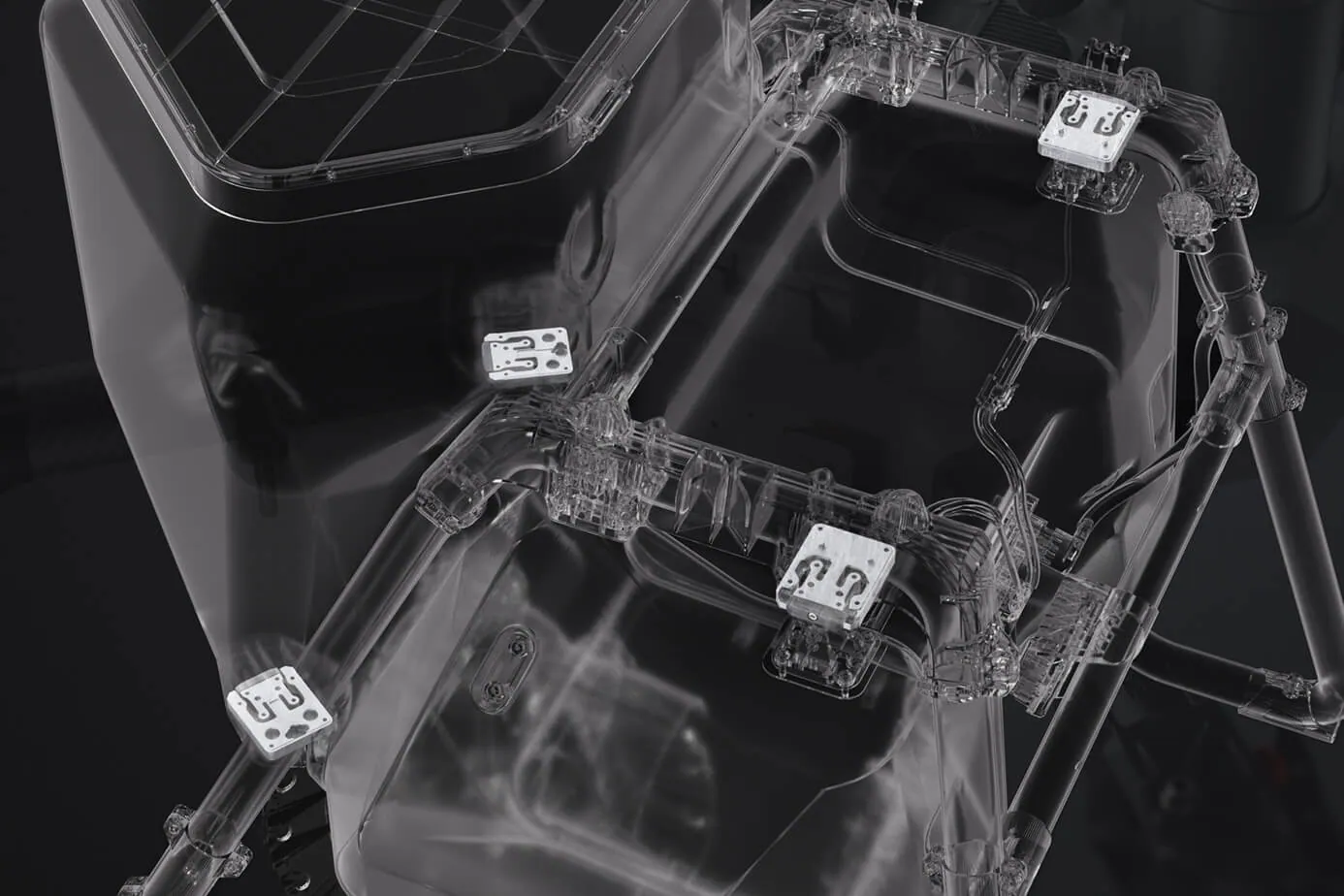
Calibrate with catch trays
- Weigh a measured run on the ground with the actual product.
- Lay out catch trays across the swath and fly a test pass.
- Weigh each tray to check the rate and evenness. DJI's T100 spread width assumes tray weights vary less than about 30% from the average; if yours vary more, narrow the swath.
- Adjust swath width or rate, and re-check when the product or humidity changes.
Rules
Fertilizer is not a pesticide, so no pesticide licence is needed to spread plain fertilizer, but a fertilizer with a herbicide or insecticide in it is a pest control product and follows the pesticide rules. The drone rules apply either way: a loaded T50 or T100 is a medium drone that needs an Advanced pilot certificate and a declared model, and above 150 kg operating weight you need an SFOC. See the regulations guide.
Planning a trial? Send us your product and rate, or read about seeding cover crops with the same spreader.
Common questions
Yes. With a spreading system, an Agras T50 carries up to 50 kg and an Agras T100 up to 100 kg of granular fertilizer, applied at a flat rate or from a prescription map.
At 100 kg/ha, a T50 load covers about 0.5 ha and a 75 kg T100 load about 0.75 ha. At lower rates for patches or micronutrients it covers far more.
No, not for whole fields at full rate. A drone is the better tool for wet fields, patches, edges and variable-rate work where wheel traffic or timing is the problem.
0.5 to 5 mm on the T50; 0.5 to 10 mm on the T100 depending on the auger fitted. Test your actual product, because dust and moisture change how it flows.
You need the Transport Canada Advanced pilot certificate, drone registration and a safety declaration. Plain fertilizer needs no pesticide licence, but blends containing a herbicide or insecticide do.
It is quoted as aircraft, spreading system, batteries and charging. See the field kit guide and financing options.
More Applications
Pasture seeding by drone: frost seeding clover into thin pasture
Frost seeding broadcasts clover onto thin pasture in March and April and lets freeze and thaw work the seed into the soil. A drone does it when the ground is too soft or steep for a spinner; one 50 kg T50 load covers about 12 acres at 9 lb per acre.
Cover crop seeding with drones
A drone with a spreading system can broadcast clover, cereal rye or ryegrass into standing corn, soybeans or winter wheat before harvest. Establishment depends on moisture; one T50 load covers about 5 ha (12 acres) of clover at 10 kg/ha.
Multispectral drones for crop scouting and mapping
A multispectral drone maps crop health with light bands the eye can't see, so you can find where a field differs, compare dates and build prescription maps. The map shows where to look; a ground check tells you why.
Want to see a drone do this job on your farm?
Tell us the crop, the job and your timing. Demonstrations use clean water and show the flight, refill and crew workflow.
Book a demo