Which job keeps coming back on my farm?
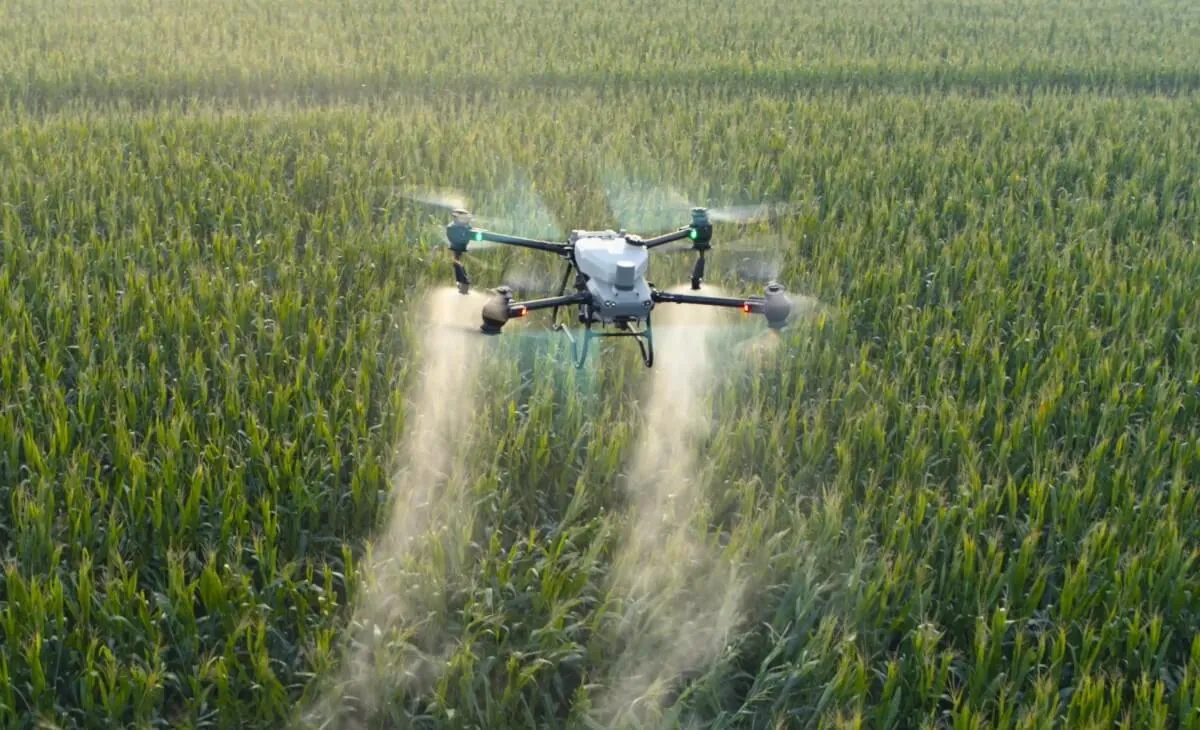
A drone purchase decision starts with the job that repeats, its field work window and the cost or capacity of the current method. SpeedyDrone starts each conversation from the work the customer is trying to do, the material, the block, the crew and the window. SpeedyDrone offers spraying, seeding and granular spreading. For the use cases, see agricultural use cases.
Name the task, the block and the window
A purchase decision starts with the job that repeats, its field work window and the cost or capacity of your current method. Field area alone cannot resolve the purchase decision, and the useful material per load plus the full cycle, including refill, battery changes, travel and crew time, set what a pass really costs. Compare owning with the actual alternatives available to the farm.
Keep mapping and application in separate columns
Mapping and application answer different questions, so they are chosen separately: the Mavic 3 Multispectral when the need is repeatable imagery and ground observations, and an Agras T50 or Agras T100 when a defined, permitted application task already exists. Pairing the two helps only when a validated map and agronomy plan change how material is applied.
Decide between a trial, a contract job and a purchase
A field trial, a mapping job, granular spreading and a proposed liquid application are reviewed on their operating requirements, provider, scope and availability before any work is agreed. Contract application is assessed first, then quoted, then dated. Use observed effective throughput and actual refill and charge cycles for the comparison.
A drone beats my ground sprayer on access
Purdue Extension guidance lists wet soil, slopes, small fields contractors turn down, tall canopies and spot spraying as fits, and notes efficiency still rises in big square fields. Purdue Extension states that typical drone carrier volume is 2 to 3 gallons per acre, and many pesticides require a minimum of 5-10 gallons per acre.
Wet ground, slopes and tall canopies
Ohio State University Extension lists where a drone sprayer is attractive: topography or soil that stops ground equipment, aircraft that are unavailable or too expensive, small irregular fields, and less risk of applicator contamination than backpack spraying.
Carrier volume sets the limit
Purdue Extension reports a typical drone carrier volume of 2 to 3 gallons per acre, while many pesticides require a minimum of 5-10 gallons per acre. Meeting a higher label volume is possible, and it reduces the acres completed per day. Those are U.S. gallons from a U.S. publication; confirm the label and the provincial rules for your product in Canada.
Check deposition with a water-only pass
SpeedyDrone checks spray deposition where the product needs to land and recommends a ground rig when it reaches the target layer or delivers the required volume more reliably. Cards placed in the upper canopy, the outer sides and the interior during a water-only pass show where material lands. The T50's rated maximum flow is 16 L/min with 2 sprinklers or 24 L/min with 4. The comparison starts with a pass the existing equipment cannot finish on time, such as cover-crop seeding before harvest or wet corners and small irregular blocks, and a documented result is needed before claiming a proven payoff or a ground-sprayer replacement. Purdue Extension states a modern self-propelled sprayer can easily cost 15 times more than a current, well-equipped spray drone, and that a drone can be a lower cost machine for small and medium farms. See the contract application page for how a pass is scoped.
Is broadcast spreading better than my drill or spreader truck?
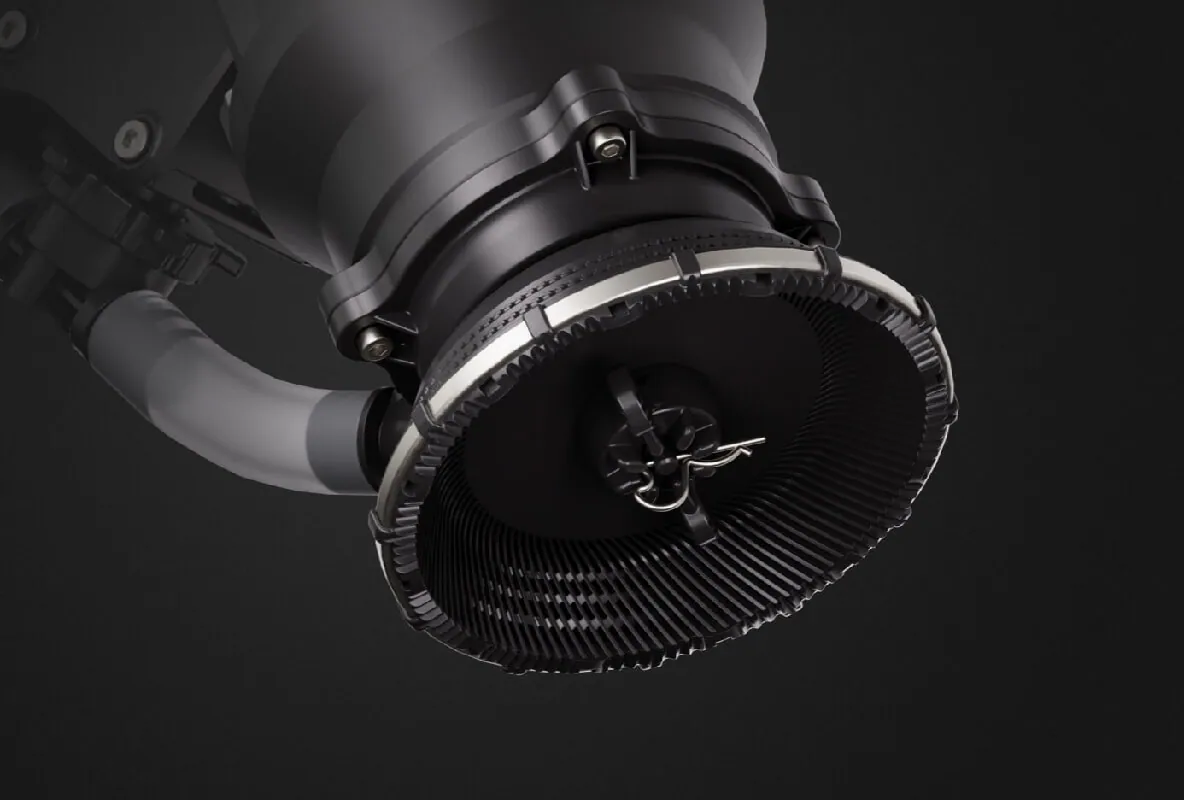
Broadcast spreading from a drone can solve an access or timing problem, and it does not place seed into soil. Farms that contact the company raise that limit themselves, asking how a drone would work seed in, and SpeedyDrone's cover-crop workflow keeps a drill or other feasible fallback where broadcast placement is unsuitable.
Seed-to-soil contact is the open question
A broadcast pass puts seed on the surface, so seed density, uniformity and seed-to-soil contact are the points a trial has to measure. Start with a strip and compare it with an agreed baseline. See cover crop seeding by drone for how a strip is laid out.
Calibrate on the spreader before the field
Broadcast spreading validates the material on the proposed spreader with trays or catch pans, weighed at candidate spacing and compared with the planned dose before a strip is flown. Granular spreading is compared with a ground machine for high rates and broad, accessible blocks. The fertilizer spreading comparison sets out that check.
Cereal rye in standing corn is variable
Reported field observations of drone-seeded cereal rye in standing grain corn used target rates of 60–80 kg/ha, and some sites needed two drone passes. Canopy interception and limited moisture made establishment less certain in those reports. Select the rate with the grower or adviser for the crop, seed and field rather than lifting a number from a trial.
Can imagery replace walking, soil tests or tissue sampling?
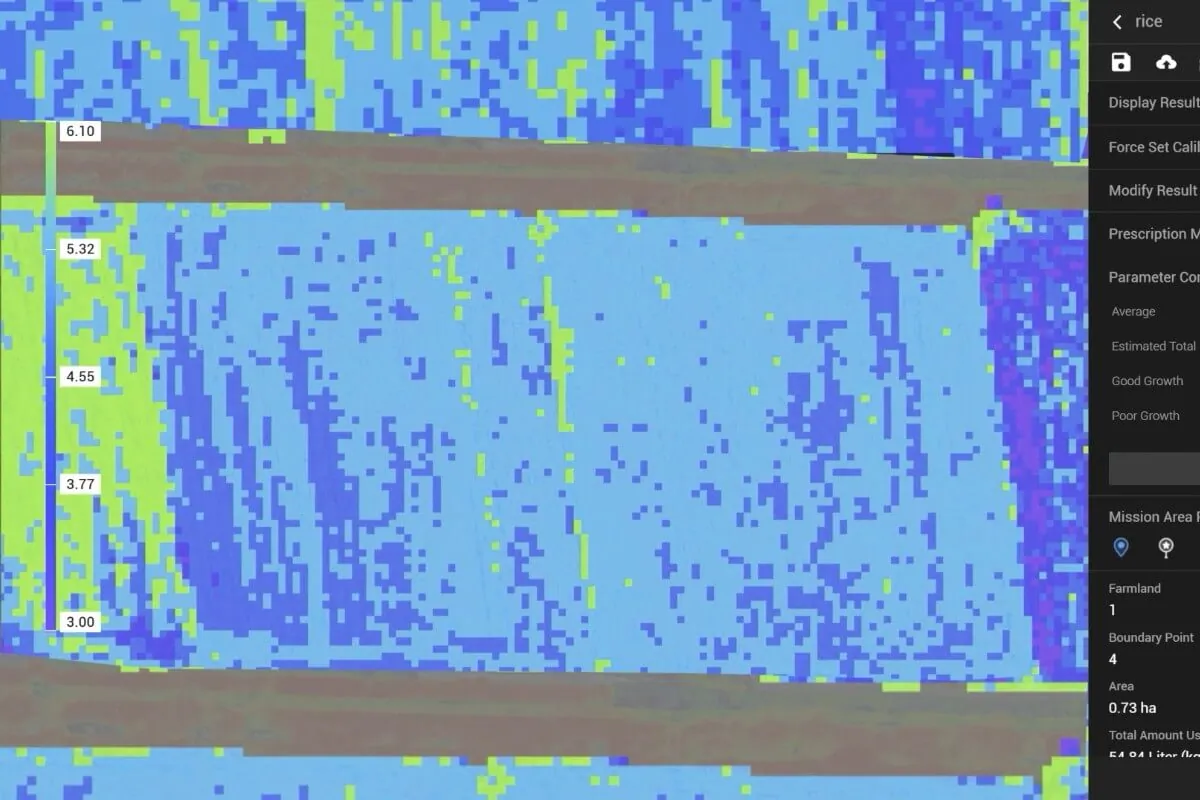
Imagery finds patterns and points a scout to the right place; it does not diagnose the cause and does not replace a tissue test. Multispectral sensors detect bands beyond red, green and blue, including near-infrared and red edge, and software turns those bands into index maps that show greenness or stress beyond what the eye sees.
NDVI and NDRE are detection tools
NDVI (Normalized Difference Vegetation Index) is an index computed from those bands that shows crop greenness or stress. NDRE (Normalized Difference Red Edge) does the same using the red edge band. A colour-coded map shows green for healthy and yellow or red for stress, and the publication cautions that a map shows where plants are unhealthy but not why.
Pair flagged zones with ground checks and samples
An index map shows spatial patterns in reflected light and guides scouting, sampling and repeat observations. Investigate those patterns alongside crop stage, field history and ground measurements before deciding whether water, nutrients, disease or another factor is the cause. Someone has to evaluate the flagged area on the ground. The crop scouting and mapping page covers where a flight fits in that sequence.
Who gets value from sensing
Purdue Extension reports that many farmers found it hard to justify the expense of imaging drones, while advanced sensors gave decision value to consultants, retailers and precision ag companies.
What is the real Canadian cost, and should I buy or hire?
The real cost is the whole workflow, not the aircraft. SpeedyDrone compares the same work, timing and acceptance standard for owning and for hiring, using actual hectares treated or mapped per pass so repeat visits and partial blocks stay visible, and the operating plan and its legal path have to work either way.
What to add to an ownership estimate
An ownership estimate adds annualized equipment and field kit, training, insurance, licences, software, storage and maintenance, then pilot and crew time, travel, power, consumables, calibration, weather rework and data processing per job. Field kits, charging gear and a generator belong inside the number. Extension figures in U.S. dollars show method, not a Canadian price.
What to ask a contractor for
A contracted job needs a written scope covering mobilization, minimum charge, unit rate, what materials or data processing are included, weather terms and deliverables. Compare net costs for equal outputs on the same block and window. The buy or hire comparison keeps both columns on the same job.
Measure throughput before any break-even
Observed effective throughput, actual refill and charge cycles and the field boundary decide what a crew can finish inside a window. The full cycle includes refill, battery changes, travel and crew time, and no spreadsheet fixes a number you have not seen. Run the drone spraying cost calculator after the first measured job, not before it.
Where does SpeedyDrone fit, and who should look elsewhere?
The service fits a defined application, scouting or trial job where the operating plan, support and legal path work, and it is the wrong starting point when a ground rig or crewed aircraft already finishes the job. SpeedyDrone offers contract spraying, seeding and granular spreading in southern Ontario, DJI Agras equipment as a DJI Authorized Dealer, and training booked with partner AlteX droneHUB in King, Ontario.
How a contract job starts
Contract application is assessed first, then quoted, then dated, and materials, lodging and extras are listed separately. Pesticide jobs need the product name, PCP number and current label before anything is booked. Check the drone spraying rules in Canada before a liquid pass is planned.
Mapping and application stay separate
The Mavic 3M captures repeatable imagery, while the T50 or T100 delivers compatible material under an eligible operating plan. Pairing the aircraft helps when a validated map and agronomy plan improve how material is applied, not because both happen to be on the same trailer. A loaded aircraft above 150 kg, such as the T100, needs an SFOC.
Who should look elsewhere
- Choose your own ground rig when it reaches the target layer or delivers the required volume more reliably than a drone can.
- Get a plane or helicopter quote when a large contiguous block, high carrier volume or a tight deadline exceeds the drone crew's planned capacity.
- Plan on a drill when seed has to be worked into the soil, and on tissue tests when you need the cause of a crop problem.
- Start with a contract application or drone training before considering ownership.
What did other buyers ask before deciding?
Buyers who contact SpeedyDrone about this decision raise the same comparisons, and those questions make a usable test. Across 6 buyer conversations, they wanted to know which crops and canopies a drone covers, whether it beats their current equipment, whether it fits small or organic handwork, what it cannot do, and whether a trial has evidence behind it.
Questions from an existing sprayer owner
A farm that already owns a sprayer asks SpeedyDrone what would change, and the honest answer is a comparison on the same crop, treated area, application rate, field conditions and window. A documented result is needed before anyone claims a proven payoff or a ground-sprayer replacement. Broadcast seeding is cheaper unless the trial is free, so cost the strip and the baseline together.
Questions from small and organic operations
Buyers want to know whether a drone fits the scale and style of their operation, including small or organic handwork systems. Field area alone cannot answer that: the repeating job, the work window and what the current method costs or can carry decide it. A scoped trial on a few strips is a normal first step for that reader.
Questions about evidence and protocols
Buyers want protocols and evidence before they will try a trial. A fair trial records weather, crop stage, material, flown area, loading, kilograms delivered and observed exceptions, then compares emergence and uniformity against an agreed baseline at an agreed crop stage. The frequently asked questions carry the same standard.
The contact page asks for the crop, the material, the field and the work window. Buyers ask SpeedyDrone whether a drone fits the scale and style of their operation, including small or organic handwork systems. SpeedyDrone reviews an inquiry and confirms operating requirements, provider, scope and availability before any work is agreed.
Sources
Frequently Asked Questions
Is a drone worth it compared with my ground sprayer, broadcast spreading or field sampling?
A drone purchase decision starts with the job that repeats, the field work window and the cost or capacity of your current method. Field area alone cannot resolve the purchase decision. Compare owning with the actual alternatives available to the farm. A smaller farm or occasional use can still fit scouting or a properly scoped trial.
Which crops and canopies has SpeedyDrone sprayed with good coverage, and when does SpeedyDrone recommend a ground rig or plane instead?
SpeedyDrone checks deposition where the product needs to land rather than answering from a crop list. Cards in the upper canopy, outer sides and interior during a water-only pass show where material lands, and a ground rig is recommended when it reaches the target layer or volume more reliably.
How much acreage do I need to justify an Agras?
No acreage figure settles that question. A buyer should start with the job that repeats, the field work window and the cost or capacity of the current method, then estimate useful material per load and measure the full cycle including refill, battery changes, travel and crew time.
Can a spray drone treat wet fields and avoid soil compaction?
A drone can spray ground that is too wet for ground equipment, without wheel-track compaction, and that is one of the fits extension guidance lists. Ohio State University Extension lists soil or topography that stops ground equipment as a reason a drone is attractive. SpeedyDrone confirms operating requirements, provider, scope and availability before any work is agreed.
Is a spray drone cheaper than a self-propelled sprayer once all the support gear is added?
A spray drone can be a lower cost machine for small and medium farms, and a modern self-propelled sprayer can cost 15 times more than a current, well-equipped spray drone. For an ownership estimate, add annualized equipment and field kit, training, insurance, licences, software, storage and maintenance.
Can a Mavic 3M map inform an Agras mission?
A Mavic 3M map can inform an Agras mission when a validated map and agronomy plan improve the way material is applied. The index map shows spatial patterns and guides scouting and sampling, while ground observations and field history decide whether the pattern is water, nutrients, disease or another factor.