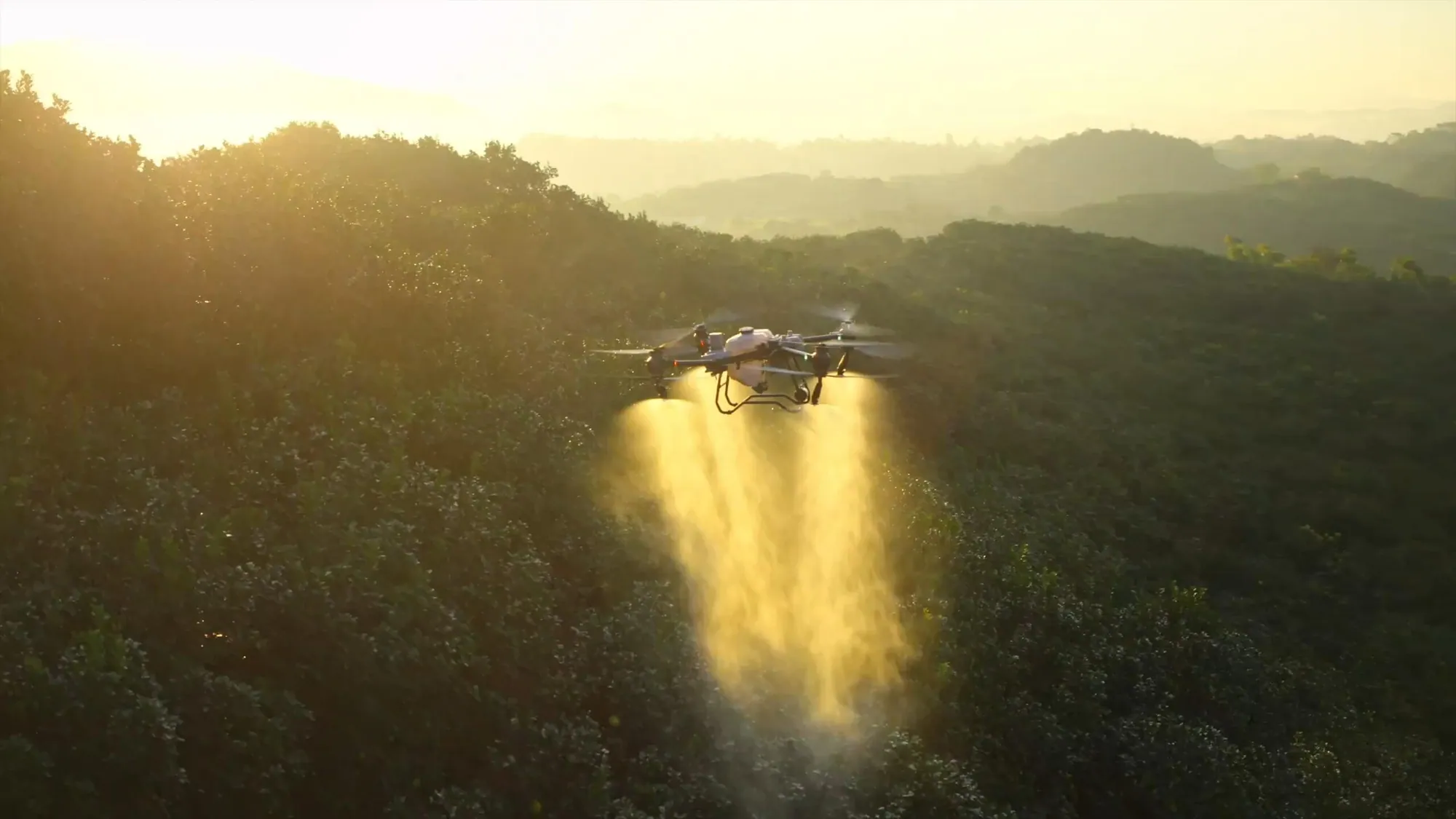
The best agriculture drone is the one that fits your job, Canadian weight and label checks, crew, power and field window.
The best agriculture drone for a Canadian farm depends on the work. An Agras T50 or Agras T100 suits a defined spraying or spreading task, while a Mavic 3M suits crop mapping. Check the loaded operating weight, product label, crew, power, field window and regulatory path before buying, comparing a kit or arranging a flown job.
Which job do I need the drone to do?
An agricultural drone choice should start with the job: an application aircraft handles spray or dry material, while a mapping aircraft captures field data. A single farm, research team or new custom applicator can use either path. Define the permitted task, crew plan and data or application workflow before comparing agricultural drone options.
Spraying and spreading
Drone application aircraft handle liquid spray or dry material and need material handling, power, calibration and a workable crew plan. Application work also depends on the field, site, pilot and airspace conditions. A model choice is incomplete until the supporting components and operating route are confirmed.
Mapping and scouting
Drone mapping aircraft capture field data for scouting, sampling and repeat observations rather than spraying or spreading. A data capture and processing plan gives imagery a place in the work, while ground observations add context. Mapping and application can connect only when the prescription, supported file format, units, sign-off and post-job validation are handled.
A single farm, research institution or new custom applicator can start with a defined drone task. The choice can be made around the work, not an assumed scale of operation. Confirm the equipment and operating path before deciding to own the aircraft or arrange the work.
Which Agras fits spraying or spreading?
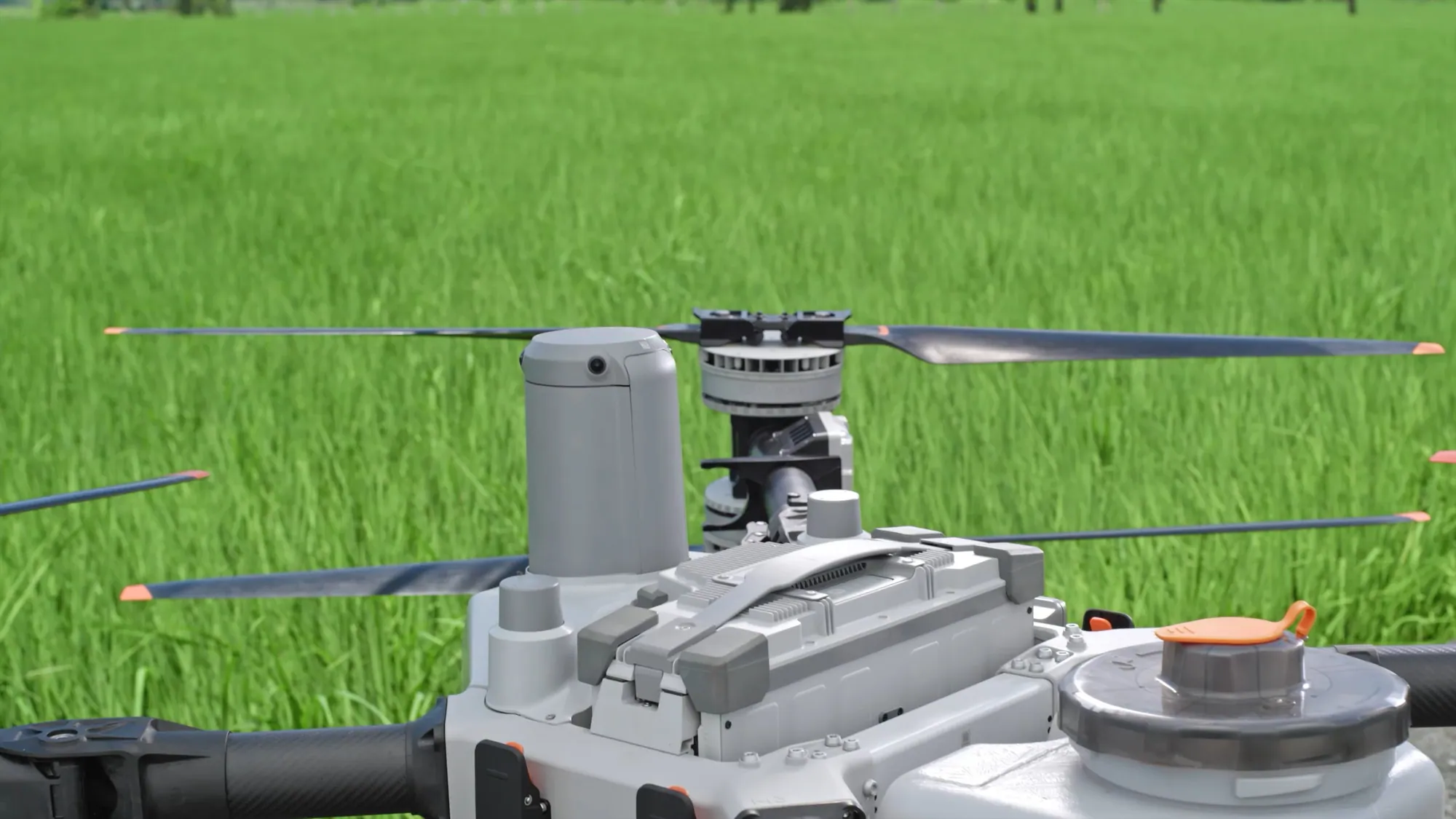
Agras T50 and Agras T100 are application aircraft for defined spraying or spreading work. Agras T50 fits when its listed system matches the material and field logistics. Agras T100 merits review when refill capacity matters, but the loaded build, charging and handling needs still decide whether it fits. Neither model alone establishes lawful use or field performance.
| Aircraft | Liquid system | Dry spreading | Reference takeoff weight |
|---|---|---|---|
| Agras T50 | 40 L nominal; 40 kg maximum. | 75 L hopper; 50 kg maximum; 0.5–5 mm dry granules. | 92 kg spray; 103 kg spread. |
| Agras T100 | 100 L nominal; 100 kg maximum in the standard liquid system. | 150 L hopper; 100 kg maximum; 0.5–10 mm with the listed extra large auger. | 175 kg or 177 kg, depending on configuration. |
Agras T50 build
The Agras T50 reference configuration must be checked with its batteries, attachments and material. The listed liquid and spreading limits describe the aircraft setup, not a promised field rate, accuracy or throughput. Confirm the hardware, operating route and job conditions before treating the specification as a purchase reason.
Agras T100 build
The Agras T100 becomes a regulatory question when the loaded build is above 150 kg actual operating weight, because that operation requires an SFOC-RPAS. A configuration at or below that line still needs an eligible category, site, material and operation. Confirm the actual build and required declaration with Transport Canada.
Agras manufacturer reference limits are not field performance. Volumes, payloads and flows do not establish lawful material use, field rate, accuracy or throughput. Use the Agras T50 details, T100 weight guide and Canadian spraying rules together when checking the build and operating route.
What can the Mavic 3M tell me about a crop?
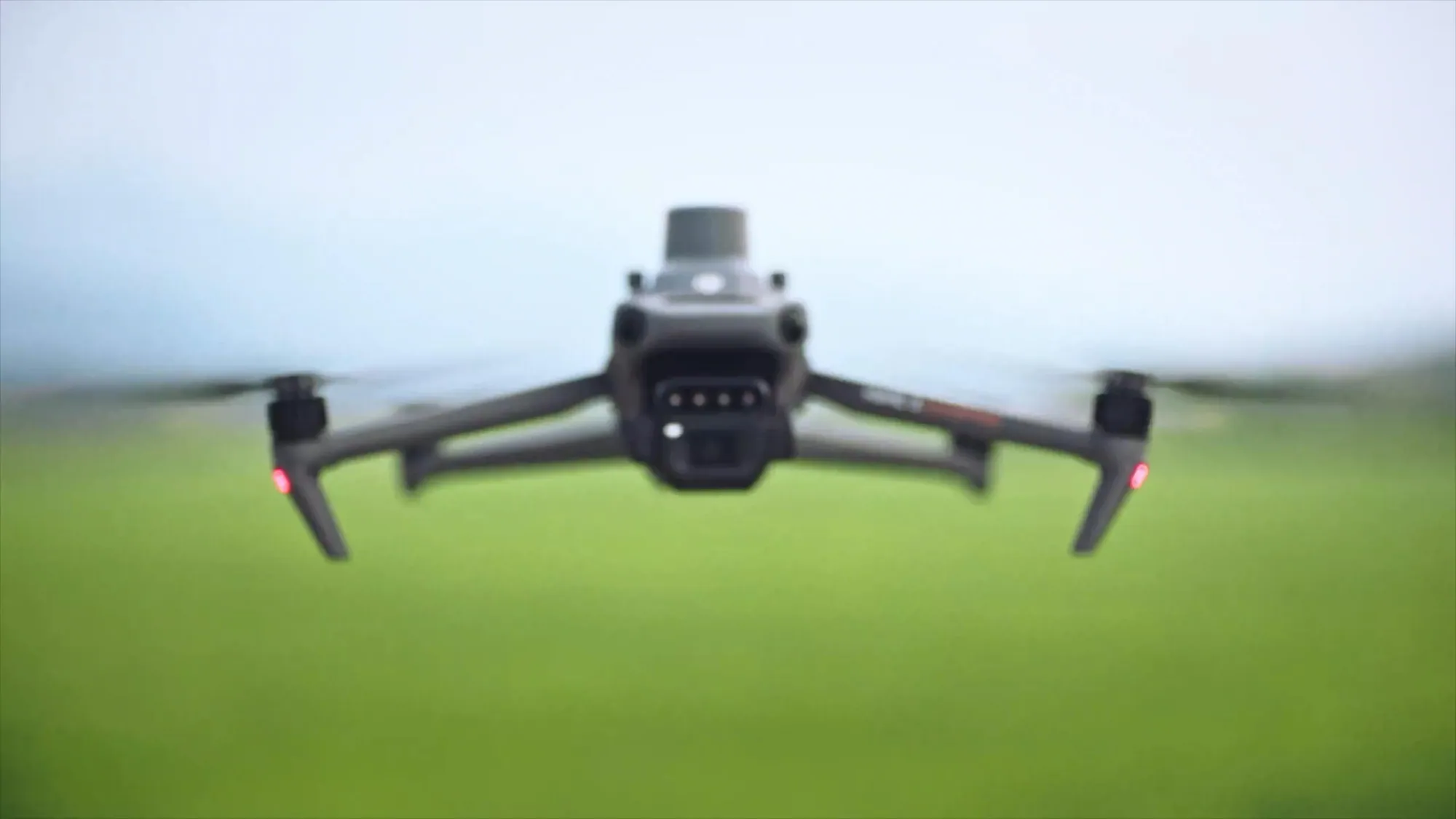
Mavic 3 Multispectral is the mapping aircraft in this comparison. Choose it when repeatable imagery and ground observations can help you understand a field. The aircraft does not spray or spread. Plan data capture, processing and ground checks before using findings to guide scouting, sampling or repeat observations.
What a vegetation index map shows
A vegetation index map for the Mavic 3M shows spatial patterns in reflected light. A pattern can guide scouting, sampling and repeat observations, but the map is not a crop diagnosis. Investigate patterns with crop stage, field history and ground measurements before deciding whether water, nutrients, disease or another factor is involved.
What the Mavic 3M records
The Mavic 3M reference lists a 20 MP effective RGB camera with a mechanical shutter and four 5 MP effective multispectral bands: green, red, red edge and near infrared. The reference describes 43 minutes of flight in a windless test flown to 0% battery. Field conditions, flight reserves and a realistic turnaround belong in planning. The aircraft is not waterproof, so plan weather and recovery.
How mapping connects to application
The Mavic 3M mapping workflow depends on processing and ground observations that give imagery context. Keep a map separate from a pesticide decision. A prescription needs sign-off, a supported file format, units and post-job validation when mapping connects to application. The crop scouting and mapping guide can help plan the workflow.
What do I need in the field kit?
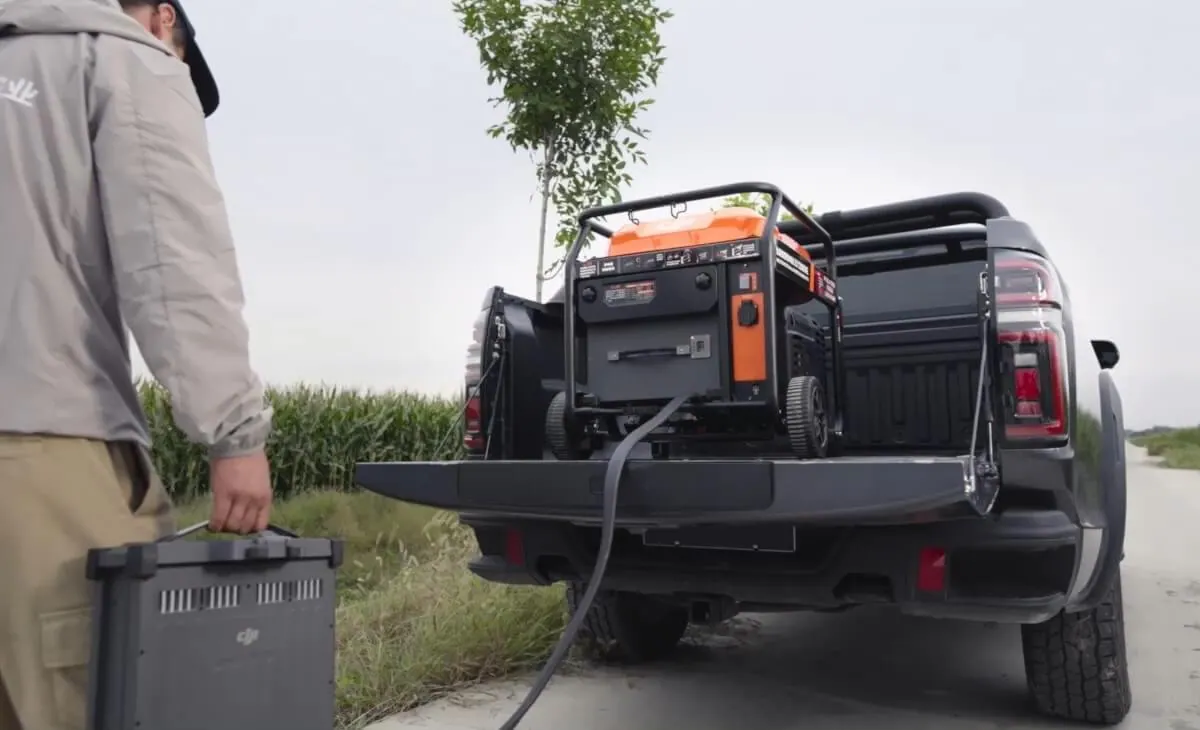
A field kit for an agricultural drone must match the aircraft, material and work plan. Batteries, charging, transport, refill, cleaning and safe handling all affect whether the planned job can be operated. A product specification, flight certificate or pesticide registration alone does not clear a field operation.
Batteries and charging
A drone battery and charging plan starts with observed cycle times. Check compatible charger input, generators or mains, safe cable handling, refill capacity and water where relevant. Transport and restraint, loading ergonomics, spares and cleaning belong in the field plan. The batteries, chargers and field kit guide covers these Agras field kit questions.
Package contents
Drone package contents depend on the selected aircraft, package and configuration. Batteries, the spreader and charging equipment may not be part of every build. Confirm each item's inclusion and condition before treating the kit as complete. The chosen spray or spreading setup determines which supporting components need to be present.
Labels and operating weight
Pesticide labels decide whether drone use is eligible. Health Canada permits RPAS application where the label includes applicable RPAS directions or permits aerial application without excluding RPAS, subject to all applicable requirements. A label with no aerial directions, or with a prohibition on aerial or RPAS use, rules out drone application. Read the current label for the exact product.
A drone's loaded operating weight is a separate regulatory check. An operation above 150 kg actual operating weight requires an SFOC-RPAS. Confirm the category and required declaration with Transport Canada, and confirm pesticide requirements with Health Canada and your province.
How should I compare a drone on my field?
A field comparison should measure the full task, not repeat a tank-size claim. Define the task area, material and target rate, then check the product, site, pilot and airspace conditions in the Canadian spraying rules. Weigh the actual build and measure a complete cycle before estimating time or capacity.
Measure the complete cycle
- The job definition records the task area, material and target rate, then checks the required product, site, pilot and airspace conditions.
- The equipment build includes batteries, attachments and material when its actual weight is checked against manufacturer guidance and the lawful operating route.
- The measured cycle includes repositioning, filling, flight, return, battery handling, recharge and cooling, with room for moves, blocks, wind, replenishment, maintenance and a weather reserve.
Keep mapping and application separate
A drone mapping workflow needs data capture and processing; an application workflow needs material handling, calibration and crew planning. A comparison that leaves out either workflow is incomplete. A prescription connected to application needs sign-off, a supported file format, units and post-job validation.
Compare equal work
A drone field comparison's measured work window and crew capacity belong beside load, power and handling requirements. For a defined granular nutrient pass, a ground machine can remain the better tool for high rates and broad, accessible blocks. The agricultural drone capabilities page provides model context, while the field comparison uses equal work and the same acceptance standard.
Should I buy a drone or hire the job?
A buy-or-hire decision depends on repeated work, the field window and the same output standard. Ownership can fit when a farm or team can support the equipment, crew, power, training, licences, insurance, software, storage and maintenance. Contracting can fit when a defined job is easier to scope than to operate.
When ownership fits
Drone ownership starts with the job that repeats, the current method and the field work window. Estimate useful material per load, then measure the full cycle, including refill, battery changes, travel and crew time. Field area alone cannot resolve the purchase decision.
When a flown job fits
A custom application job with a drone starts with a job assessment and can be flown by pilots for spraying, seeding, spreading or mapping. The assessment checks the product label, field and obstacles, provincial licence and any permit, airspace, timing and weather. The custom application service gives a path for a defined job when the measured ownership cycle does not fit.
Compare equal options
A farm or individual weighing a drone can choose to buy a suitable aircraft, arrange a custom application job, or start with scouting or a properly scoped trial. Ownership planning includes annualized equipment and field kit, training, insurance, licences, software, storage and maintenance. Job planning includes pilot and crew time, travel, power, consumables, calibration, weather rework and data processing. Contracted work includes mobilization, materials or data processing, weather terms and deliverables; compare equal outputs.
To buy a drone or hire the job, describe the crop, material, target rate, field and work window on the contact page. Request a written, itemised quote, or ask about having the job flown for you.
Sources
Frequently Asked Questions
What is the best agricultural drone for a small farm?
The best agricultural drone for a small farm depends on the job, not farm size. An Agras T50 or T100 fits a defined spraying or spreading task, while a Mavic 3M fits mapping. A single farm or individual can choose ownership, a scoped trial or a flown custom application job.
Does the DJI Agras T100 need an SFOC in Canada?
The DJI Agras T100 needs an SFOC-RPAS in Canada when its actual loaded operating weight is more than 150 kg. The T100 reference weights can be 175 kg or 177 kg, depending on configuration. Confirm the aircraft category and required declaration with Transport Canada.
Can a mapping drone like the Mavic 3M spray or spread?
A mapping drone like the Mavic 3M cannot spray or spread. The Mavic 3M is the mapping aircraft in this comparison, while Agras aircraft handle defined liquid or dry material applications. Mapping can connect to application only through a supported prescription, sign-off, file format, units and post-job validation.
Does a multispectral map tell me what is wrong with my crop?
A multispectral map does not tell you by itself what is wrong with a crop. A vegetation index map shows spatial patterns in reflected light and can guide scouting, sampling and repeat observations. Crop stage, field history and ground measurements are needed before deciding whether water, nutrients, disease or another factor is involved.
Are batteries and a charger included with an Agras drone?
Batteries and a charger for an Agras drone depend on the selected package and configuration. Confirm whether batteries, the charger, the spreader and charging equipment are included, and check each item's condition before treating the field kit as complete. The aircraft and planned spray or spreading setup determine the supporting components.
Can any pesticide be applied by drone in Canada?
Pesticide application by drone in Canada depends on the current product label and all applicable requirements. Health Canada permits RPAS application where the label includes applicable RPAS directions or permits aerial application without excluding RPAS. A label with no aerial directions, or with a prohibition on aerial or RPAS use, rules out drone application; confirm provincial requirements.